
Structural Coatings Gain Momentum Across Modern Industrial Sectors
Modern Industrial
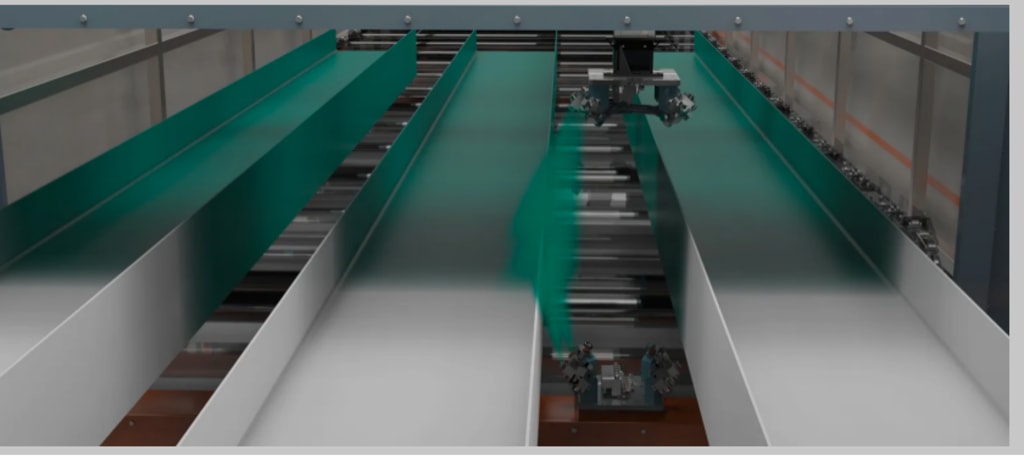
How Advanced Surface Protection Technologies Are Reshaping Industrial Infrastructure
Industrial facilities face constant challenges from corrosion, moisture, chemicals, and environmental exposure. These factors can shorten equipment life and increase maintenance costs. Recent developments in protective materials are helping industries address these concerns more effectively.
Across manufacturing, construction, energy, and transportation sectors, advanced surface protection systems are becoming a major focus. Industry experts report growing investment in solutions that improve durability while reducing operational downtime.
One technology attracting attention is the use of structural coating systems. These coatings provide a protective barrier for critical assets exposed to demanding environments.
Growing Demand for Long-Term Asset Protection
Industrial infrastructure represents a significant financial investment. Facilities often operate under harsh conditions for many years. Equipment failures can disrupt production schedules and increase expenses.
As a result, organizations are seeking methods to extend service life. Protective coating technologies are emerging as an important part of maintenance planning.
Recent industry reports highlight increasing demand for corrosion-resistant solutions. Companies are placing greater emphasis on preventive maintenance rather than reactive repairs.
This shift supports both operational efficiency and sustainability goals.
Why Structural Protection Matters
Steel remains one of the most widely used industrial materials. It offers strength and versatility. However, exposure to moisture and chemicals can lead to deterioration.
Protective surface systems help reduce these risks. A properly selected structural coating can shield metal surfaces from environmental damage.
Many industrial environments involve exposure to salt, humidity, temperature fluctuations, and chemical substances. These factors accelerate wear when surfaces remain unprotected.
Protective barriers help maintain structural integrity over time.
Applications in Construction Projects
Construction projects increasingly rely on advanced coating technologies. Bridges, commercial buildings, warehouses, and industrial plants all require durable protection.
Modern infrastructure often faces extreme weather conditions. Protective coatings help resist corrosion and surface degradation.
Project developers also recognize the economic benefits of extending maintenance intervals. Reduced repair requirements can lower overall lifecycle costs.
Many public infrastructure projects now include protective surface specifications during the planning phase.
Supporting Energy Industry Operations
Energy facilities operate in some of the toughest environments. Offshore platforms, refineries, and power plants face continuous exposure to challenging conditions.
Protective coating systems play a key role in safeguarding critical assets. They help reduce corrosion-related failures and improve operational reliability.
The renewable energy sector is also embracing these technologies. Wind turbines and solar infrastructure require durable protection against environmental stress.
Industry analysts expect continued growth in coating adoption throughout energy markets.
Manufacturing Facilities Embrace Innovation
Manufacturing plants depend on reliable equipment performance. Unexpected failures can interrupt production and affect profitability.
Protective coatings contribute to equipment longevity. They help shield machinery from abrasion, chemicals, and moisture exposure.
Many facilities now integrate advanced surface protection into maintenance programs. This proactive approach helps reduce downtime and improve asset management.
Technological improvements have expanded coating performance capabilities. New formulations offer stronger adhesion and greater durability.
Transportation Infrastructure Benefits
Transportation networks depend on durable structures and equipment. Rail systems, ports, airports, and highways all require ongoing protection.
Environmental exposure can significantly affect infrastructure performance. Corrosion remains a major concern for transportation authorities worldwide.Advanced coating technologies help preserve structural components. They support safer operations and reduce long-term maintenance expenses.
Many modernization initiatives include upgraded protective systems as part of broader infrastructure improvements.
Environmental Considerations Drive Development
Environmental regulations continue to influence industrial practices. Manufacturers are responding with more sustainable coating technologies.
Research efforts focus on reducing emissions and improving environmental performance. Water-based formulations have gained attention in many markets.
Companies also seek products with longer service lives. Durable coatings reduce replacement frequency and support resource conservation.
These developments align with broader sustainability objectives across industries.
Advances in Material Science
Material science continues to transform protective coating technology. Researchers are developing formulations that deliver enhanced performance characteristics.
Modern products often provide improved resistance to chemicals, ultraviolet exposure, and mechanical wear.
Nanotechnology is another area receiving attention. Scientists are exploring methods to improve protective properties at microscopic levels.
These innovations may contribute to stronger and more efficient protective systems in the future.
Digital Technologies Improve Application Quality
Digital transformation is influencing coating operations. Inspection tools and monitoring systems help ensure consistent application quality.
Advanced sensors can identify potential issues before major damage occurs. This allows maintenance teams to respond more effectively.
Data-driven asset management is becoming increasingly common. Organizations use predictive maintenance strategies to optimize protection programs.
The combination of digital tools and advanced coatings creates new opportunities for operational improvement.
Workforce Training Remains Important
Successful coating performance depends on proper application techniques. Skilled professionals play a critical role throughout the process.
Training programs help workers understand surface preparation requirements. Proper preparation often determines long-term coating effectiveness.
Industry organizations continue promoting best practices and certification programs. These efforts support quality standards across various sectors.
As technologies evolve, workforce development remains an important priority.
Economic Benefits Extend Beyond Protection
Protective coating systems provide advantages beyond corrosion resistance. They can contribute to lower maintenance costs and improved operational efficiency.
Organizations increasingly evaluate total lifecycle value rather than initial installation expenses.
Long-lasting protective solutions may reduce repair frequency and equipment replacement needs. This can generate measurable financial benefits over time.
Decision-makers are placing greater emphasis on asset preservation strategies.
Future Outlook for Industrial Coatings
Industry observers expect continued growth in protective surface technologies. Infrastructure expansion and modernization projects are creating new opportunities.
Climate challenges are also increasing demand for durable protective solutions. Assets must withstand more demanding environmental conditions.
Innovation remains a central driver of market development. Researchers continue exploring new materials and application methods.
The adoption of structural coating technologies is likely to expand as industries pursue greater reliability and sustainability.
Conclusion
Industrial organizations face increasing pressure to protect valuable infrastructure. Corrosion, environmental exposure, and operational wear remain significant challenges.
Advanced protective technologies offer practical solutions for extending asset life and improving performance. From construction projects to energy facilities, these systems support long-term operational goals.
As material science advances, coating technologies continue evolving. New formulations deliver stronger protection and improved durability.
The growing role of structural coating solutions reflects a broader commitment to efficiency, sustainability, and infrastructure resilience. For industries preparing for future challenges, surface protection remains an essential part of modern asset management.
About the Creator
Emily Carter
Emily Carter is a freelance writer focused on SEO, digital marketing, content publishing, and online business trends. Her articles provide insights into search optimization, content strategy, and the evolving world of digital media.
Enjoyed the story? Support the Creator.
Subscribe for free to receive all their stories in your feed.
Comments
There are no comments for this story
Be the first to respond and start the conversation.