
Smoking Pot Not Linked With COPD: A Comprehensive Analysis
Unveiling the Truth: A Comprehensive Analysis Reveals No Link Between Smoking Pot and COPD
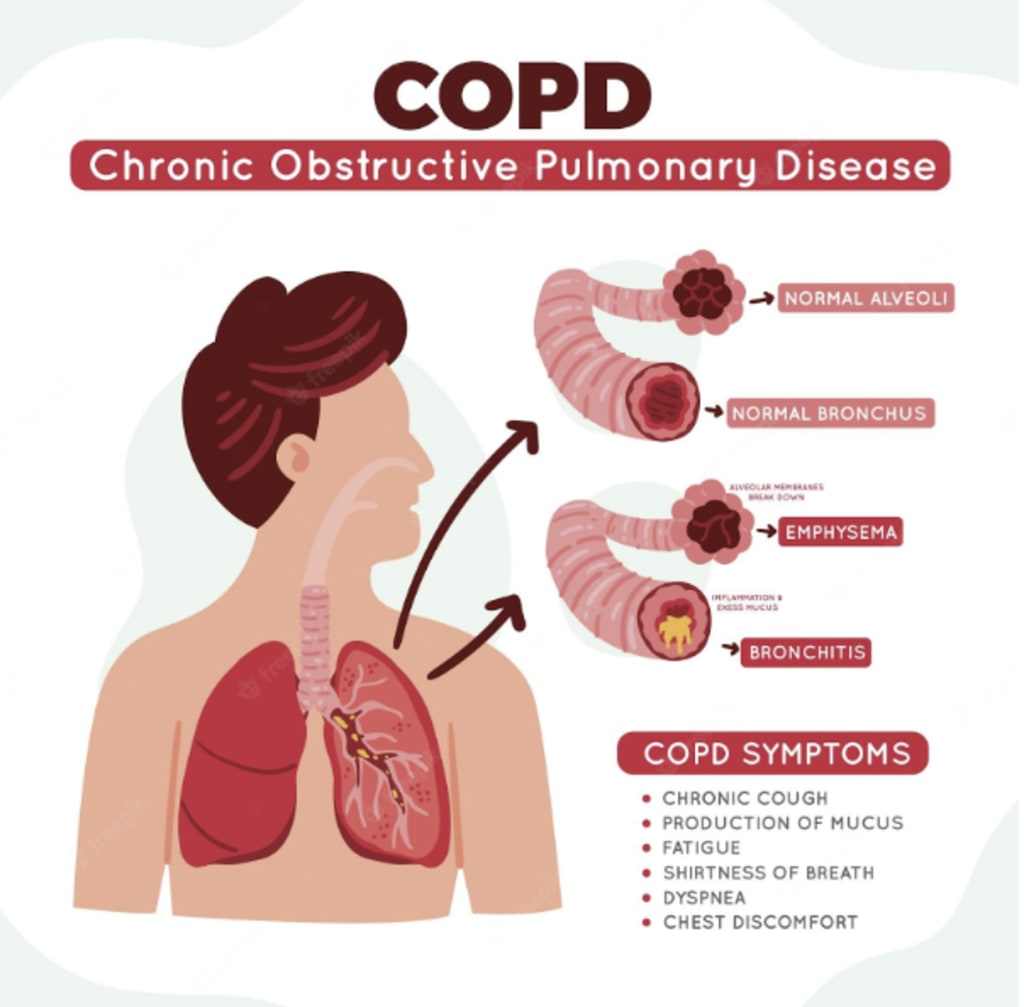
What is COPD?
COPD, or chronic obstructive pulmonary disease, refers to a group of long-term lung diseases, including bronchitis and emphysema. These conditions cause inflammation in the airways, impairing airflow in and out of the lungs and making breathing difficult. COPD is a progressive disease, with symptoms typically worsening over time. Cigarette smoking is the most common cause of COPD, accounting for 85-90% of cases.
Symptoms of COPD
Some common symptoms of COPD include:
Tightness in the chest
Shortness of breath
Wheezing
Fatigue
Unintentional weight loss
Low oxygen level
Cannabis and Lung Health: An Overview
With marijuana being the second most commonly smoked substance worldwide after tobacco, concerns have been raised about the potential health risks of regular marijuana smoking. Although marijuana smoke shares many of the same harmful chemicals found in tobacco smoke, studies have produced mixed results regarding the relationship between cannabis use and COPD development. This section will provide an overview of the current understanding of marijuana's impact on lung health.
Marijuana Smoke and Lung Function
Several studies have investigated the effects of marijuana smoking on lung function and the development of COPD. While some research has found a link between marijuana inhalation and more frequent coughing, sputum production, wheezing, and chronic bronchitis, other studies have concluded that cannabis inhalation does not lead to COPD, lung cancer, or irreversible airway damage.
One study from the University of California, Los Angeles, found that neither current nor lifetime cannabis use was linked with COPD in a cohort of ever-tobacco smokers with or at risk of developing COPD. Similarly, a study in New Zealand found no association between marijuana use and abnormalities in lung function, including lung volume and diffusing capacity.
However, a study in Tucson, United States, involving participants aged 15-40 years found a slight but significant decrease in the ratio of forced expiratory volume in 1 second (FEV1) to forced vital capacity (FVC) and a measure of obstruction of the small airways among participants who used marijuana independent of tobacco.
Joint Effects of Marijuana and Tobacco Smoking
Research has shown that many people who smoke marijuana also smoke cigarettes, making it difficult to isolate the effects of marijuana on lung health. One study found that concurrent smoking of marijuana and tobacco significantly increased respiratory symptoms and the risk of COPD when compared to smoking only tobacco. However, other studies have suggested that concurrent smoking of marijuana and tobacco does not have an additive effect on lung health, and that smoking marijuana alone does not lead to COPD.
Marijuana Use and COPD: Recent Findings
As new studies continue to explore the relationship between marijuana smoking and COPD, conflicting findings have emerged. This section will discuss some of the most recent research on this topic and the potential implications for our understanding of marijuana's impact on lung health.
Study 1: Smoking Marijuana Not Linked to COPD in Young Adults
A recent longitudinal study published in Respiratory Medicine found no association between smoking marijuana and impaired lung function in young adults over a 9-year period. Participants who smoked marijuana alone did not experience reduced airflow or impaired lung function compared to those who never smoked. However, those who smoked cigarettes, either alone or in combination with marijuana, did experience reductions in airflow over the study period.
This study suggests that marijuana smoking alone may not be a significant risk factor for developing COPD in young adults, at least within the first 9 years of use.
Study 2: Cannabis and Emphysema
In contrast to the previous study, a recent publication in the journal Radiology suggested that smoking cannabis is more likely to cause emphysema than smoking tobacco. This study found higher levels of emphysema in smokers who used cannabis and tobacco together, compared to those who used tobacco only. However, it is essential to note that this study did not investigate smokers who used cannabis alone, limiting the conclusions that can be drawn about the effects of marijuana smoking on lung health.
Study Limitations and Future Research
While the studies discussed above provide valuable insights into the relationship between marijuana smoking and COPD, several limitations must be acknowledged. For example, many of these studies rely on self-reported marijuana use, which may be subject to recall bias and inaccuracies due to the illegality and stigma surrounding marijuana. Additionally, differences in study populations, methodologies, and measurements of lung function may contribute to the conflicting results observed across studies.
To better understand the potential long-term effects of marijuana smoking on lung health and COPD development, further research is needed. This research should focus on larger sample sizes, longer follow-up periods, and more comprehensive assessments of lung function.
Can Marijuana Make COPD Symptoms Worse?
While the relationship between marijuana smoking and COPD development remains unclear, some evidence suggests that smoking marijuana may exacerbate symptoms in individuals who already have the disease. For example, marijuana smoke can damage small blood vessels in the airways, potentially worsening symptoms such as coughing and increased mucus production. Additionally, marijuana smoking may cause microscopic injury to the large airways, potentially exacerbating symptoms of chronic bronchitis.
Can Marijuana Treat COPD?
Despite the potential risks associated with smoking marijuana for individuals with COPD, there is growing interest in investigating the potential therapeutic benefits of cannabis for this condition. Some researchers have suggested that cannabinoids, such as cannabidiol (CBD) and tetrahydrocannabinol (THC), may have anti-inflammatory effects and could help open airways in people with COPD.
However, the current evidence for the use of marijuana as a treatment for COPD is limited, and further research is needed to determine its safety and efficacy. For now, individuals with COPD should rely on FDA-approved treatments and discuss any interest in using marijuana for medical purposes with their healthcare provider.
The Role of Vaporization and Edibles
As concerns about the potential respiratory risks associated with smoking marijuana persist, alternative methods of cannabis consumption, such as vaporization and edibles, have gained popularity. Vaporization, which heats cannabis to a temperature below combustion, is associated with reduced exposure to toxic gases and has been identified as a "safe and effective" cannabis delivery method in clinical trial settings. However, more research is needed to understand the long-term effects of vaporization on lung health.
Similarly, edibles do not involve smoking and are therefore less likely to cause lung damage. However, the safety of edibles for individuals with COPD remains unclear, as the strength and composition of these products can vary widely, and their use has been associated with adverse side effects and increased emergency room visits in some cases.
Legal Considerations and Future Directions
As marijuana becomes increasingly legal and accepted for medical and recreational use, understanding its potential health effects, particularly on lung health and COPD, is crucial. Although the current evidence is mixed and limited by methodological issues, further research is needed to determine the long-term effects of marijuana smoking on lung health and the potential therapeutic benefits of cannabinoids for individuals with COPD.
In the meantime, individuals with COPD should avoid smoking any substance, including marijuana, as it may worsen respiratory symptoms. Those considering using marijuana in alternative forms, such as edibles or oils, should consult their healthcare provider before doing so, as the safety and efficacy of these products remain uncertain.
Conclusion
The current evidence on the relationship between marijuana smoking and COPD is inconclusive, with studies producing mixed results. While some research suggests that marijuana smoking may not be a significant risk factor for developing COPD, other studies have reported associations between cannabis use and respiratory symptoms or impaired lung function. As the legalization and normalization of marijuana use continue to expand, further research is needed to better understand the potential risks and benefits of cannabis on lung health and COPD development. For now, individuals with COPD should exercise caution and consult their healthcare providers before using marijuana for medical or recreational purposes.
About the Creator
Enjoyed the story? Support the Creator.
Subscribe for free to receive all their stories in your feed.
Comments
There are no comments for this story
Be the first to respond and start the conversation.