
Sleep Apnea and Your Stomach
What You Should and Shouldn’t Eat When You Have Sleep Apnea
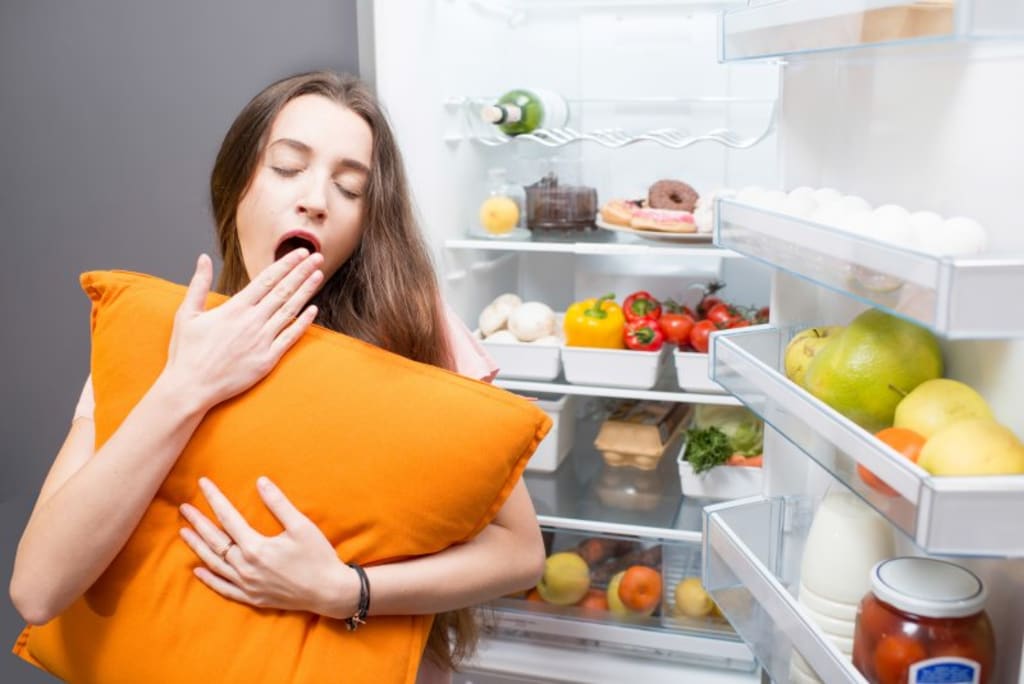
If you have obstructive sleep apnea – a condition where soft tissues in your mouth and throat tend to block your airway and interrupt your breathing while you’re asleep – then you’re probably suffering from sleep deprivation, and you could be at a higher risk for heart problems. Fortunately, sleep apnea is a condition you can manage with the help of a sleep dentist. In addition to professional treatment, you can also make a few changes to your lifestyle to reduce your symptoms. One aspect of your life that can potentially help ease – or exacerbate – your sleep apnea is your diet.
Certain foods make it easier for you to fall asleep and stay asleep; at the same time, there are other foods that might make existing breathing problems worse and thus get in the way of a full night’s rest. Furthermore, since obesity is a major risk factor for sleep apnea, it’s best to be mindful of what foods are helpful for weight management and which should be avoided. Below are some examples of foods that can help you manage a sleep disorder as well as foods that might make the problem worse; use them as a guide to plan a sleep-friendly diet.
Foods to Eat with Sleep Apnea
• Melatonin-Rich Foods: Melatonin is the hormone that your brain uses to control your sleep cycle. Higher melatonin levels make it easier for you to stay asleep. Cherries, corn, asparagus, tomatoes, grapes, and other fruits and vegetables are known to be high in melatonin.
• Omega-3 Foods: Omega-3 fatty acids aid the body in producing sleep-inducing melatonin. Tuna, salmon, shrimp, and other types of seafood tend to be a good source of omega-3.
• Tryptophan Foods: Tryptophan is eventually converted into melatonin, making it easier for you to fall asleep. Tryptophan is found in turkey, chicken, nuts, beans, and many different vegetables.
• Weight-Friendly Foods: If weight is contributing to your sleep apnea, try eating more fruits, vegetables, and low-fat dairy products. Not only are they rich in nutrients, but they also help you feel fool and discourage overeating.
Foods to Avoid with Sleep Apnea
• Bananas: While bananas are generally healthy, they also increase mucus production in the mouth and throat, which makes it more likely for the airway to become blocked during the night.
• Fatty Meats: The saturated fats in steak, burgers, bacon, and other fatty meats can lead to inflammation throughout your body and increase your risk for heart problems. Since cardiovascular issues are also commonly associated with sleep apnea, it’s best to avoid fatty meats so that you don’t make any existing problems worse.
• High-Fat Dairy Products: While low-fat dairy products can actually be good for sleep apnea sufferers, high-fat products can lead to weight gain and increase mucus production, both of which can lead to worse obstructions of the airway.
• Refined Carbs: Refined carbohydrates include mostly sugars and processed grains (such as what you might find in white bread, pastries, sodas, and sweets). They are very likely to contribute to weight gain and worsen sleep apnea. It’s recommended that you switch to whole grains instead while you’re trying to lose weight.
• Alcohol: If you’re in the habit of drinking alcohol right before bed, you might be exacerbating your sleep apnea without realizing it. Alcohol relaxes the muscles in your mouth and throat, making it easier for them to collapse and block the airway.
Every case of sleep apnea is different. If you’re not sure what sort of changes you should be making to your diet, get in touch with your sleep dentist to see what advice they might have.
About the Creator
Enjoyed the story? Support the Creator.
Subscribe for free to receive all their stories in your feed.
Comments
There are no comments for this story
Be the first to respond and start the conversation.