
Signs and Symptoms of Ecstasy Addiction
Understanding the Warning Signs of MDMA Abuse

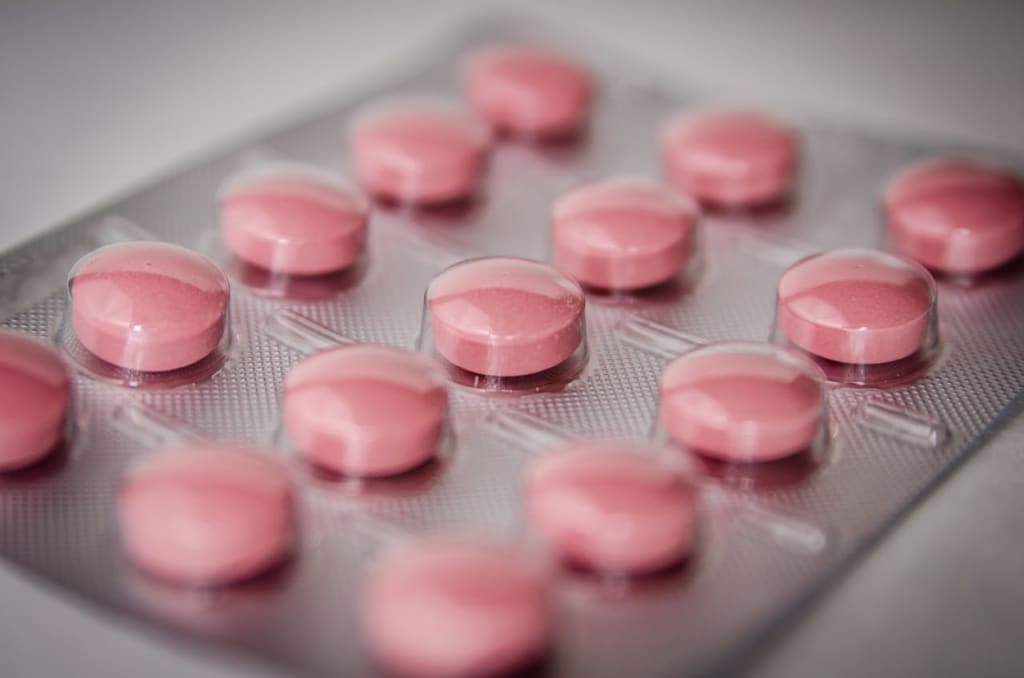
Ecstasy, commonly known as MDMA, is a popular party drug often associated with raves and social gatherings. While many individuals may perceive it as a harmless substance, the reality is that ecstasy can lead to addiction and numerous health risks. Understanding the signs and symptoms of ecstasy addiction is crucial for those who may be struggling or for their loved ones who wish to help. This blog will outline these signs and discuss the available addiction treatment options.
Understanding Ecstasy
Ecstasy is a synthetic drug that alters mood and perception. It primarily affects serotonin levels in the brain, leading to feelings of euphoria, increased energy, and enhanced sensory perception. However, this high is often followed by negative side effects, including anxiety, agitation, and depression.
Signs of Ecstasy Addiction
Recognizing the signs of ecstasy addiction can be the first step toward seeking help. Here are some common indicators:
1. Increased Tolerance
Individuals may find they need to consume larger doses of ecstasy to achieve the same euphoric effects as before. This increased tolerance can lead to more frequent use and higher doses, escalating the risk of addiction.
2. Withdrawal Symptoms
When not using ecstasy, individuals may experience withdrawal symptoms such as fatigue, depression, anxiety, or irritability. These symptoms can make it challenging to refrain from using the drug.
3. Neglecting Responsibilities
An addiction to ecstasy often leads individuals to neglect their personal, professional, or academic responsibilities. This can include poor performance at work or school and strained relationships with family and friends.
4. Preoccupation with the Drug
A strong focus on obtaining and using ecstasy can indicate addiction. Individuals may spend excessive time and resources on the drug, often at the expense of other interests and activities.
5. Risky Behaviors
Ecstasy users may engage in risky behaviors while under the influence, such as unprotected sex, driving while impaired, or mixing the drug with other substances. This recklessness can lead to serious consequences.
6. Physical Symptoms
Regular ecstasy use can manifest in physical symptoms, including increased heart rate, changes in appetite, insomnia, and poor hygiene. Users may also experience hallucinations or paranoia.
Dual Diagnosis Treatment
Many individuals struggling with ecstasy addiction may also experience co-occurring mental health disorders, such as depression, anxiety, or PTSD. It’s crucial to address these underlying issues as part of a comprehensive treatment plan. Dual diagnosis treatment allows professionals to provide integrated care, addressing both substance abuse and mental health concerns.
Addiction Treatment Options
If you or someone you know is struggling with ecstasy addiction, several treatment options are available.
1. Residential Treatment Program
A residential treatment program provides a structured environment for individuals to focus on recovery. Participants receive 24/7 care, therapeutic support, and a safe space to detox from substances.
2. Intensive Inpatient Program
Intensive inpatient programs offer a higher level of care for those with severe addictions. These programs include individual and group therapy, medical supervision, and various therapeutic activities.
3. Drug Rehab Program
A drug rehab program can help individuals create a personalized treatment plan based on their specific needs. This can include detoxification, therapy, and aftercare planning.
4. Substance Abuse Treatment
Comprehensive substance abuse treatment often combines various therapies, including Cognitive-Behavioral Therapy (CBT), Dialectical Behavior Therapy (DBT), and holistic approaches to ensure long-term recovery.
5. Alcohol and Opioid Addiction Treatment
For individuals who may be struggling with polydrug use, such as combining ecstasy with alcohol or opioids, specialized treatment programs are essential.
Seeking Help
If you recognize any of the signs of ecstasy addiction in yourself or someone else, it’s vital to seek help immediately. At Evoke Wellness Miramar, we provide compassionate and effective addiction treatment tailored to individual needs. Our dedicated team offers a range of services, including residential treatment programs, intensive inpatient programs, and dual diagnosis treatment to support recovery from ecstasy and other substance use disorders.
Conclusion
Understanding the signs and symptoms of ecstasy addiction is the first step in addressing this serious issue. With the right support and treatment, individuals can reclaim their lives and find a healthier path forward. If you or someone you know is struggling with addiction, reach out to Evoke Wellness Miramar today to learn about our comprehensive treatment options and begin the journey to recovery.
About the Creator
Bridgette Fong
Bridgette is a Licensed Mental Health Counselor who received her bachelor’s degree in Psychology from Florida International University and master’s degree in Mental Health Counseling from Nova Southeastern University.
Enjoyed the story? Support the Creator.
Subscribe for free to receive all their stories in your feed.
Comments
There are no comments for this story
Be the first to respond and start the conversation.