
Say Goodbye To CPAP Machines: Explore CPAP Alternatives With Our Conway dentist
Conway dentist
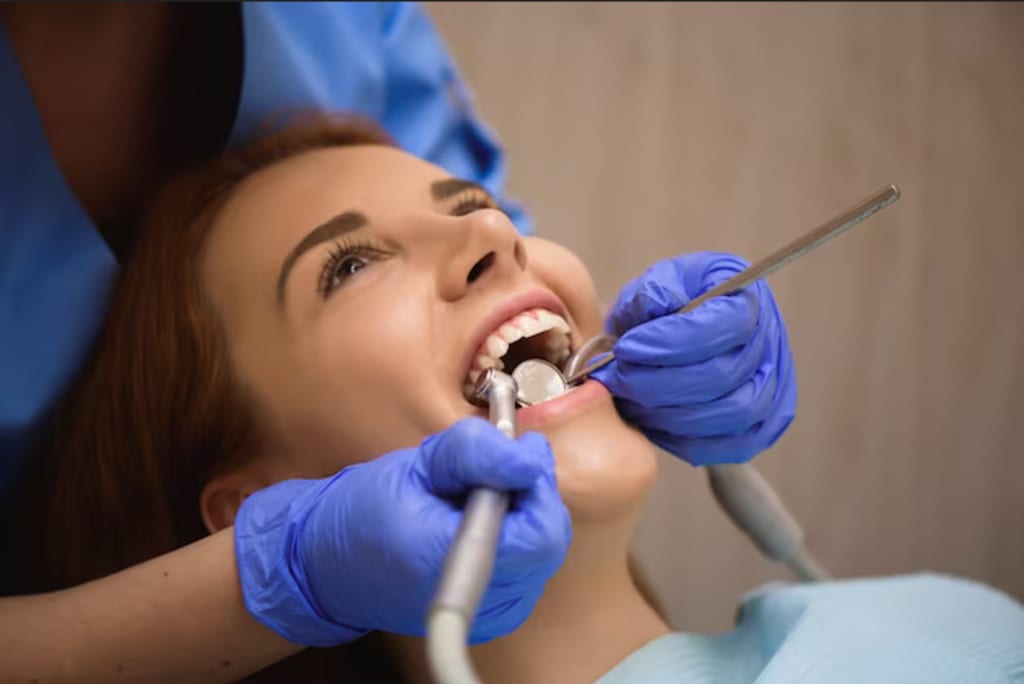
Continuous Positive Airway Pressure (CPAP) machines are the most commonly prescribed treatment for sleep apnea. While they are effective for many people, some patients find them uncomfortable, noisy, or inconvenient. For these patients, CPAP alternatives may be a better solution. In this guide, we'll explore the CPAP alternatives available at our Conway dental office and how they can help you get a better night's sleep.
Understanding Sleep Apnea
Sleep apnea is a sleep disorder characterized by pauses in breathing or shallow breathing during sleep. These pauses can occur dozens or even hundreds of times per night and can last for several seconds to several minutes. This results in disrupted sleep, daytime fatigue, and other health problems. There are two main types of sleep apnea:
Obstructive Sleep Apnea (OSA): This is the most common type of sleep apnea, accounting for about 85% of cases. It occurs when the muscles in the back of the throat fail to keep the airway open during sleep.
Central Sleep Apnea (CSA): This type of sleep apnea is less common and occurs when the brain fails to signal the muscles to breathe.
CPAP Machines
CPAP machines are the most commonly prescribed treatment for sleep apnea, especially for patients with OSA. These machines deliver a continuous stream of air through a mask worn over the nose or mouth, which helps to keep the airway open during sleep. While CPAP machines are effective for many patients, some people find them uncomfortable, noisy, or inconvenient. Common complaints include:
Difficulty adjusting to wearing a mask or sleeping with a machine
Discomfort from the mask, hose, or straps
Dry or stuffy nose, mouth, or throat
Skin irritation or pressure sores from the mask or straps Noise from the machine or mask
CPAP Alternatives
If you find CPAP machines uncomfortable or inconvenient, there are several CPAP alternatives available. These alternatives include:
Oral Appliance Therapy
Oral appliance therapy involves wearing a custom-made mouthguard that repositions the lower jaw and tongue to help keep the airway open during sleep. These mouthguards are comfortable and easy to wear, and they don't require electricity or tubing. Oral appliance therapy is effective for mild to moderate OSA and can also be used in combination with CPAP machines for more severe cases.
Positional Therapy
Positional therapy involves using special devices or positioning techniques to keep the body in a specific position during sleep, which can help to prevent the airway from collapsing. For example, some patients may use a special pillow or wedge to keep them from sleeping on their back, which can aggravate sleep apnea.
Lifestyle Changes
Lifestyle changes can also be effective in reducing the severity of sleep apnea. Losing weight, avoiding alcohol and sedatives before bed, and quitting smoking can all help to improve sleep apnea symptoms. Additionally, certain exercises and breathing techniques can help to strengthen the muscles in the throat and reduce the frequency and severity of sleep apnea episodes.
Surgery
In some cases, surgery may be necessary to correct anatomical problems that contribute to sleep apnea. Surgery may involve removing excess tissue from the throat, repositioning the jaw, or correcting structural abnormalities.
How Our Conway Dentist Can Help
At our Conway dental office, we offer a range of CPAP alternatives to help our patients get a better night's sleep. Our experienced team can help you determine which treatment option is right for you based on your individual needs and preferences.
If you're interested in exploring CPAP alternatives, schedule a consultation with our Conway dentist today. We'll evaluate your sleep apnea symptoms, discuss your treatment options, and work with you to develop a customized treatment plan.
About the Creator
Enjoyed the story? Support the Creator.
Subscribe for free to receive all their stories in your feed.
Comments
There are no comments for this story
Be the first to respond and start the conversation.