
Runtime Environment Explained: Components, Benefits and Uses
Runtime Environment Explained

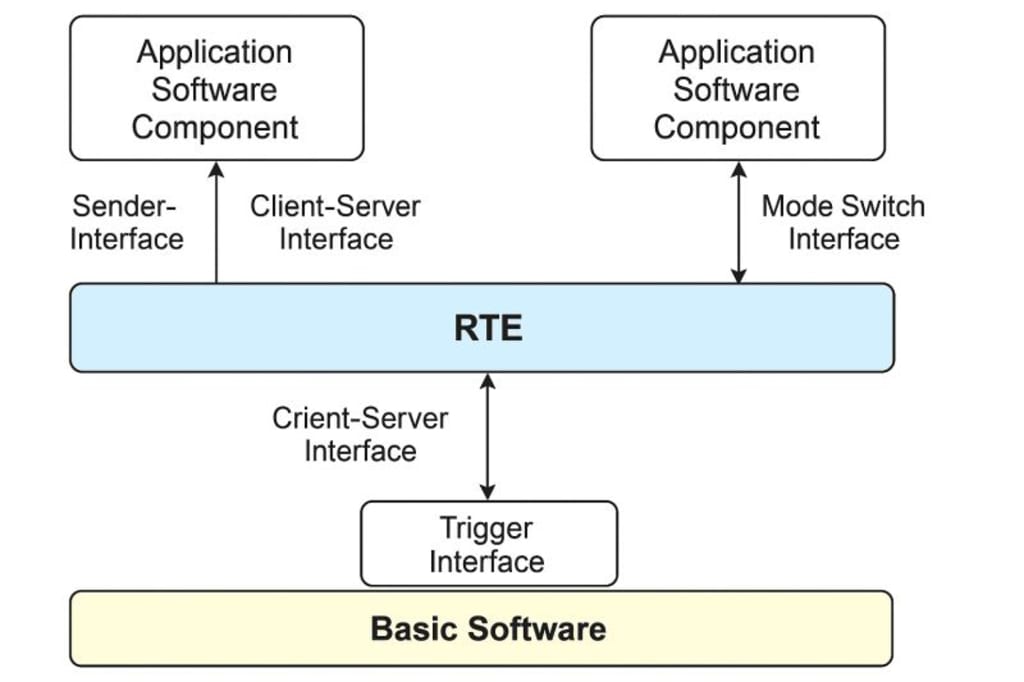
Every software program wants a domain where it can run and perform its responsibilities. This area is referred to as the runtime environment. Whether you’re managing a mobile application, browsing a website, or working on a business application, the runtime configuration works behind the scenes to ensure applications work efficiently .
As software applications become more superior, information runtime status has emerged as an increasing number of essentials for developers, companies and IT specialists. It provides vital resources and conditions that allow applications to run efficiently. Without a proper configuration, even a finely written software program cannot achieve approximate functionality.
This article explains what a runtime environment is, how it works, key components, benefits, stressful situations, and why it is an important prerequisite for improving current software packages.
What Is a Runtime Environment?
The runtime environment is the collection of software applications and hardware sources to be run after the application is updated and deployed.It acts as a bridge between the business and the data controller, ensuring that the business has been given access to critical assets.
This controls tasks such as memory allocation, file processing, protection management, and talking to smartphones. It provides a muse that allows applications to perform their intended functions the way they should be.
Different programming languages usually use some kind of runtime dependencies. For example, Java packages depend on the Java Runtime Environment (JRE), while packages built with .NET use the Common Language Runtime (CLR).
How a Runtime Environment Works
When the user starts the utility, the runtime environment downloads the necessary files and assets needed for execution. It then controls the code execution system and coordinates the interaction between the software program and the operating system.
The runtime machine handles two tasks simultaneously. It allocates memory, manages threads, approaches input and output requests, and ensures that there should be runtime dependencies. These games help save solidly reliable software overall performance.
By managing that technical operation on a regular basis, this validates developers about writing usability and common sense as opposed to dealing with low-level device functionality.
Key Components of a Runtime Environment
A runtime environment includes several critical plugins that work together to support software execution.
Memory Management
Memory management is one of the most important responsibilities of a runtime system. It allocates memory to applications at the desired time and frees up unused memory to save your waste and improve efficiency.
Libraries and Dependencies
Applications typically rely on external libraries and supporting documentation. The runtime environment ensures that these dependencies are available in the execution.
Security Features
Modern drive environments have security mechanisms that protect packets from unauthorized access and malicious activity. These functions help maintain statistical integrity and gadget balance.
Execution Engine
The performance engine will load to run the software code. It interprets or gathers instructions and ensures that the software program performs its stated responsibilities effectively.
Types of Runtime Environments
Different applications require a unique type of runtime optimization depending on their timestack and deployment version.
Desktop Runtime Environment
Writer packages depend on runtime environments installed on private computers. These environments provide the assets needed to run applications on Windows, macOS, or Linux systems.
Web Runtime Environment
Web packages use server-side runtime environments that process requests and deliver content to clients through browsers. Popular examples are Node.Js and ASP.NET runtime structures.
Mobile Runtime Environment
Mobile applications operate in runtime environments designed for smartphones and tablets. These environments handle device-specific resources that include storage, sensors, and community connectivity.
Cloud Runtime Environment
With the growth of cloud computing, cloud runtime environments have become increasingly popular. They allow organizations to deploy and scale applications efficiently without managing the physical structure.
Runtime Environment vs Development Environment
Many humans confuse a debug environment with a runtime environment.Both serve a tremendous purpose while being essential.
Development environments are used to build, test, and debug software. This usually involves the use of code editors, tools, and debugging utilities.
On the other hand, the runtime environment is charged for executing the application after development is complete. It specializes in performance, resource management, and application balancing.
Understanding the differences between a debugging environment versus an application deployment allows groups to build more reliable software systems.
Benefits of a Runtime Environment
A properly designed runtime environment provides many blessings for every developer and organizations.
Improved Application Performance
Runtime systems optimize resource utilization, helping applications run easily and efficiently.
Enhanced Portability
Many runtime environments can run applications on separate work orders with minimal changes.
Better Security
Built-in protection controls help protect applications and sensitive information from capacity threats.
Easier Maintenance
Developers can replace or make other improvements to the packages without making a complete change to the underlying infrastructure.
Common Challenges
While runtime environments offer many benefits, they additionally present positive challenges.
Compatibility problems can occur when applications require exact runtime changes. Missing dependencies can also prevent a software application from launching effectively. Resource limitation can also affect overall performance when packages consume too much memory or processing power.
To ensure Premier operation and security, organizations should regularly test and replace their runtime configuration.
Best Practices for Runtime Optimization
Runtime optimization allows organizations to maximize the overall performance and reliability of software testing strategies.
Updating the runtime environment ensures access to patches and overall performance improvements. By monitoring resource utilization, customers catch bottlenecks before they come into effect. Carefully managing runtime dependencies minimizes compatibility issues and deployment screws.
Businesses should also use automated monitoring tools to adjust application health and quickly meet capacity issues.
The Future of Runtime Environments
Over time, the runtime environment will become smarter and greener. Cloud-native architecture, regional configuration, and serverless computing are changing how packages are deployed and managed.
Modern runtime systems increasingly facilitate automation, scalability, and progressive maintenance. These improvements help companies provide greater virtual reviews and reduce operational complexity.
The increasing use of artificial intelligence and part computing is predicted to drive time along runtime environments, making them more adaptable and efficient
Conclusion
The runtime environment is an important part of the existing software structure. It presents materials, equipment and offerings critical to the correct execution of applications. From memory management and protection to overall performance optimization and cloud deployment,code execution processes guide every step of application execution.
As organizations increasingly rely on virtual technologies, information and optimization of the runtime system will be critical to delivering reliable, secure, and functional software applications.
About the Creator
Muhammad Hanzla
I am SEO expert. I have 2 year experience in SEO field.I am working at SEO Company in Lahore, Pakistan.
Enjoyed the story? Support the Creator.
Subscribe for free to receive all their stories in your feed.
Comments
There are no comments for this story
Be the first to respond and start the conversation.