
Root Canal Treatment: Reducing Pain and Preserving Teeth
What You Need to Know About One of Dentistry’s Most Misunderstood Procedures

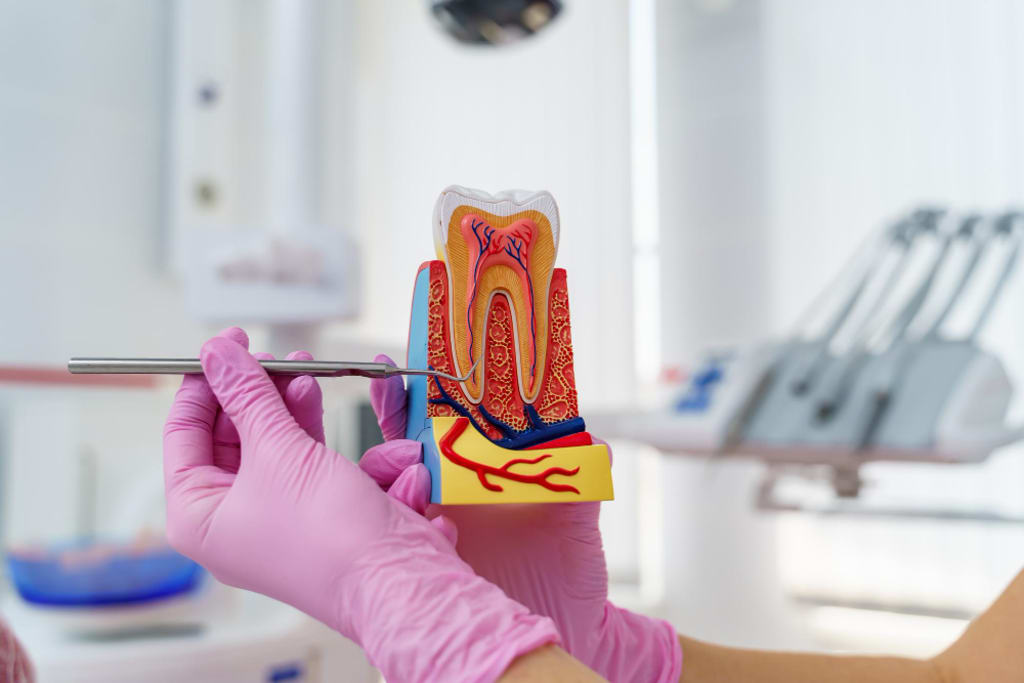
Hearing the words “root canal” might bring a wave of anxiety to many, but the truth is that this standard dental procedure is designed to relieve pain, not cause it. Root canal treatment is a successful option to rescue a damaged or infected tooth, allowing you to maintain a natural smile without the need for further surgical work later in life.
What Is a Root Canal?
Root canal refers to a dental procedure employed in the treatment of infection or swelling in the pulp of any given tooth. The soft tissue in the middle of your tooth is called pulp, which contains blood and nerves.
When it becomes infected—often due to deep decay, repeated dental procedures, a crack, or trauma—it can cause significant pain and even lead to abscess formation if left untreated.
Throughout the process, your dentist will extract the infected pulp, thoroughly clean the interior of the tooth, and seal it to prevent subsequent problems. A crown is usually placed afterwards to restore the tooth’s strength and function.
Why You Might Need a Root Canal
Several signs and symptoms might indicate the need for a root canal:
- Throbbing of the teeth, particularly during the chewing and putting pressure on the tooth.
- A persistent feeling of sensitivity to extremes of heat or cold long after the reason is withdrawn
- Darkening or discolouration of the tooth
- Puffiness and soreness of the surrounding gum
- A recurrent or chronic pimple on the gums
Seeing your dentist right away is crucial if you encounter any of these symptoms. Early care may be the difference between losing and not losing a tooth.
The Procedure: Step-by-Step
Having some understanding of how a root canal is performed should alleviate any concerns or fears you may have:
Diagnosis and Preparation
To determine the level of the infection, your dentist will conduct X-rays. The local anaesthetic is administered to ensure a painless procedure.
Accessing the Pulp
The crown of the teeth is split open to reach the pulp chamber.
Cleaning and Shaping
Infected tissue is cut out, and the inside of the tooth is cleaned out and shaped with special tools.
Filling and Sealing
Cleansed canals are packed and sealed with a biocompatible substance (in most cases, this is gutta-percha) to prevent reinfection.
Restoration
A crown or filling is inserted to protect and restore the tooth to its full functionality.
Common Misconceptions About Root Canals
Let’s address some of the most persistent myths surrounding root canal therapy:
Myth: Root canals are extremely painful.
Fact: Most patients say that the process of a root canal is as painless as the process of filling using new methods and anaesthesia.
Myth: Removing the tooth is a better solution.
Fact: Saving your natural tooth is usually the best course of action. Tooth extraction creates a risk to the alignment and loss of the bone and may result in even more complicated (and expensive) measures such as implementation.
Myth: Root canals cause illness.
Fact: This outdated theory has been thoroughly debunked. Root canal treatment is a safe and proven way to eliminate infection.
Benefits of Root Canal Treatment
Opting for root canal therapy can offer several advantages:
- Pain Relief: It effectively eliminates the pain caused by an infected or damaged tooth.
- Tooth Preservation: It enables you to retain your tooth whenever feasible.
- Aesthetic Results: With a crown, your tooth will look and function just like the original.
- Improved Oral Health: It is also effective in treating infections at their point of origin, preventing them from spreading to other body parts or other areas of the mouth.
How to Maintain Your Tooth Following a Root Canal
Post-procedure care is essential for recovery and long-term success:
- Follow your dentist’s aftercare instructions carefully.
- Do not chew the treated tooth until you have completed your final restoration.
- Maintain proper oral health by brushing, flossing, and attending regular dental check-ups.
- It is always a good idea to visit your dentist if you develop any abnormalities.
Final Thoughts
Root canal treatment has undergone significant evolution, offering patients a comfortable and effective means to preserve their teeth and alleviate dental pain. If you’ve been told you need one, don’t panic—root canal therapy is designed to protect your smile and restore your comfort.
Looking for trusted root canal treatment in Canley Heights? Our skilled dental staff would like to make the process as painless and easy as possible. Schedule your consultation today and take the first step toward a healthier, pain-free smile.
About the Creator
Canley Heights Dental Care
Canley heights dentist, your trusted family dentists providing advanced dentistry and same day emergency care. Call (02) 9199 9678 or visit us at 1/229 Canley Vale Rd, Canley Heights NSW 2166
Enjoyed the story? Support the Creator.
Subscribe for free to receive all their stories in your feed.
Comments
There are no comments for this story
Be the first to respond and start the conversation.