
Role Of Supply Chain In Oil & Gas Company
Enhancing Operations and Logistics in the Oil & Gas Sector

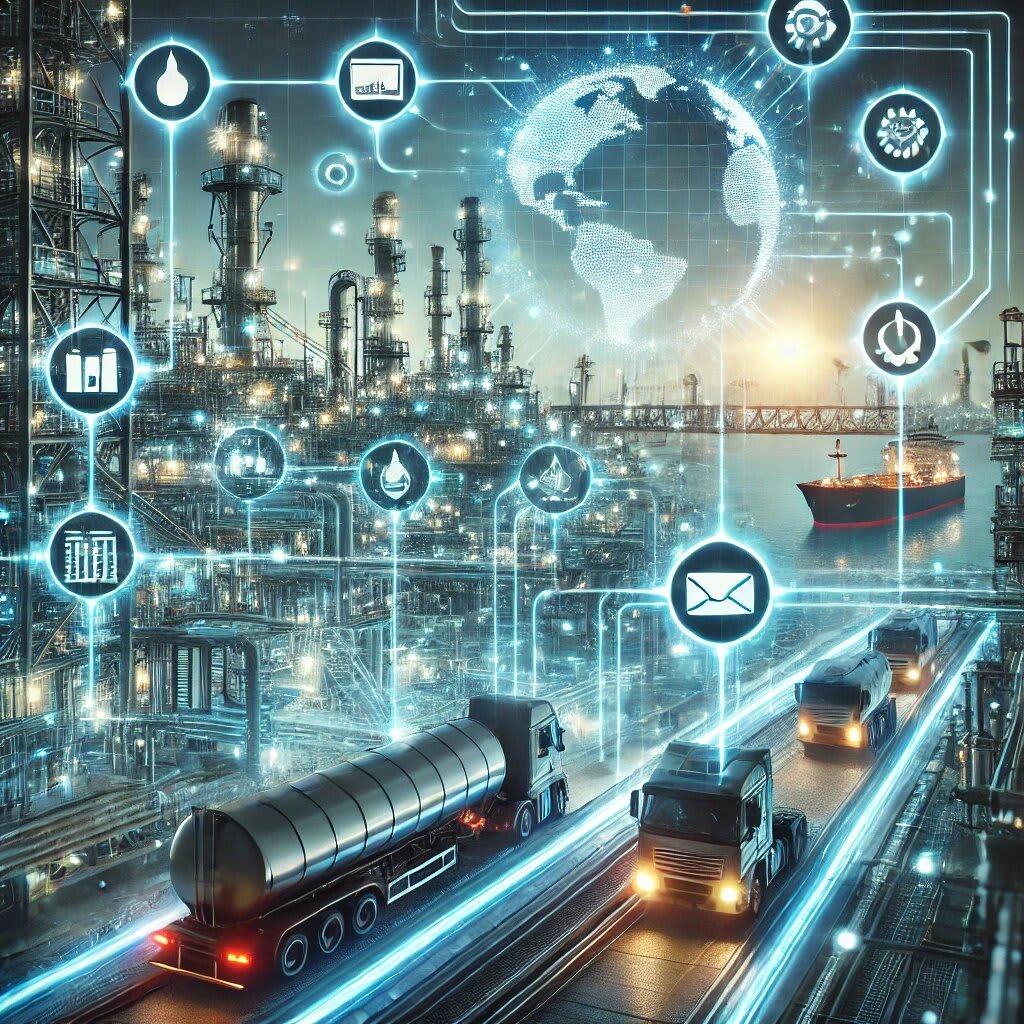
The oil and gas industry is one of the most complex and demanding sectors in the world. Efficient operations and logistics play a crucial role in ensuring smooth production, transportation, and distribution of petroleum products. With rising global demand, companies are constantly looking for ways to optimize their supply chain, reduce costs, and improve efficiency. In this article, we will explore key strategies to enhance operations and logistics in the oil and gas sector.
1. Importance of Logistics in Oil & Gas Operations
Logistics in the oil and gas industry involves managing the flow of raw materials, equipment, and finished products across vast distances. It includes:
Upstream Logistics: Managing the transportation of drilling equipment, crude oil extraction, and movement of raw materials.
Midstream Logistics: Handling storage, pipelines, and transportation of crude oil and natural gas.
Downstream Logistics: Refining, distribution, and delivery of petroleum products to consumers.
Effective logistics management ensures uninterrupted production, minimizes operational risks, and enhances profitability.
2. Key Challenges in Oil & Gas Logistics
Despite advancements, the industry faces several challenges that impact efficiency and profitability. Some of these include:
Supply Chain Disruptions: Delays in procurement, geopolitical instability, and natural disasters can disrupt supply chains.
High Transportation Costs: Moving crude oil and gas requires specialized infrastructure, leading to high costs.
Regulatory Compliance: Companies must adhere to strict environmental and safety regulations.
Technology Integration: Many companies still rely on outdated systems, leading to inefficiencies.
Addressing these challenges requires strategic planning and investment in modern solutions.
3. Strategies to Enhance Operations and Logistics
To improve efficiency, oil and gas companies must implement innovative strategies:
a) Digital Transformation and Automation
- Implement IoT (Internet of Things) devices for real-time monitoring of pipelines and equipment.
- Use AI-powered analytics to predict maintenance needs and prevent equipment failures.
- Adopt cloud-based logistics management systems to track shipments and optimize routes.
b) Supply Chain Optimization
- Build strong relationships with suppliers to ensure a steady flow of materials.
- Utilize blockchain technology for transparent and secure transactions.
- Implement Just-in-Time (JIT) inventory management to reduce storage costs.
c) Efficient Transportation and Distribution
- Invest in pipeline infrastructure to reduce dependency on trucks and ships.
- Use automated drones for pipeline inspection and monitoring.
- Optimize shipping routes using AI-driven logistics platforms.
d) Safety and Environmental Sustainability
- Ensure compliance with environmental regulations to avoid fines and reputational damage.
- Use carbon capture technologies to minimize emissions.
- Train employees on safe handling of hazardous materials.
4. Role of Data Analytics in Logistics Management
Big data and analytics play a significant role in optimizing logistics operations:
Predictive Analytics helps companies forecast demand and avoid supply shortages.
Fleet Management Systems optimize fuel usage and reduce transportation costs.
Real-time Data Tracking improves decision-making and response time in case of disruptions.
By leveraging data-driven insights, companies can significantly enhance efficiency and cost savings.
5. Future Trends in Oil & Gas Logistics
The future of oil and gas logistics is driven by innovation and sustainability. Key trends include:
AI and Machine Learning for predictive maintenance and logistics optimization.
Renewable Energy Integration to reduce dependency on fossil fuels.
Autonomous Vehicles for safer and cost-effective transportation.
Green Logistics Initiatives such as using biofuels and reducing carbon footprints.
Conclusion
Enhancing operations and logistics in the oil and gas sector is crucial for maintaining efficiency, reducing costs, and ensuring long-term sustainability. By adopting digital transformation, optimizing supply chains, improving transportation methods, and leveraging data analytics, companies can overcome challenges and stay competitive in the evolving market.
Investing in technology and sustainability will not only improve profitability but also contribute to a greener future for the industry.
About the Creator
Net Result
Optimize your MRO operations with Net Results Group's master data management solutions. Enhance efficiency, reduce costs, and achieve ROI with our MRO3i™ platform ensures accurate data, governance, and inventory optimization.
Enjoyed the story? Support the Creator.
Subscribe for free to receive all their stories in your feed.
Comments
There are no comments for this story
Be the first to respond and start the conversation.