
Reversing The Damage: A Comprehensive Guide to Gum Recession Surgery
Gum recession Surgery
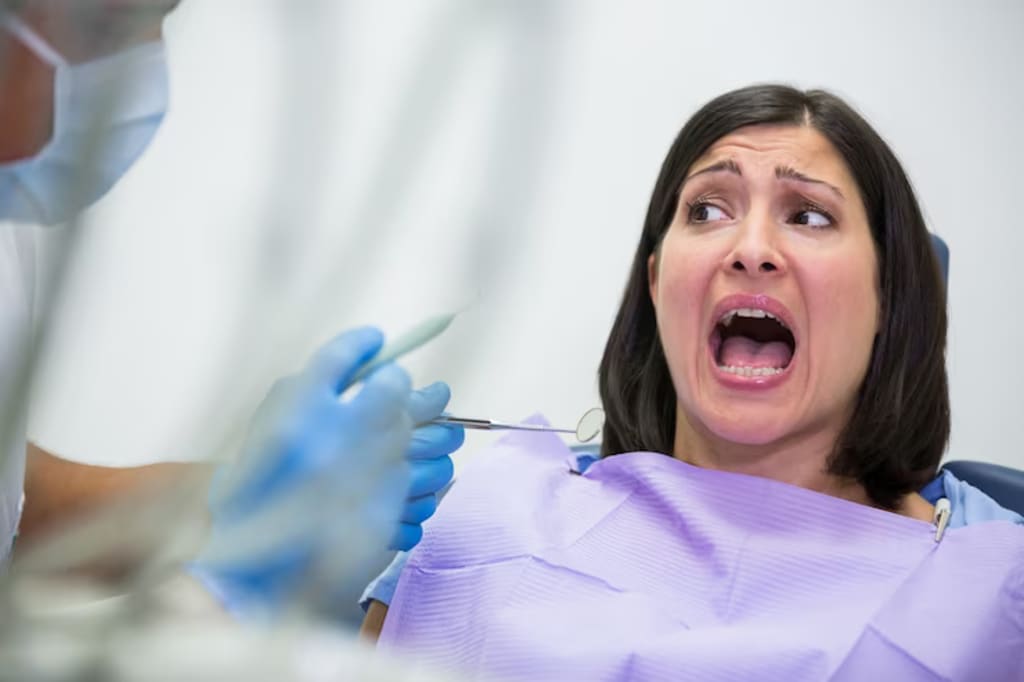
Gum recession is a common dental issue that affects many people. It occurs when the gum tissue surrounding the teeth wears away, exposing the roots of the teeth and leading to a range of problems, including sensitivity, decay, and even tooth loss.
Gum recession can be caused by a variety of factors, including periodontal disease, aggressive brushing, clenching and grinding, hormonal changes, and genetics. If left untreated, gum recession can lead to significant dental problems, including sensitivity, decay, and tooth loss.
Fortunately, gum recession can be treated with gum recession surgery, also known as gum grafting or periodontal plastic surgery. Gum recession surgery is a procedure that involves taking gum tissue from another part of the mouth and transplanting it to the area of gum recession. This helps to cover the exposed root of the tooth, protecting it from further damage and promoting the growth of healthy gum tissue.
There are several types of gum recession surgery, including connective tissue grafts, free gingival grafts, and pedicle grafts. Connective tissue grafts involve removing a small piece of gum tissue from the roof of the mouth and using it to cover the exposed root of the tooth. Free gingival grafts involve removing a small piece of gum tissue from the roof of the mouth and attaching it directly to the area of gum recession. Pedicle grafts involve using a flap of gum tissue from the adjacent tooth to cover the exposed root of the tooth.
Gum recession surgery is typically performed under local anesthesia or intravenous sedation. The procedure is typically performed on an outpatient basis and can take anywhere from 30 minutes to several hours, depending on the extent of the gum recession and the type of surgery being performed.
There are several benefits to gum recession surgery. Firstly, it helps to protect the exposed root of the tooth from further damage. When the gum tissue wears away, the root of the tooth is exposed, making it more susceptible to decay and sensitivity. Gum recession surgery helps to cover the exposed root, protecting it from further damage and promoting the growth of healthy gum tissue.
Another benefit of gum recession surgery is that it can improve the appearance of the smile. When the gum tissue wears away, the teeth can look longer and more pronounced, affecting the overall appearance of the smile. Gum recession surgery can help to restore the natural contours of the gumline, improving the overall appearance of the smile.
In addition, gum recession surgery can also help to relieve sensitivity. When the root of the tooth is exposed, it can be more sensitive to hot and cold temperatures, leading to discomfort and pain. Gum recession surgery helps to cover the exposed root, reducing sensitivity and alleviating discomfort.
Finally, gum recession surgery can also help to prevent tooth loss. When the gum tissue wears away, the root of the tooth is exposed, making it more susceptible to decay and infection. If left untreated, this can lead to tooth loss. Gum recession surgery helps to protect the exposed root, reducing the risk of tooth loss and promoting the growth of healthy gum tissue.
If you are experiencing gum recession, it is important to seek out a periodontist or gum specialist to discuss your options. A periodontist is a dental specialist who has advanced training in the treatment of gum disease and gum recession. They can perform a comprehensive evaluation of your oral health and determine the best course of treatment for your specific needs.
In conclusion, gum recession is a common dental issue that can lead to a range of problems, including sensitivity, decay, and tooth loss. Fortunately, gum recession can be treated with gum recession surgery, a procedure that involves taking gum tissue from another part of the mouth and transplanting it to the area of gum recession.
About the Creator
Enjoyed the story? Support the Creator.
Subscribe for free to receive all their stories in your feed.
Comments
There are no comments for this story
Be the first to respond and start the conversation.