
Rethinking Underwear
An Analysis of Its Functions, Limitations, and Necessity

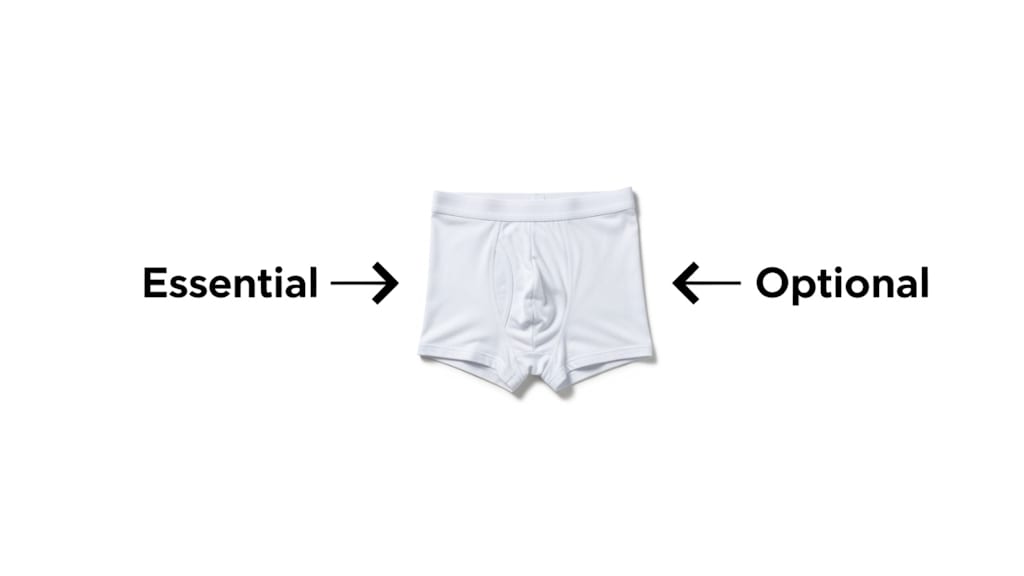
Underwear constitutes a fundamental yet often overlooked component of contemporary clothing practices. Despite its widespread use across cultures and societies, its functional significance, potential disadvantages, and contextual necessity are rarely examined in a systematic manner. While commonly associated with hygiene, comfort, and modesty, underwear is not universally essential in all situations. This article seeks to provide a comprehensive analysis of the functions of underwear, its limitations, and the circumstances under which its use may or may not be necessary.
Functional Significance of Underwear.
The primary function of underwear is to act as a protective barrier between the human body and outer garments. By absorbing perspiration, natural oils, and other bodily secretions, underwear helps maintain the cleanliness of outer clothing. This, in turn, reduces the frequency with which outer garments must be washed, thereby extending their lifespan and preserving fabric quality.
In addition to its hygienic role, underwear significantly contributes to physical comfort. Many types of outer clothing are made from materials that may be coarse or abrasive when worn directly against the skin. Underwear, typically constructed from softer fabrics, minimizes friction and reduces the likelihood of chafing or irritation. This is particularly important during prolonged periods of activity, such as walking, working, or exercising.
Another key function of underwear is the provision of bodily support. Certain designs, such as briefs or specialized athletic undergarments, offer structural support that can enhance comfort and stability during movement. This is especially relevant in the context of physical activity, where appropriate support may help prevent discomfort or minor injuries.
Furthermore, underwear plays a role in maintaining modesty and adhering to social and cultural norms. In many societies, the use of underwear is considered a standard aspect of appropriate dress, particularly in public or professional environments. It provides an additional layer of coverage, thereby reducing the risk of accidental exposure and contributing to a sense of personal security.
Limitations and Potential Disadvantages.
Despite its numerous advantages, the use of underwear is not without limitations. One of the most commonly reported issues is skin irritation. Tight-fitting underwear or garments made from synthetic materials can cause chafing, redness, and discomfort. In some cases, individuals may experience allergic reactions to certain fabrics or dyes used in the production of undergarments.
Another significant concern is the reduction of airflow and ventilation. Non-breathable materials can trap heat and moisture close to the skin, creating an environment conducive to the growth of bacteria and fungi. This may increase the likelihood of infections or other dermatological conditions, particularly when underwear is worn for extended periods without adequate hygiene practices.
Additionally, improper hygiene, such as infrequent changing or inadequate washing of underwear, can exacerbate these issues. Accumulated moisture and microorganisms may lead to unpleasant odors and potential health concerns. Thus, while underwear can promote cleanliness when used correctly, it may have the opposite effect if proper care is not maintained.
It is also worth noting that habitual reliance on underwear may influence an individual’s perception of comfort. Some individuals may become accustomed to wearing undergarments to such an extent that they experience discomfort when not wearing them, even in situations where it might be beneficial to do so. This dependency, however, is largely psychological and varies from person to person.
Contexts Requiring the Use of Underwear,
There are several contexts in which the use of underwear is strongly recommended or considered essential. During physical activity, for example, underwear provides necessary support and helps reduce friction between the skin and outer clothing. This can prevent irritation and enhance overall comfort, particularly during high-intensity or prolonged exercise.
In public, formal, or professional settings, underwear is generally regarded as a necessary component of attire. Social norms and expectations often dictate that individuals maintain a certain standard of dress, and the absence of underwear may be perceived as inappropriate or unhygienic.
Underwear is also particularly important when wearing garments made from rough, heavy, or non-flexible materials, such as denim or wool. In such cases, it serves as a protective layer that shields the skin from direct contact with potentially irritating fabrics.
For individuals who menstruate, underwear is indispensable for the use of sanitary products, such as pads. In this context, underwear fulfills both a hygienic and practical function, enabling effective management of menstrual health.
Contexts in Which Underwear May Be Unnecessary
Conversely, there are circumstances in which the use of underwear may not be necessary and may even be advantageous to avoid. One such context is during sleep. Many health professionals suggest that sleeping without underwear can promote better air circulation and reduce moisture accumulation, thereby supporting skin health and minimizing the risk of irritation or infection.
Similarly, in private settings, such as within the home, individuals may choose not to wear underwear when dressed in loose, comfortable clothing. In such environments, the need for modesty and additional protection may be reduced, allowing for greater personal comfort.
In cases where an individual is experiencing skin irritation, inflammation, or infection, temporarily avoiding tight or restrictive underwear may facilitate recovery. Allowing the affected area to remain dry and well-ventilated can be beneficial in promoting healing and preventing further complications.
........
In conclusion, underwear plays a multifaceted role in modern clothing practices, contributing to hygiene, comfort, and adherence to social norms. However, its use is not universally required in all contexts, and it may present certain disadvantages when used improperly or excessively. A balanced and informed approach to wearing underwear is therefore essential. By considering factors such as activity level, environment, clothing type, and individual health needs, individuals can make decisions that best support their well-being. Ultimately, understanding both the benefits and limitations of underwear enables a more thoughtful and adaptable approach to everyday clothing practices.
About the Creator
Enjoyed the story? Support the Creator.
Subscribe for free to receive all their stories in your feed.
Comments
There are no comments for this story
Be the first to respond and start the conversation.