
PRP Hair Treatment: 11 Things to Consider
PRP Hair Treatment
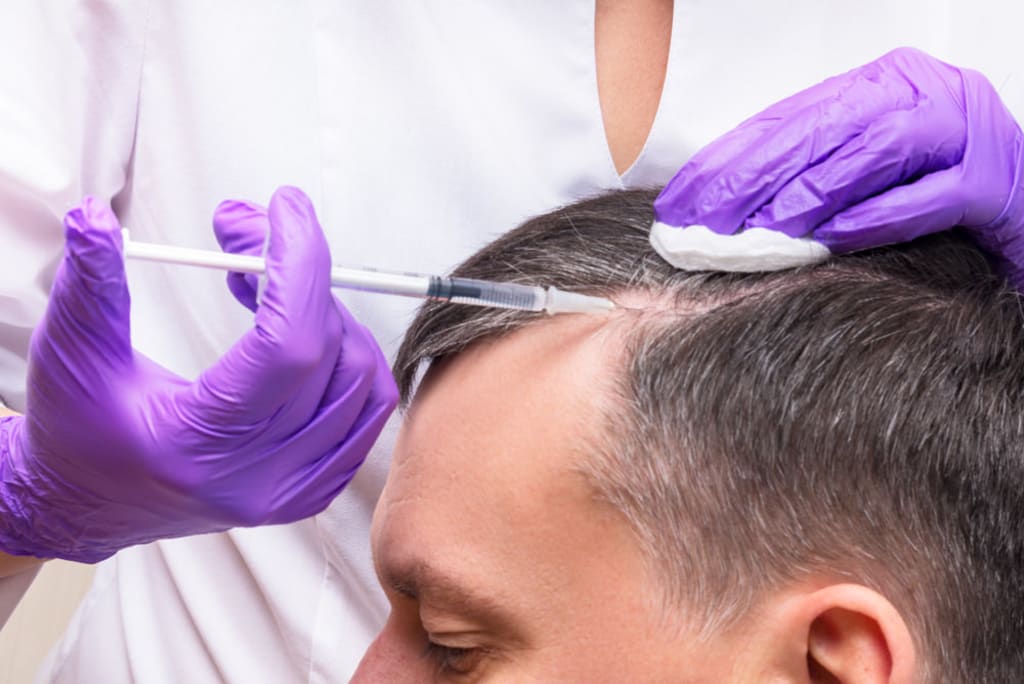
Hair loss is a common problem that affects millions of people around the world. While there are a variety of treatments available, one of the most effective is PRP (platelet-rich plasma) hair treatment. PRP is a minimally invasive procedure that uses the patient’s own plasma to stimulate hair growth. It is a safe and natural way to promote hair growth, and it can be used in combination with other treatments such as hair transplants.
Before deciding whether PRP hair treatment is right for you, it is important to understand the procedure and consider the following 12 points:
1. What is PRP Hair Treatment?
PRP hair treatment is a type of therapy that uses the patient’s own blood plasma to stimulate hair growth. The procedure begins with a blood draw, after which the plasma is separated and injected into the scalp. The platelets in the plasma contain growth factors that are believed to stimulate hair follicles and promote hair growth.
2. Who is a Good Candidate for PRP Hair Treatment?
PRP hair treatment is a good option for those who are experiencing hair loss. It is especially beneficial for those who have thinning hair, receding hairlines, and balding spots. It is important to note that PRP is not a cure for genetic hair loss, such as male-pattern baldness.
3. Is PRP Hair Treatment Safe?
Yes, PRP hair treatment is a safe procedure. It is minimally invasive and does not require any surgery. The procedure is performed in a clinical setting, and the patient is given a local anesthetic to reduce any discomfort.
4. How Many Treatments Will I Need?
The number of treatments needed depends on the severity of the hair loss and the patient’s desired results. Generally, three to four treatments are recommended, spaced four to six weeks apart.
5. How Long Does Each Treatment Take?
Each PRP hair treatment session takes about an hour. This includes the time it takes to draw the patient’s blood, separate the plasma, and inject the plasma into the scalp.
6. What Results Can I Expect?
The results of PRP hair treatment vary from patient to patient. Generally, patients can expect to see thicker, healthier hair within three to four months of their first treatment.
7. Are There Any Side Effects?
PRP hair treatment is generally safe and does not have any major side effects. Some patients may experience redness, swelling, or itching at the injection site. These side effects are usually mild and should resolve within a few days.
8. How Long Will the Results Last?
The results of PRP hair treatment are typically long-lasting. However, it is important to note that the results may not be permanent. Some patients may need to have additional treatments to maintain their desired results.
9. Are There Any Risks Involved?
The risks associated with PRP hair treatment are minimal. As with any medical procedure, there is a small risk of infection, bleeding, or an allergic reaction.
10. What Can I Do to Help Ensure the Best Results?
To help ensure the best results from PRP hair treatment, it is important to follow your doctor’s instructions. This includes avoiding alcohol and anti-inflammatory medications for at least two weeks before and after the procedure.
11. Where Can I Find a Qualified Provider?
It is important to find a qualified provider when considering PRP hair treatment. The best way to do this is to ask friends, family, or your primary care doctor for a referral. You can also search for qualified providers online.
PRP hair treatment is a safe and effective way to promote hair growth and restore a natural, healthy look. Before deciding whether PRP is right for you, it is important to consider the points outlined above and speak with a qualified provider. Monroe Medical Center provide state-of-the-art PRP hair treatment in Dubai at affordable cost. With the right information and preparation, you can make an informed decision and get the best results from PRP hair treatment.
About the Creator
Enjoyed the story? Support the Creator.
Subscribe for free to receive all their stories in your feed.
Comments
There are no comments for this story
Be the first to respond and start the conversation.