
Preventing Chipped Tooth Pain: Best Practices for Oral Health
Preventing Chipped Tooth Pain
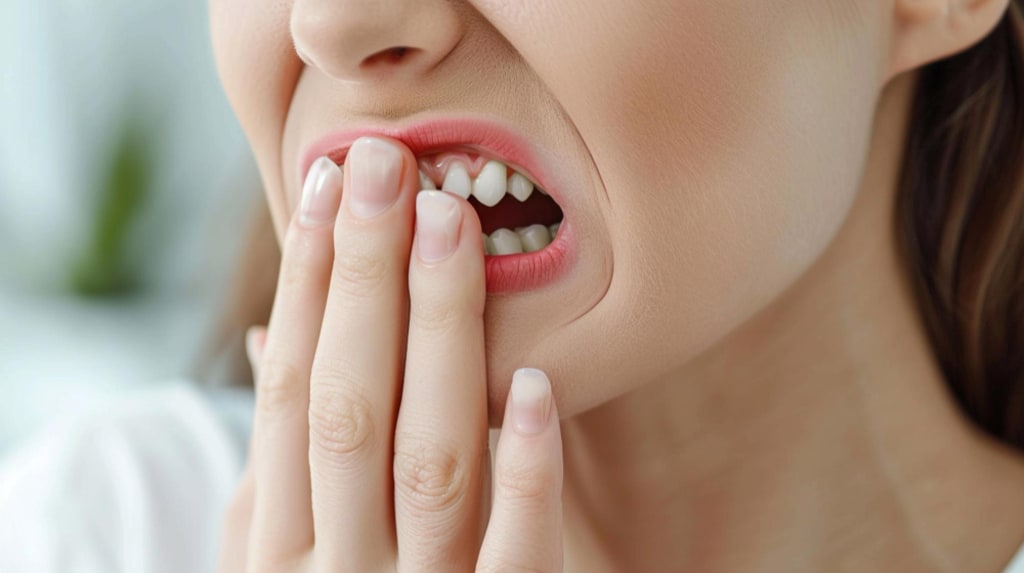
Whenever we get a chip in the tooth, it is always painful and such incidences occur at the most undesirable time. This can be as a result of a chewing accident, a sports mishap or a simple slip and a fall, a chipped tooth is painful, sensitive and if not dealt with could actually cause an infection.
Luckily, there are things that you can do to avoid chipped tooth pain and promote oral health. Well, in this blog, we will consider the measures that can be taken to preserve and maintain healthy teeth and just in case, ways of handling a chipped tooth.
1. Wear a Mouthguard During Physical Activities
Sports or any other physical related activities is one of the top reasons that many people report chip teeth. Using a mouth guard especially when practicing contact sports such as basketball, hockey or skate boarding strongly reduces the possibility of a tooth injury. Boil-and-bite mouth protectors are definitely superior to stock: sleeping with any mouth guard is still superior to no mouth guard at all.
2. Avoid Chewing Hard Foods
There are certain products that are especially dangerous for people with sensitive teeth – these are such foods as hard candies, ice, and popcorn kernels that have not popped. Consuming such substances leaves your teeth yielded to a lot pressure, which poses a big danger of breaking. If you feel the urge of snacking on something crispy, go for carrots or perhaps nuts and not things that are unhealthy.
3. Strengthen Your Teeth with Fluoride
Fluoride is essential for keeping teeth strong and resistant to damage. Make sure to use a fluoride toothpaste and drink fluoridated water if available. If you’re prone to cavities or chipped teeth, your dentist may recommend additional fluoride treatments during your routine visits.
4. Address Grinding or Clenching (Bruxism)
Grinding or clenching your teeth, especially at night, can weaken them over time, making them more susceptible to chips and fractures. If you suspect you grind your teeth, talk to your dentist about getting a custom-made night guard. This simple device can protect your teeth and prevent further damage.
5. Maintain Regular Dental Checkups
Routine dental visits are key to preventing chipped teeth. Your dentist can detect early signs of wear, small fractures, or weak spots in your enamel before they develop into larger issues. Early intervention can save you from more serious dental problems down the road.
6. Strengthen Your Diet
What you eat impacts your oral health. Foods rich in calcium and vitamin D, such as dairy products, leafy greens, and fortified cereals, help strengthen tooth enamel. A strong enamel acts as a barrier against damage, reducing the risk of chipping or fracturing.
7. Practice Good Oral Hygiene
Since the primary organs of the teeth are essential in human beings’ body, brushing and flossing should be done daily. Foods can also lead to plaque accumulation and gradual thinning of the enamel’s exterior, or dental veneers making your teeth more susceptible to chipping. Proper brushing also helps in removing the plaque and a proper flossing takes care of the structure of the teeth.
What to Do If You Chip a Tooth
Even with the best practices in place, accidents happen. If you chip a tooth, follow these steps:
• Next required for you to rinse your mouth with warm water to ensure that the area of surgery is clean.
• For those who feel pain it’s advisable to apply a cold compress to reduce swelling.
• If you have a chipped tooth that has sharp edges that are painful, you can cover them with dental wax or sugarless gum.
• Maybe it is high time that you visit a dentist. This depends on the extent of the chip, your dentist may advise you to do bonding, veneer or even crown in this aspect.
Conclusion
Preserving strong, healthy teeth is more important for preventing chipped teeth pain than merely avoiding accidents. Chipping and associated pain can be greatly decreased by maintaining proper oral hygiene, avoiding hard meals, and shielding your teeth when engaging in vigorous activity. To preserve your smile, be proactive with your dental care and don't forget to see your dentist on a regular basis!
About the Creator
Enjoyed the story? Support the Creator.
Subscribe for free to receive all their stories in your feed.
Comments
There are no comments for this story
Be the first to respond and start the conversation.