
Preserving the Golden Age: The Enduring Legacy of Brenda Loew
A Life Dedicated to Classic Film, Cultural Preservation, and Storytelling

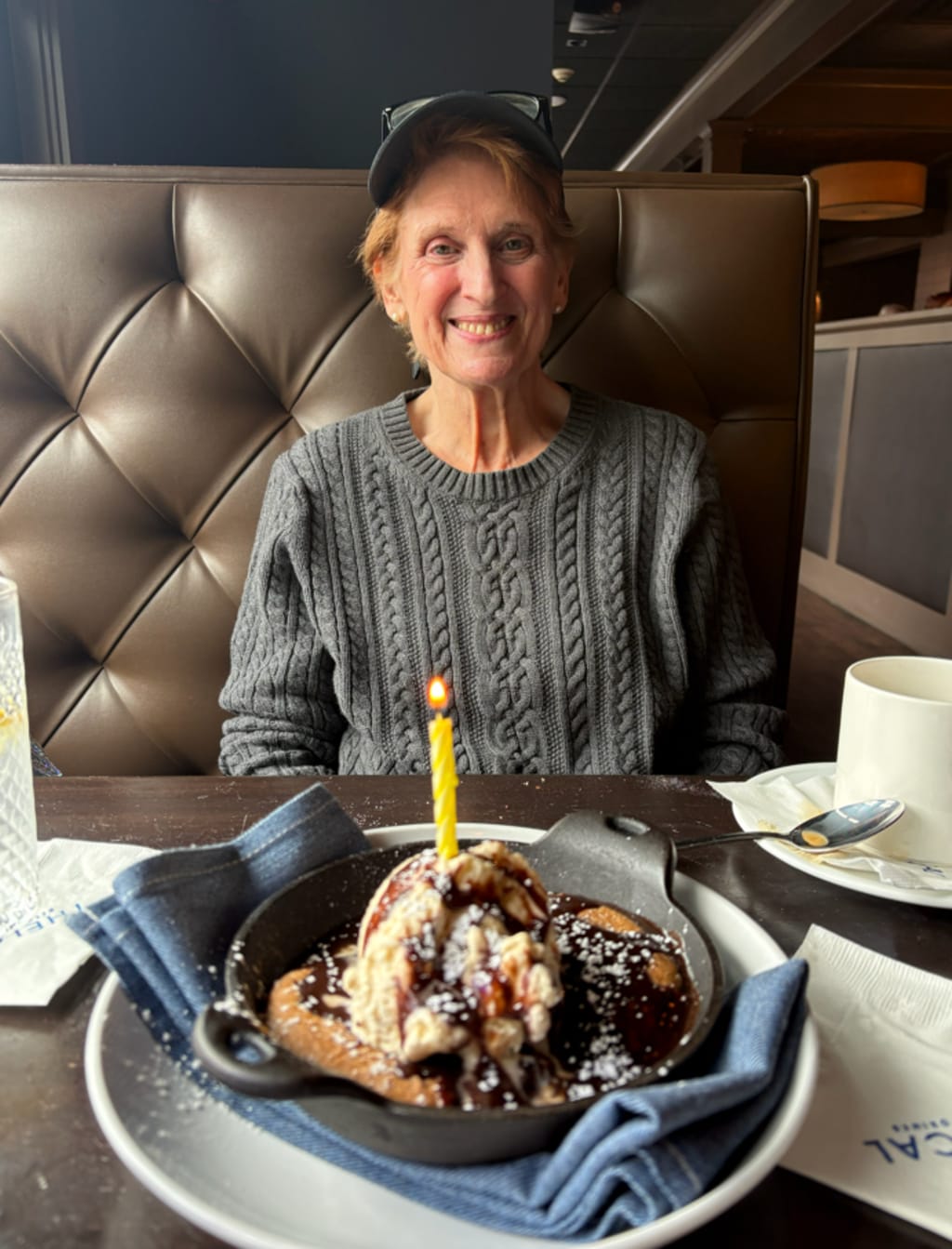
In an era dominated by digital streaming and rapidly evolving entertainment trends, the preservation of classic cinema remains a vital cultural endeavor. Among the passionate individuals leading this effort is Brenda Loew, a historian, author, and advocate for early film heritage. Through her work as the founder and president of the New England Vintage Film Society, Inc., Loew has dedicated her life to ensuring that the artistry and significance of early Hollywood are not forgotten.
Brenda Loew’s journey into the world of classic film is deeply rooted in both personal passion and family legacy. As the great-niece of E. M. Loew, a prominent theater chain owner and entertainment mogul, she grew up with a connection to the golden age of cinema that few can claim. Her great-uncle’s influence in shaping theatrical exhibition across the eastern United States left a lasting impression, inspiring her to carry forward that legacy in her own unique way.

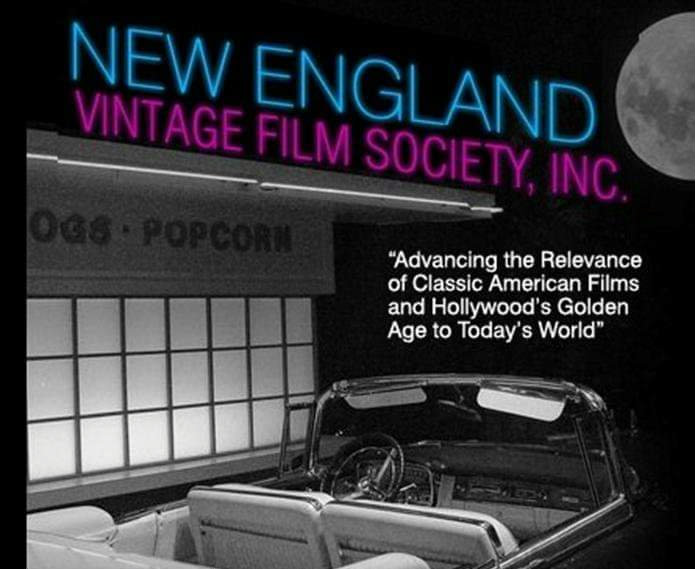
Rather than pursuing commercial success within the modern entertainment industry, Loew chose a different path one focused on education, preservation, and storytelling. She established the New England Vintage Film Society as a platform to celebrate and share classic films with contemporary audiences. Through curated screenings, lectures, and community programs, the organization fosters a renewed appreciation for the artistry of early cinema, particularly among audiences who may not have otherwise encountered these works.
Loew’s work extends far beyond organizing film screenings. She is also a respected author and editor, contributing significantly to the study of early Hollywood history. Her books, including Spencer Tracy, Fox Film Actor: The Pre-Code Legacy of a Hollywood Legend and Playbills to Photoplays: Stage Performers Who Pioneered the Talkies, demonstrate her commitment to uncovering and documenting lesser-known aspects of film history. These works highlight the transitional period when stage actors adapted to the emerging medium of sound film, offering valuable insights into a transformative era in entertainment.

What sets Loew apart as a writer is her ability to blend academic research with engaging storytelling. Rather than presenting history as a static collection of facts, she brings it to life through narratives that emphasize the human experiences behind the evolution of cinema. Her writing invites readers to explore the challenges, innovations, and cultural shifts that defined early filmmaking, making her work accessible to both scholars and general audiences alike.
In addition to her literary contributions, Loew is an active lecturer, frequently speaking at libraries, educational institutions, and community centers. Her presentations often feature carefully curated memorabilia displays, which provide a tangible connection to the past. These exhibits serve as a bridge between generations, allowing audiences to experience the visual and cultural richness of classic films in a more immersive way.
Her involvement with the National Academy of Television Arts and Sciences further underscores her dedication to the broader media landscape. This affiliation reflects not only her expertise but also her commitment to maintaining high standards of excellence in storytelling and media preservation. Through her work, she contributes to a larger conversation about the importance of safeguarding cultural heritage in an age where content is often consumed and discarded at a rapid pace.
Recognition of Loew’s contributions has come in various forms, including prestigious awards that honor her lifelong dedication to the arts and humanities. These accolades are a testament to the impact of her work, but they also highlight a broader truth: the preservation of cultural history relies on individuals who are willing to invest time, effort, and passion into keeping it alive.
One of the most compelling aspects of Loew’s career is her ability to connect with diverse audiences. Whether she is addressing retirees in a community center or engaging with students in an educational setting, her enthusiasm for classic film is both evident and infectious. She does not simply present information; she creates experiences that inspire curiosity and appreciation.

In a world where technological advancements continue to reshape how stories are told and consumed, the importance of preserving historical context cannot be overstated. Classic films are more than just entertainment; they are reflections of the social, cultural, and artistic values of their time. By dedicating her career to their preservation, Brenda Loew ensures that these stories remain accessible and relevant for future generations.
Her work also serves as a reminder that cultural preservation is not solely the responsibility of institutions or governments. Individuals can play a significant role in safeguarding history, whether through research, education, or community engagement. Loew’s example demonstrates how passion, when combined with dedication, can lead to meaningful and lasting contributions.
Ultimately, Brenda Loew’s legacy is one of connection connecting past and present, connecting audiences with history, and connecting stories with the people who continue to learn from them. Through her efforts, the golden age of cinema is not merely remembered; it is celebrated, studied, and kept alive.
As audiences continue to navigate an ever-changing entertainment landscape, the work of individuals like Brenda Loew becomes increasingly important. Her commitment to preserving the art and history of classic film ensures that the stories of yesterday continue to inspire the storytellers of tomorrow.
About the Creator
Enjoyed the story? Support the Creator.
Subscribe for free to receive all their stories in your feed.
Comments
There are no comments for this story
Be the first to respond and start the conversation.