
Physical Exams Made Simple: What to Expect at an Urgent Care Clinic
A guide to understanding routine, school, sports, and employment physical exams at urgent care clinics. Modern life can become hectic very quickly, making it difficult to prioritize preventive healthcare. Between work schedules, school activities, sports commitments, and family responsibilities, many people delay scheduling important medical appointments. One of the most commonly postponed healthcare visits is the routine physical exam. However, regular physicals play an important role in maintaining long-term wellness and identifying potential health concerns before they become more serious. Fortunately, urgent care clinics have made physical exams more convenient and accessible for individuals and families. Whether someone needs a school physical, sports clearance, annual wellness check, or employment exam, urgent care centers often provide fast and efficient services with walk-in availability and extended hours. Understanding what happens during a physical exam and why these visits matter can help patients feel more prepared and confident about taking care of their health.
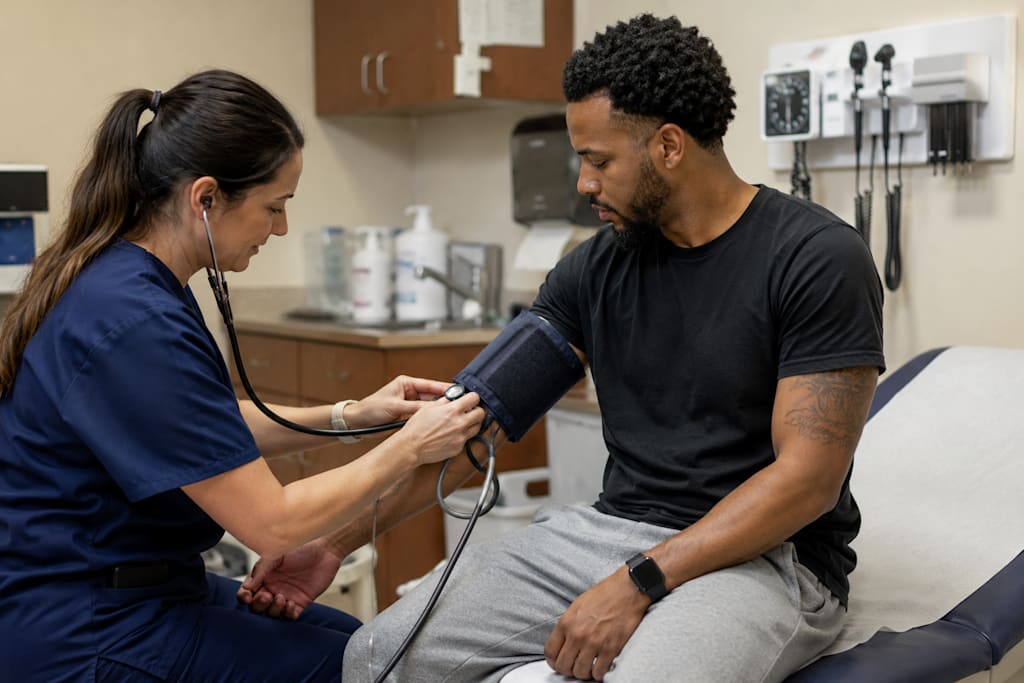
Life gets busy, and scheduling a physical exam with a primary care doctor can sometimes take weeks. Whether you need a school physical, sports clearance, employment exam, or an annual wellness check, urgent care clinics have become a convenient option for fast and reliable healthcare services.
Walk-in urgent care centers make it easier for patients to receive physical exams without long appointment delays. Same-day visits and extended hours help individuals stay on top of their healthcare needs while completing important school, sports, or workplace requirements.
Why Physical Exams Matter
A physical exam is a routine medical evaluation performed by a healthcare provider to assess a person’s overall health and wellness. Physicals are designed to identify possible medical concerns, evaluate current health conditions, and ensure that an individual is physically capable of participating in certain activities or job duties.
The exact components of a physical exam may vary depending on the patient’s age, medical history, and the reason for the visit. Some physicals focus mainly on preventive care, while others are required for sports participation, employment, or school enrollment.
Routine physicals may include:
- Review of medical history
- Blood pressure and vital signs check
- Heart and lung evaluation
- Height and weight measurements
- Vision or hearing screening
- Preventive health discussions
Depending on the purpose of the visit, some exams may also include lab work, vaccinations, or additional documentation.
What Happens During a Routine Physical?
Many people feel uncertain about what to expect during a physical exam, especially if they have not had one in several years. In most cases, the process is simple, straightforward, and relatively quick.
A routine physical may include:
Vital Signs Check
Healthcare providers usually begin by checking basic vital signs, including:
- Blood pressure
- Heart rate
- Body temperature
- Respiratory rate
- Oxygen levels
These measurements can provide important insights into overall health and help identify early warning signs of medical issues.
Height and Weight Measurements
Height, weight, and body mass index (BMI) are often recorded to evaluate general wellness and identify possible concerns related to nutrition or weight management.
Heart and Lung Examination
Providers may listen to the heart and lungs using a stethoscope to check for irregular heartbeats, breathing abnormalities, or other potential concerns.
Vision and Hearing Screening
Some physical exams include vision or hearing assessments, particularly for school, sports, or employment requirements.
Abdominal and Musculoskeletal Evaluation
The provider may examine the abdomen, joints, posture, flexibility, and overall movement to ensure there are no noticeable physical limitations or concerns.
Preventive Health Discussions
Routine physicals also provide an opportunity to discuss:
- Nutrition habits
- Exercise routines
- Sleep quality
- Stress management
- Vaccination status
- Preventive screenings
These conversations can help patients make healthier lifestyle choices and stay proactive about their well-being.
Common Types of Physical Exams
Urgent care clinics often provide several types of physical examinations to meet different patient needs.
Annual Wellness Physicals
Routine wellness exams help monitor overall health and may detect issues before they become more serious.
School and Sports Physicals
Students participating in athletics or school activities often need physical clearance forms completed before participation.
Employment and Occupational Physicals
Employers may require physical exams before hiring, after injuries, or before returning to work, especially in physically demanding fields.
DOT Physical Exams
Commercial drivers are often required to complete Department of Transportation (DOT) physical exams to maintain certification and meet federal safety standards.
Benefits of Visiting Urgent Care for a Physical
Urgent care clinics continue to grow in popularity because they offer convenience and flexibility for patients with busy schedules.
Some key advantages include:
- Walk-in availability
- Extended evening and weekend hours
- Faster visit times
- Same-day paperwork completion
- Access to on-site lab testing and imaging services
These features can help patients complete required exams efficiently without waiting weeks for an appointment.
What to Bring to Your Appointment
Preparing ahead of time can make the process smoother and faster. Patients are often encouraged to bring:
- A valid photo ID
- Insurance information, if applicable
- A list of current medications
- Relevant medical history documents
- Required school, sports, or employment forms
Having these items ready may help reduce delays during the visit.
When Should You Schedule a Physical?
Even if you feel healthy, regular physical exams play an important role in preventive healthcare. Annual checkups may help detect conditions like high blood pressure, diabetes, or cholesterol issues before symptoms become noticeable.
Children, teens, and adults alike can benefit from staying current with routine wellness exams and required screenings.
Final Thoughts
Physical exams are an important part of maintaining long-term health and wellness. Whether you need a routine checkup, a sports clearance, or a work-related examination, urgent care clinics provide a convenient and accessible option for many patients.
With walk-in availability, flexible scheduling, and comprehensive exam services, urgent care centers help individuals receive the care they need while minimizing disruptions to their daily routines.
About the Creator
8-2-8 Urgent Care
8-2-8 Urgent Care, based in Oceanside, California is state-of-the-art urgent care and walk-in clinic that provides immediate medical care to all your regular healthcare needs.
Enjoyed the story? Support the Creator.
Subscribe for free to receive all their stories in your feed.
Comments
There are no comments for this story
Be the first to respond and start the conversation.