
Periods and Menstrual Products: A Comprehensive Guide
Understanding Your Cycle and Choosing the Right Products for You

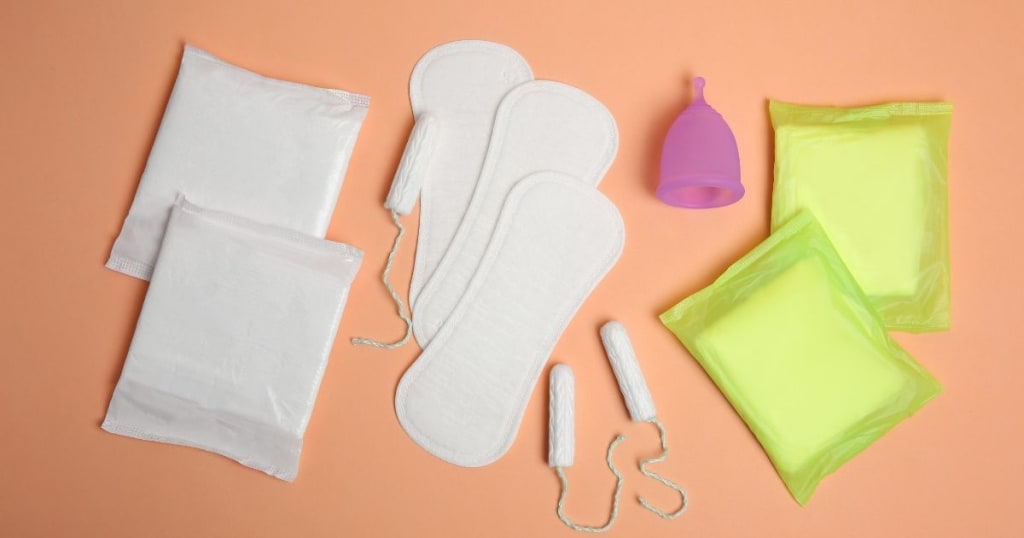
Menstruation, commonly called periods, is a natural biological process experienced by women. Typically occurring every 21 to 35 days, menstruation causes the shedding of the uterine lining when a woman is not pregnant. Although it’s a universal experience, periods are least discussed and surrounded by a myriad of taboos and misinformation. Even many girls and women are unaware of the advancements made in the field of menstruation products and how those can help them. This is vital to spread the information and empower the woman.
Types of Menstrual Products
Managing periods involves choosing the right menstrual product for lifestyle, flow, and comfort. Here's a look at the different types of menstrual products available:
1. Sanitary Pads
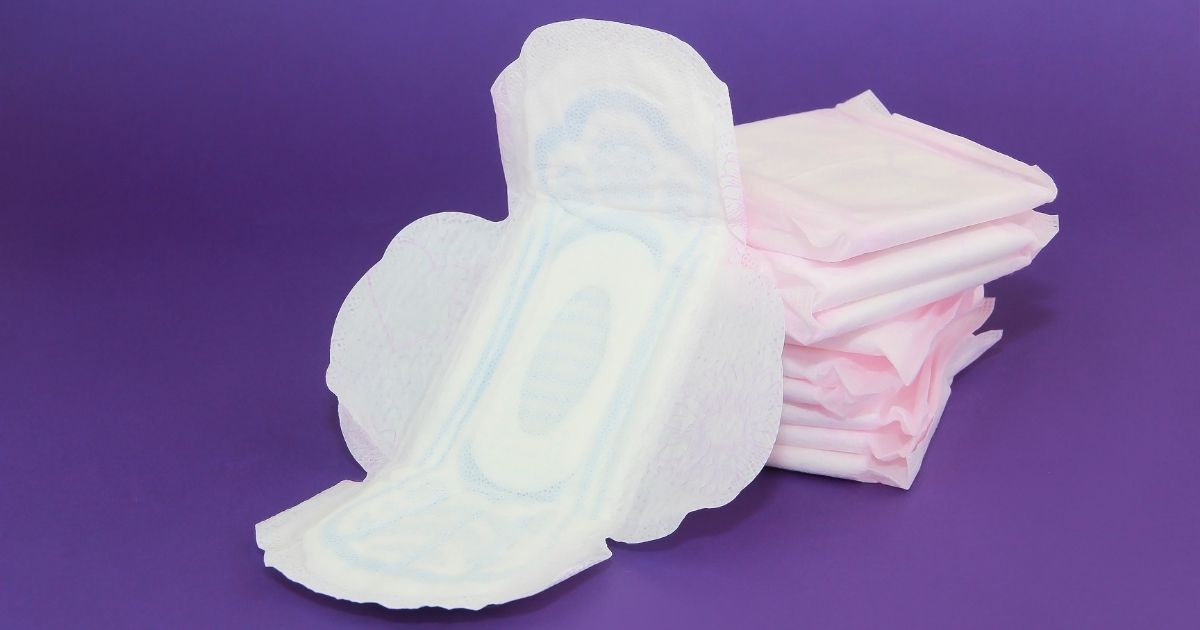
The most commonly used period products are sanitary or menstrual pads or napkins. They are made from layers of absorbent material and worn externally. They need to be glued to the underwear to absorb menstrual blood. Pads are available in various sizes, thicknesses, and absorbency levels. You select the sanitary pad based on your requirements.
Advantages:
- It is easy to use.
- It is easy to dispose of.
- It is readily available in the stores.
- It suits women who do not want to insert products into the body.
Disadvantages:
- It can feel bulky or uncomfortable for some.
- The risk of leaks is significant if it is not changed frequently.
- Generates a substantial amount of waste due to single-use nature.
2. Tampon
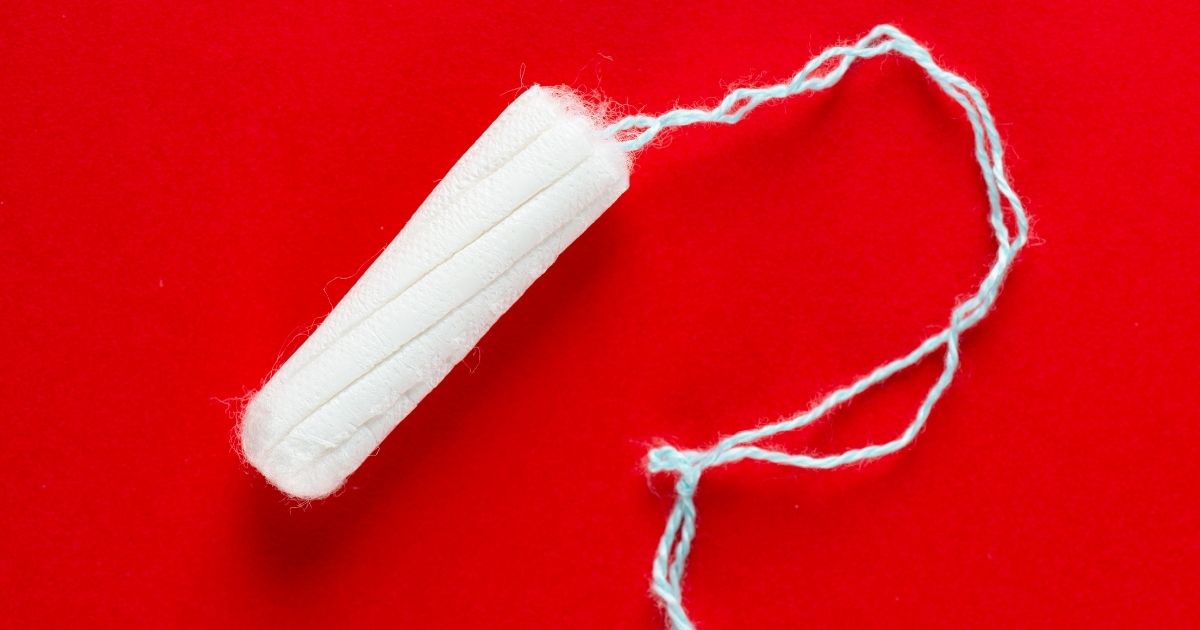
Tampons are small, cylindrical products made of absorbent material. They are inserted into the vagina to absorb menstrual blood. They come in various sizes and absorbency levels to suit different flow intensities. Some tampons come with applicators to help with insertion.
Advantages:
- It is discreet and easy to carry.
- It allows for more freedom in activities such as swimming or sports.
- It reduces the risk of visible leaks.
Disadvantages:
- It needs to be changed every 4-8 hours to prevent toxic shock syndrome (TSS), a rare but serious bacterial infection.
- Inserting tampons can be uncomfortable for some.
- It is not environmentally friendly unless organic, biodegradable options are used.
3. Menstrual Cup
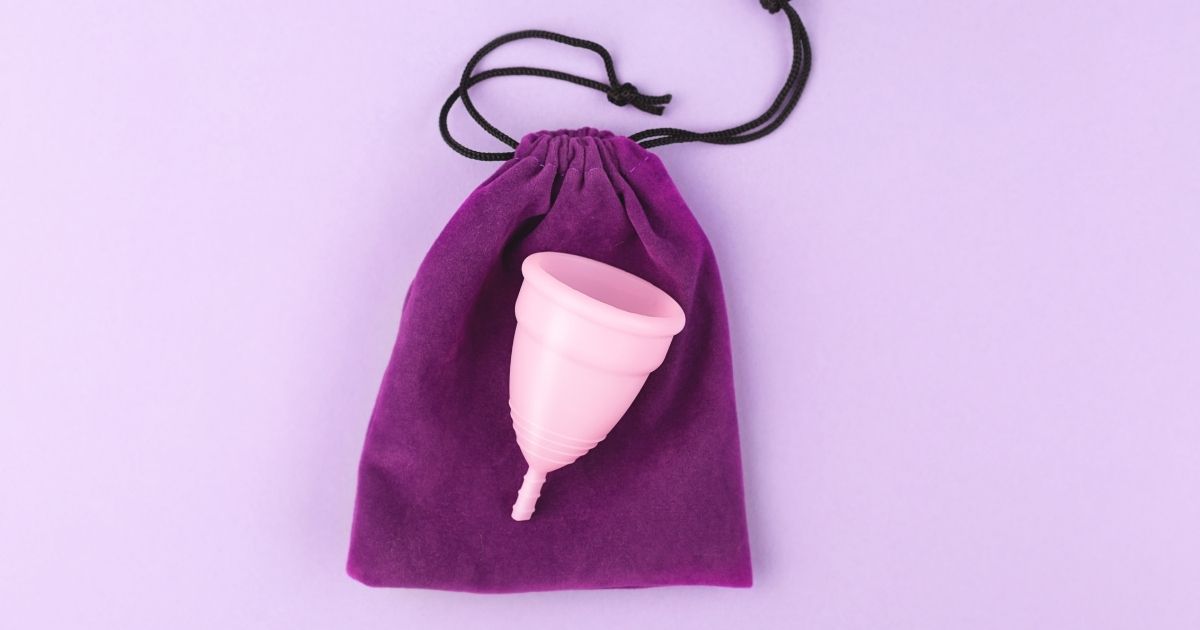
Menstrual cups are flexible, bell-shaped cups. It is made from medical-grade silicone, rubber, or latex. Like the tampons, they are also inserted into the vagina. It collects the menstrual blood rather than absorbing it. It is one of the eco-friendly options available in the market and can be used for several years.
Advantages:
- It is reusable and eco-friendly.
- It can be worn for up to 12 hours, making it ideal for people with heavy flows.
- It is a cost-effective option.
Disadvantages:
- It requires practice to insert and remove correctly.
- Some people may find it uncomfortable to use.
4. Menstrual Discs
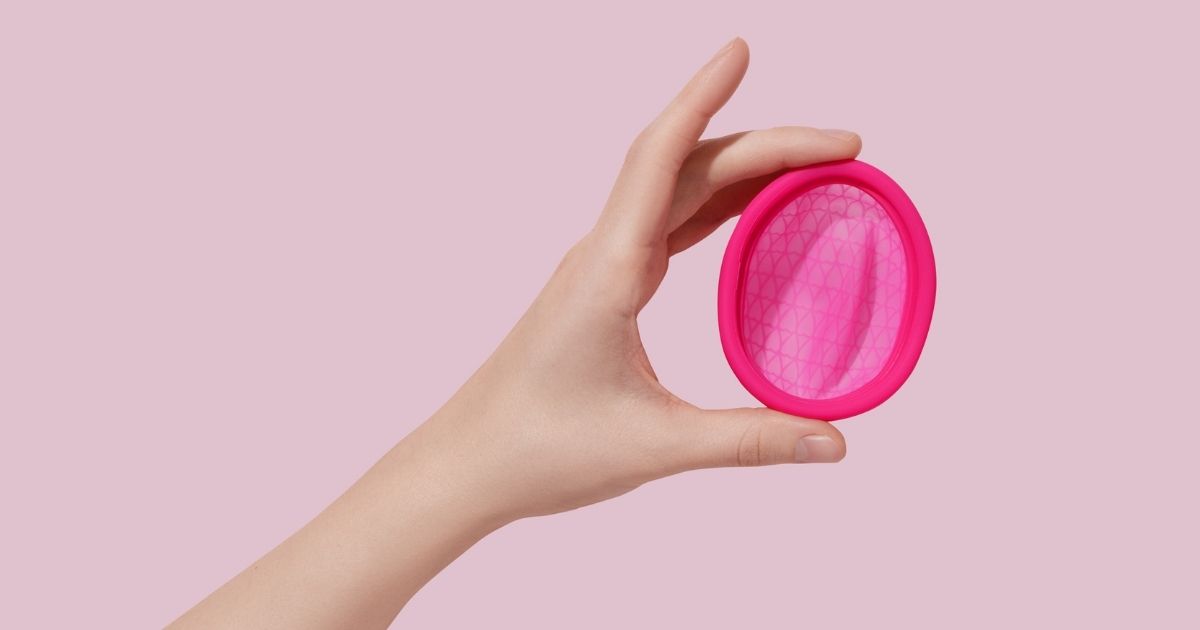
Menstrual discs are similar to menstrual cups but sit higher in the vaginal canal, just below the cervix. Depending on the brand, they are designed to collect menstrual blood and are disposable or reusable.
Advantages:
- It can be worn for up to 12 hours.
- Suitable for heavy flows and allows for sexual intercourse while wearing.
- Some find them more comfortable than cups due to their placement.
Disadvantages:
- Insertion can be tricky for beginners.
- Limited availability compared to other menstrual products.
- It can be messier to remove than tampons or pads.
5. Period Underwear
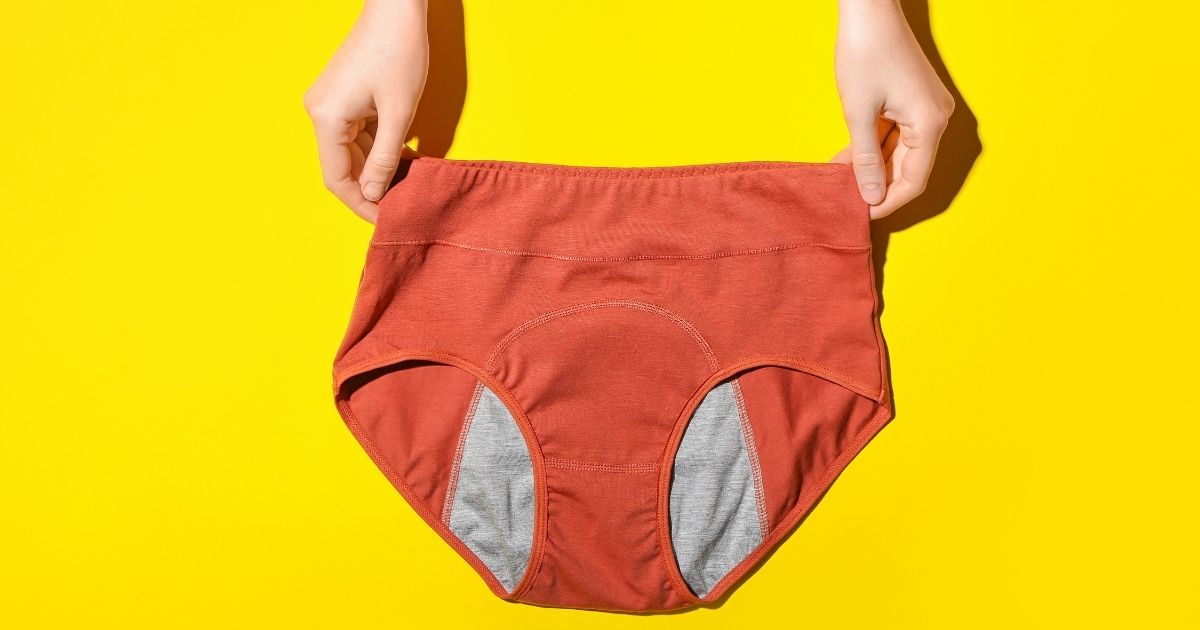
Period underwear is designed with built-in absorbent layers that can hold menstrual blood. It is worn just like regular underwear but can replace pads, tampons, or cups for individuals with lighter flows or be used as backup protection for heavy flow days. This product is not only comfortable and easy to use but also provides peace of mind as there is no need to change products throughout the day, ensuring a sense of comfort and ease.
Advantages:
- Comfortable and easy to use.
- Reusable and eco-friendly.
- Provides peace of mind as there is no need to change products throughout the day.
Disadvantages:
- Needs to be washed between uses, requiring multiple pairs.
- Only suitable for heavy flow if paired with other products.
- The initial cost is higher than disposable options.
6. Cloth Pads
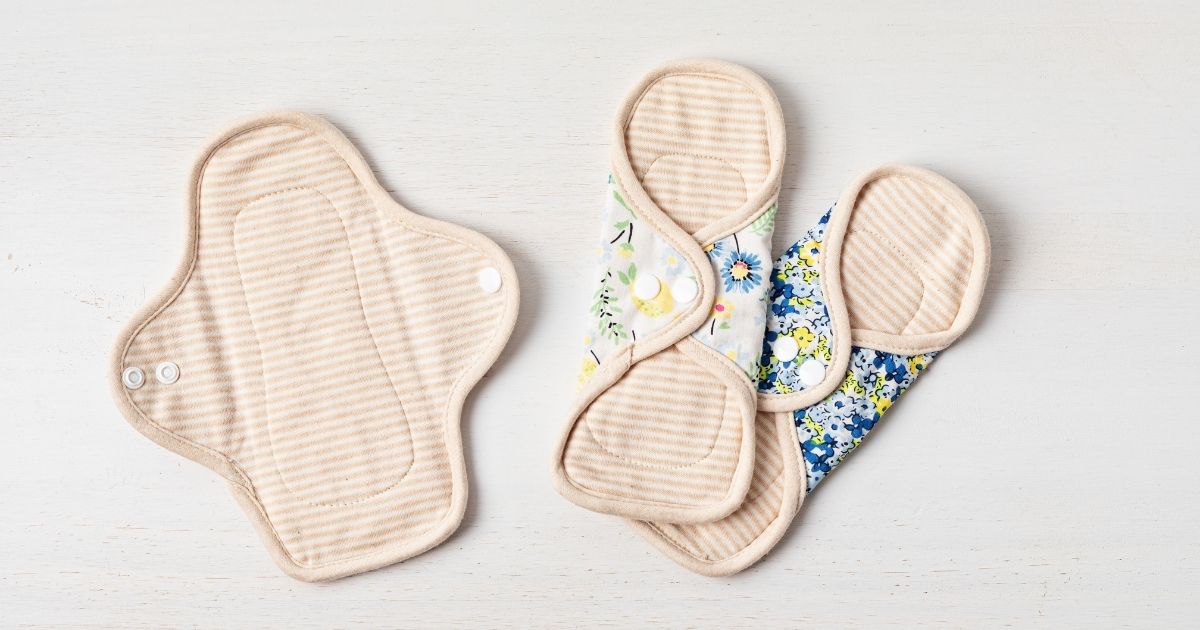
Cloth pads are the most widely used reusable sanitary pads. They are washable and come in different shapes, sizes, and absorbency levels.
Advantages:
- Reusable and environmentally sustainable.
- Gentle on the skin, reducing the risk of irritation.
- Cost-effective over time.
Disadvantages:
- Requires washing and maintenance.
- It can feel bulky for some users.
- It's not as convenient for travel or long days out.
Choosing the Right Product
Every woman has different requirements. So, choose the menstrual product based on your needs. When choosing, it's also essential to consider factors like sustainability, comfort, flow intensity, and ease of use. Remember, selecting the right product is also a crucial part of menstrual hygiene. So, opt for the product as per your need, rather comparing getting influenced by others.
Conclusion
Periods are a natural and essential part of woman reproductive health. It is vital to select the right product to manage them effectively. Lastly, there is nothing to be shy of while speaking about periods, it’s products and importance of menstrual hygiene. Let’s spread awareness for better feminine health. eco-friendliness of menstrual cups, or the comfort of period underwear, understanding your body and your options can help you have a more positive and stress-free period experience.
About the Creator
Shreya Mitra
Shreya Mitra is a health writer with a passion for making medical information easy to understand. With a background in health communication, she shares insights on heart, mental health, and women's health. My health articles on Medium.
Enjoyed the story? Support the Creator.
Subscribe for free to receive all their stories in your feed.
Comments
There are no comments for this story
Be the first to respond and start the conversation.