
Parkinson’s Treatment Revolution: The Role Of Advanced Neurosurgery
How Cutting-Edge Neurosurgical Techniques Are Changing Parkinson’s Care

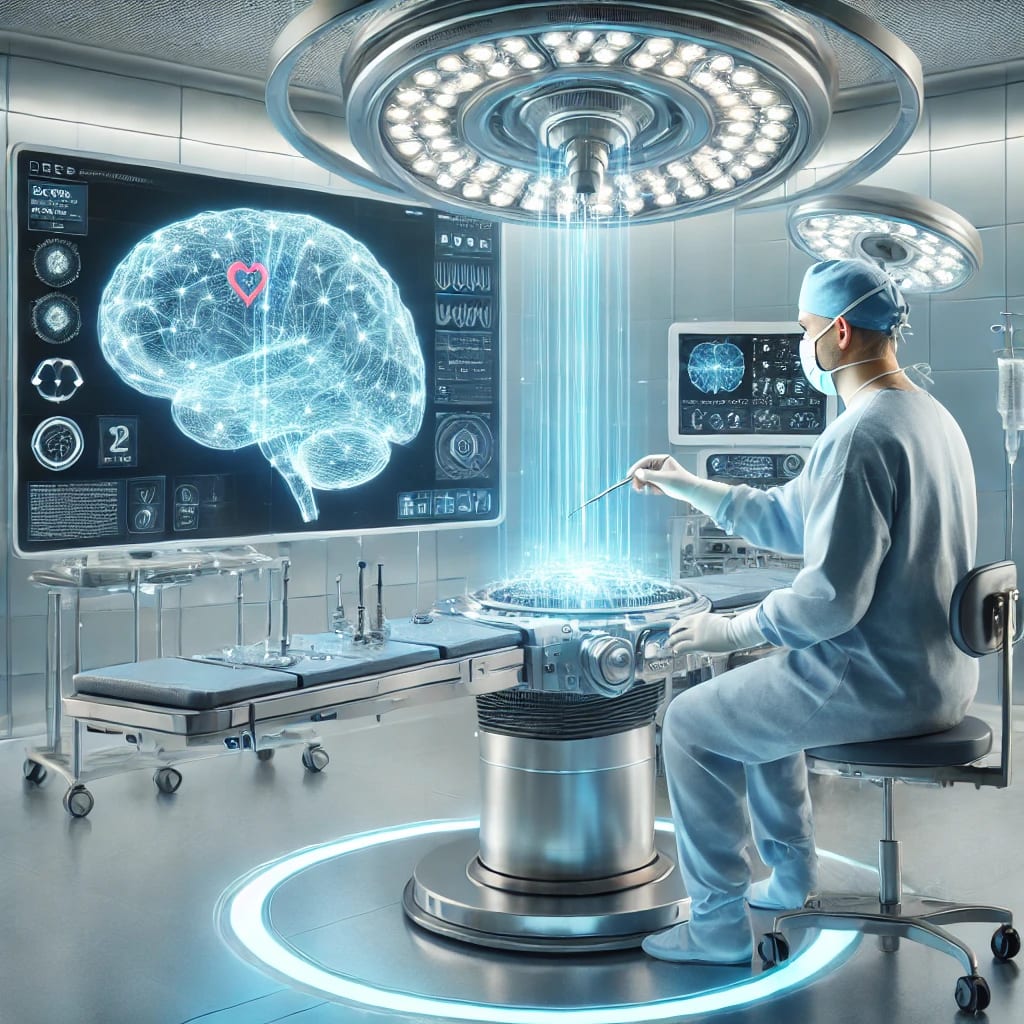
For a long time, people have recognized Parkinson's disease (PD) as a progressive neurological disorder that primarily impairs motor control, causing symptoms such as tremors, rigidity, bradykinesia (slow movement), and postural instability. As the aging population around the world grows, the prevalence of Parkinson's disease increases further, necessitating an increase in the treatment measures. For decades, pharmacological treatment has been the foundation of treating Parkinson's disease. However, neurosurgical advanced techniques have given Parkinson's disease treatment a revolution in its field. Therefore, patients gain hope, which can give them more than medications alone.
Understanding Parkinson's Disease
Degeneration of dopaminergic neurons in the brain, particularly in the substantia nigra region crucial for smooth and controlled movements, characterizes Parkinson's disease. The loss of dopamine in this area leads to the hallmark motor symptoms of PD. Researchers believe that a combination of genetic and environmental factors contribute to the development of Parkinson's disease, despite the lack of a clear cause. Researchers have not found a cure for Parkinson's disease, and their treatment primarily focuses on symptomatic management to enhance quality of life.
The most common treatments for symptoms are medications, such as levodopa, which the brain converts to dopamine, but they tend to lose their effectiveness over time. Patients may then experience motor fluctuations, or "wearing-off" periods, where the medication's effectiveness decreases, and the symptoms worsen. Some patients also develop side effects from medications, such as dyskinesias, or involuntary movements. This has provided an impetus to seek even more targeted and sustainable therapies; thereby, an area for neurosurgical interventions has emerged.
Neurosurgery's advancements have led to its increasing use in treating Parkinson's disease.
Advanced neurosurgery has emerged as a revolutionary alternative for patients with Parkinson's disease, which provides more effective symptom management when medication is no longer sufficient. Among the various surgical techniques currently used, deep brain stimulation (DBS) is the most popular. Other novel procedures are also under investigation to directly modulate brain activity in order to restore motor function and improve quality of life.
Deep Brain Stimulation (DBS)
Deep brain stimulation, a cutting-edge neurosurgical technique, has significantly transformed the treatment of Parkinson's disease in recent decades. DBS is the introduction of a small, thin electrode into a specific area of the brain, usually part of the subthalamic nucleus or the globus pallidus internus, structures critical to motor control. The electrode is connected to a small device known as a pulse generator, implanted under the skin near the clavicle. The pulse generator delivers continuous electrical stimulation to the targeted brain region, helping to regulate abnormal neural activity associated with Parkinson’s disease.
Many patients have found DBS to be very effective in improving their motor symptoms by reducing tremors, rigidity, and bradykinesia. DBS is unique in that it does not act through chemical alterations in the brain but instead influences neural circuits directly. The stimulation can "reset" abnormal electrical patterns in the brain, resulting in improved motor control. Furthermore, DBS allows for real-time adjustments, a level of flexibility that medication cannot provide.
One of the biggest benefits of DBS is its ability to minimize the dose of medication and consequently minimize the side effects associated with it, like dyskinesia. In most patients undergoing DBS, a decrease in medication dosage leads to a reduction in medication, better symptom control, and quality of life.
Despite its proven effectiveness, DBS surgery may not be suitable for every patient with Parkinson's disease. A team of professionals, including neurologists, neurosurgeons, and psychiatrists, conducts a comprehensive pre-procedure review for this surgery to identify patients who may benefit from this surgical procedure. Secondly, DBS does not arrest or reverse the course of Parkinson's disease; it only manages symptoms. Therefore, we must continue to maintain patients under medical management to control the underlying disease.
Focused Ultrasound
In recent years, a less invasive alternative to traditional neurosurgery has emerged: focused ultrasound. This new technique uses high-frequency sound waves to target and destroy specific areas of the brain that contribute to Parkinson's disease symptoms. Unlike DBS, which involves the implantation of a device, focused ultrasound relies on non-invasive, targeted energy to create thermal lesions in brain tissue.
Focused ultrasound has been promising in the treatment of essential tremors and Parkinson's disease, especially in patients who cannot be considered for surgery because of medical complications or other reasons. Under MRI guidance, surgeons can target the affected brain areas without the need for incisions or implants. Researchers have found that focused ultrasound significantly relieves tremors and other motor symptoms, making it a less invasive alternative to DBS.
However, research into the long-term efficacy and safety of focused ultrasound for Parkinson's treatment is still in its early stages. Despite its exciting potential, it has not gained as much traction as DBS and may not be suitable for all patients.
Gene Therapy and Stem Cell Research
Researchers are developing more recent therapies like gene therapy and stem cell transplantation to help with Parkinson's disease, in addition to DBS and focused ultrasound. They work to repair or regenerate the damaged brain tissue, as well as reinitiate dopamine production.
Gene therapy delivers genetic material into the brain to modify the function of cells and promote the production of dopamine. Some cases involve introducing genes encoding enzymes involved in dopamine synthesis into the brain to restore normal dopamine levels. Although early clinical trials have yielded promising results, further work is necessary before gene therapy can become a routine treatment for Parkinson's disease.
Stem cell research is more promising because it involves replacing the lost dopaminergic neurons by transplanting stem cells. Scientists are trying to develop techniques to differentiate stem cells into dopamine-producing neurons and implant them into the brains of Parkinson's patients. Although this approach is still considered experimental, encouraging outcomes from early studies have led researchers to continue refining the techniques and ensuring their safety and efficacy.
The Future of Neurosurgery in Parkinson’s Disease
Therefore, the future remains promising in the fields of neurosurgery and their understanding of disease management. We can envision improved surgical techniques, where deep brain stimulation, focused ultrasound, and genetic approaches are likely to evolve into more sophisticated medical treatments, catering to patients who require a personalized attack on the causes of their Parkinson's Disease complaints.
Furthermore, we anticipate that the integration of artificial intelligence and machine learning will significantly enhance surgical outcomes. Better preoperative planning, real-time monitoring during surgery, and post-surgical care can utilize AI to enhance accuracy and safety in neurosurgical interventions.
In the absence of a cure for Parkinson's disease, advanced neurosurgery continues to evolve, which brings new hopes to patients. It is apparent that, as the field advances, neurosurgery will become an integral part of the management of Parkinson's disease, enabling better and more personalized therapies for those afflicted with this challenging condition.
Conclusion
Parkinson's disease treatments have greatly improved thanks to neurosurgery. Among the emerging new techniques, these include deep brain stimulation and focused ultrasound, offering patients new treatment options for improved quality of life and symptom control. With greater research into newer possibilities, better treatments for the future of patients with Parkinson's disease are surely on the horizon. Perhaps the future will reveal even more dramatic solutions to this complex and debilitating disease through continued innovation and collaboration across disciplines.
If you or a family member are struggling with Parkinson's disease and want to look for advanced treatment, it is vital to see a specialist who could provide care on an individual level and advanced solutions. Dr. Chirag Solanki, one of the best neurosurgeons in Ahmedabad, offers extensive experience and expertise in neurosurgical treatments for Parkinson’s disease, including deep brain stimulation (DBS) and other innovative approaches. Dr. Solanki, known for his exceptional patient outcomes, is committed to enhancing quality of life by implementing customized, cutting-edge treatment plans.
About the Creator
Dr. Chirag Solanki
Dr. Chirag Solanki, a top neurosurgeon in Ahmedabad, specializes in advanced treatments for Parkinson's disease, movement disorders, and spine and brain conditions.
Enjoyed the story? Support the Creator.
Subscribe for free to receive all their stories in your feed.
Comments
There are no comments for this story
Be the first to respond and start the conversation.