
Palliative Care in Cancer: A Choice for Advanced Care and Support
Comprehensive Palliative Care in Cancer

Introduction
Palliative care or supportive care is a special treatment approach to help people with serious illnesses like cancer. It was first started in 1967 to improve the overall wellbeing and enhance the quality of life of such patients. Palliative care isn’t about just managing your symptoms. It focuses on improving the quality of life and ensures that you have the best experience during your treatment. Whether you need help with your physical symptoms of pain, emotional support, or any advice to go about your daily routine, palliative care is the answer to all your problems.
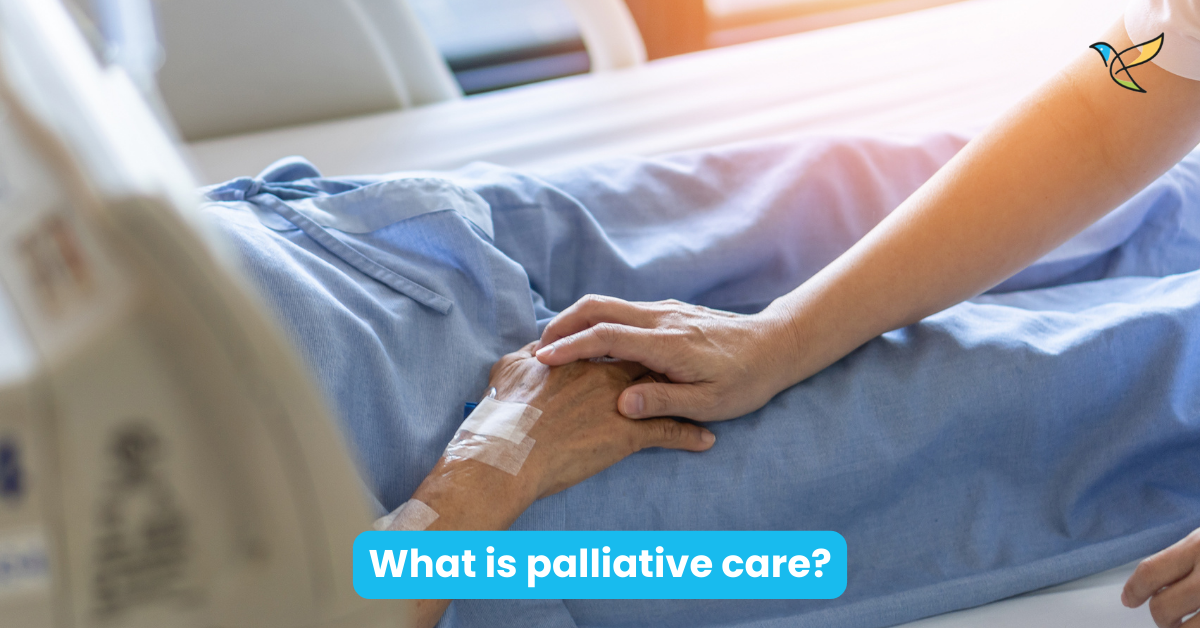
What is Palliative Care?
Palliative care is a medical therapy that focuses on the symptoms of your condition, your ongoing treatment, its results, and the stress of living with cancer.
A palliative care plan for cancer is structured based on the following:
Your Cancer Type: The treatment plan differs for each type of cancer. For example, a lung cancer patient may need additional help with breathing exercises, but a breast cancer patient may need help with body image issues.
Symptoms: Symptoms vary in type and intensity across different cancers. The treatment plan is designed considering symptom management.
Age: Palliative care is taken more positively in children and young adults. It focuses on improving quality of life. Adult palliative care focuses on mitigating suffering and improving quality of life or death.
Treatment Plan: Chemotherapy, radiotherapy, immunotherapy, etc, will require different types of care and support.
Prognostic Outcomes: In case of an early diagnosis, palliative care is given to help with the side effects of the illness and the treatment, but in case of terminal stages of cancer, it may be given to help make everyday life as comfortable as possible.

Major Goals of a Palliative Care Plan
The goals of a palliative care plan for cancer can include:
• Relieving symptoms as much as possible
• Reducing side-effects of the cancer as well as of the therapy
• Educating in detail about cancer and all possible outcomes
• Identifying any spiritual needs and ways to fulfil them
• Helping a patient contribute towards their treatment plan and making treatment decisions
• Assisting in coping with intense feelings and emotions related to the condition
• Finding and designating resources to provide support
Palliative Care Team
• A palliative care doctor/specialist
• Depending on your type of cancer, other specialist doctors include respiratory surgeons, psychiatrists, neurologists, cardiologists, etc.
• Nurses
• Counsellor
• Prosthetist
• Therapist
• Social worker
• Pharmacist
• Physiotherapist
• Occupational therapist
• Art or music therapist
• Dietician
• Priest if needed (for religious or spiritual concerns)
• Care volunteers
• Caregivers
5 Benefits of Receiving Palliative Care Across Your Cancer Journey
Improved Life Quality: The main objective of receiving palliative care is to improve all aspects of life when facing a serious condition. It also intends to support the near and dear ones and caregivers.
Support for Symptom Management: Palliative care specialists help in dealing with symptom relief and pain relief as much as possible, especially if you are in the advanced stages of cancer.
Low Risk of Depression: A study demonstrates that if you start palliative care in the early stages of diagnosis and treatment, the chances of developing depression are reduced effectively.
Longer Lifespan: The above study also establishes a link between depression and death, which may indirectly suggest that by tackling depression, palliative care can prolong life, especially in patients in later stages of cancer.
Decision-Making Support: A palliative care team can help you, your caregiver, and your family participate in the treatment plan and practise self-care. They also provide psychological and emotional support to deal with the diagnosis.

Communication and Advance Care Planning: Points to Remember
Once you decide you need palliative care, you can approach your healthcare provider for a referral to a palliative care team.
• The first step is to consult with the palliative care specialist so that a special care team can be set up according to your needs and requirements. It is always better to let your caregiver or a family member accompany you for the sessions.
• You should discuss your symptoms and treatment plans with your palliative care team, including how you wish to continue your treatment plan and the final outcome.
• Convey to your palliative care team your expectations for the future and how you want them to help you heal.
• Communicate how the diagnosis and the treatment you are undergoing affects your psychological, emotional, and social well-being.
• Inform them about any changes in your environment since the diagnosis, including the behaviour of family members.
• Inform how your diagnosis influences your everyday activities.
• A palliative care plan is not strict and can be modified at any stage of treatment. Any changes in the plan are generally made after consultation with you or your primary caregiver and doctor. It will also keep evolving as your treatment progresses.
• Your care plan can also be modified to include advanced care and end-of-life planning.
When to Receive Palliative Care for Cancer?
It is a common misconception that you need to wait till the later stages of cancer to receive palliative care. Children and young adults respond better to early palliative care than older adults. According to a study, receiving palliative care early results in a better standard of life than those who don't receive palliative care. Moreover, a meta-study conducted in 2018 demonstrated that people in the later stages of cancer lived longer when they received proper palliative care. Palliative care is advised as soon as immediately after the diagnosis, as the survival rate for cancer depends primarily on early detection.
Support for Caregivers and Family Members
Most times, family members/caregivers provide support to the patient at the cost of their well-being. Palliative care includes instructions, guidance, and support for family members/cancer caregivers. A palliative care plan for caregivers is aimed at:
• Assessment of the family member’s/caregiver's situation and needs
• Helping with referrals of appropriate services and resources
• Educating about practical, physical, and emotional aspects of caregiving
• Supporting family members/caregivers through bereavement
Takeaway
Palliative care in cancer is a multidisciplinary care plan that aims to improve the lives of those diagnosed with cancer and those undergoing cancer therapy. It also includes instructions, guidelines, and support for caregivers and family members caring for someone with cancer. Studies have shown that people experiencing palliative care for cancer experience a better quality of life. If you are seeking a community that cares, download the MYHEALINGMATE™ app today!
FAQs
How long do cancer patients last in palliative care?
Palliative care can start with an early diagnosis and last until the end of life. In most cases, it can be considered for a few months to over a year.
Can a cancer patient recover from palliative care?
Palliative care is given to make your cancer journey more easy. It aims to provide a better quality of life while living with cancer, though it should be known that it is not a cure.
How long can you live with incurable cancer?
It is generally hard to predict how long a person may live with incurable cancer as every cancer and its spread is different. Generally speaking, it can be from a few weeks to some years.
How do you help someone who is dying of cancer?
• You can be there for them when they need you.
• Lend an ear to their stories.
• Help them with their daily tasks.
• Complete their unfinished jobs (if you can).
• Keep them company.
• Maintain a relaxed environment around them.
• Help financially, if needed, and if you can.
How long will a Stage 4 cancer patient live?
Stage 4 cancer is when the tumour cells have invaded other body parts away from the original organ. It is an advanced form of cancer but not necessarily terminal. Predicting life expectancy is difficult in cancer, and it depends heavily on how early it was detected. The survival rate differs for different types of cancer in different people.
About the Creator
Enjoyed the story? Support the Creator.
Subscribe for free to receive all their stories in your feed.
Comments
There are no comments for this story
Be the first to respond and start the conversation.