
Ovarian Cysts: Types, Symptoms, and Treatment
Understanding Ovarian Cysts: Common Types, Key Symptoms, and Effective Treatment Options

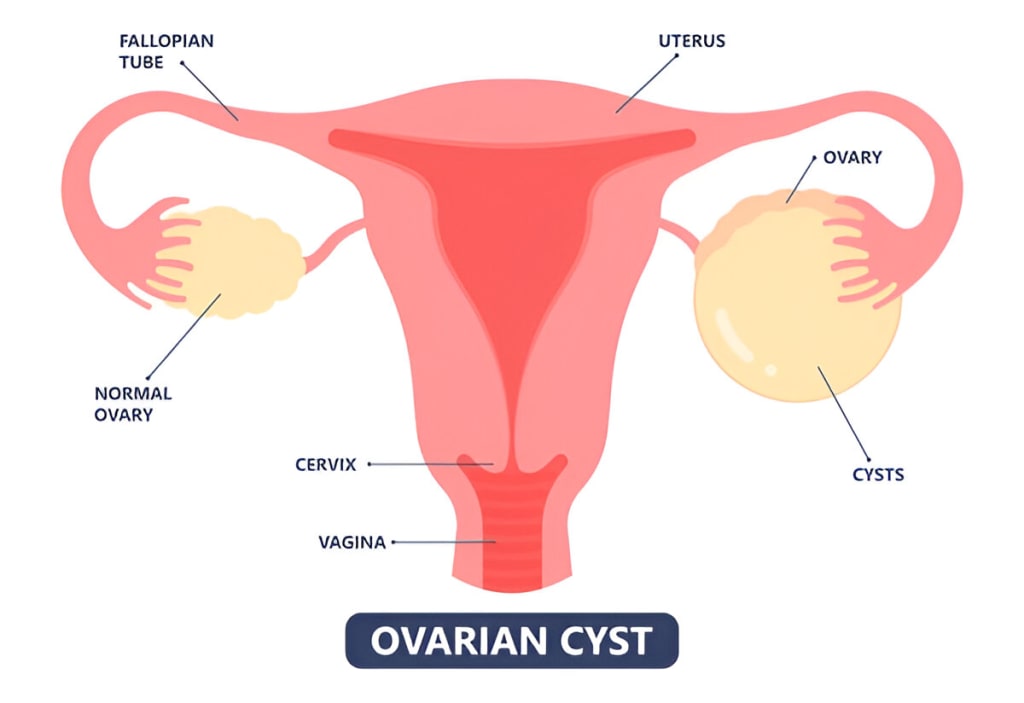
Each year, over 250,000 women in the United States find out they have ovarian cysts. Many people do not fully understand what is ovarian cyst or when to be worried. According to the American College of Obstetricians and Gynecologists (ACOG), ovarian cysts are common and are often not harmful. Whether you have recently been diagnosed or just want to learn more, this guide will explain the important facts about ovarian cysts and help you know when to get medical help.
The Basics of Ovarian Cysts
An ovarian cyst is like a small, fluid filled balloon that grows on or inside an ovary. While the word cyst might seem scary, most ovarian cysts are harmless and usually go away without any treatment. Research from the Mayo Clinic shows that around 90 percent of ovarian cysts are functional cysts and will disappear on their own.
Common Types of Ovarian Cysts
1. Functional Cysts: A Normal Part of the Cycle
The most common type of cysts is functional cysts, which form as part of the normal menstrual cycle. These include:
Follicular Cysts: These develop when an egg does not release from its sac, or follicle, as it should. Instead, the follicle keeps growing, forming a cyst. These cysts usually disappear within 1 to 3 months on their own.
Corpus Luteum Cysts: After an egg is released, the empty follicle is meant to break down. However, sometimes it seals itself and fills with fluid, forming this type of cyst. Most of the time, they resolve by themselves but can sometimes cause mild pain.
2. Dermoid Cysts: The Unique Kind
Dermoid cysts are a unique type that can contain different kinds of tissues, like hair, skin, and even teeth. Although this might sound strange, these cysts are generally benign and are most often found in women aged 20 to 40. Research indicates that around 1 in 10 women with dermoid cysts may have them on both ovaries.
3. Endometriomas: The Chocolate Cysts
Women with endometriosis may develop endometriomas, often called chocolate cysts because of their dark, blood filled insides. These cysts form when endometrial tissue, which normally lines the uterus, grows on the ovaries. If left untreated, endometriomas may lead to fertility issues.
4. Cystadenomas: Surface Cysts
Cystadenomas grow from the surface of the ovary. They can become quite large and come in two types: serous cystadenomas (filled with watery fluid) and mucinous cystadenomas (filled with thick fluid). According to research in the Journal of Ovarian Research, these cysts might need monitoring to avoid complications.
Recognizing the Warning Signs
Many women with ovarian cysts have no symptoms, but some may experience:
- A dull, constant ache in the lower abdomen
- Sudden, sharp pelvic pain
- Bloating or feeling full
- Pain during intimate activities
- Changes in bathroom habits
About 5 to 10 percent of women will eventually need surgery for an ovarian cyst, so recognizing these signs early is important.
Treatment Options for Ovarian Cysts
1. Watch and Wait Approach
For many functional cysts, doctors recommend the watch and wait approach. With this, they use ultrasound scans to monitor the cyst for a few months. Research shows that most of these cysts go away naturally within 1 to 2 menstrual cycles.
2. Hormonal Birth Control
While birth control pills do not shrink existing cysts, they may prevent new functional cysts from forming. Studies indicate they can reduce the risk of new cysts by about 28 percent, according to findings in the Journal of Clinical Endocrinology & Metabolism.
3. Surgery
Surgery may be necessary if a cyst:
- Grows larger than 10 centimeters
- Stays for multiple menstrual cycles
- Causes severe pain
- Shows concerning features on imaging
Most cyst removal surgeries today use laparoscopic methods, which are less invasive, result in smaller scars, and have quicker recovery times.
When to Seek Medical Help
While most cysts are harmless, certain symptoms need immediate medical attention. If you have:
- Severe, sudden abdominal pain
- Fever and vomiting
- Dizziness or feeling faint
- Rapid breathing
These may signal a complication like a ruptured cyst or ovarian torsion, which is when a cyst causes the ovary to twist. Research from the National Institutes of Health (NIH) emphasizes that getting medical help quickly in these cases is essential to avoid severe problems.
Staying Informed About Ovarian Cysts
The more you learn about ovarian cysts, their symptoms, and treatment, the better choices you can make about your health. If you are experiencing symptoms or have concerns, reach out to your healthcare provider for guidance. Managing ovarian cyst treatment together with your healthcare provider can help you feel more in control.
Conclusion
With more knowledge and understanding, many women can manage their symptoms and continue living healthily. Regular monitoring, knowing when to seek help, and understanding reason for ovarian cyst can make a big difference in your comfort and peace of mind. Remember, keeping your healthcare provider informed is key to safely managing your health over time.
About the Creator
Shreya Mitra
Shreya Mitra is a health writer with a passion for making medical information easy to understand. With a background in health communication, she shares insights on heart, mental health, and women's health. My health articles on Medium.
Enjoyed the story? Support the Creator.
Subscribe for free to receive all their stories in your feed.
Comments
There are no comments for this story
Be the first to respond and start the conversation.