
Night Leg Cramps During Pregnancy: What You Should Know
Understanding the Causes, Risks, and Safe Relief Options for Expecting Mothers
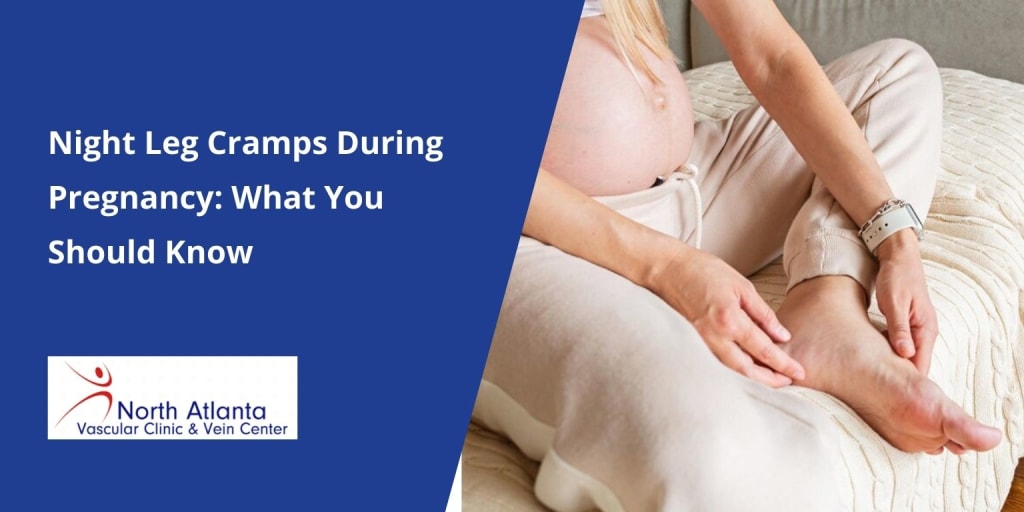
Pregnancy is a time of significant change — physically, emotionally, and hormonally. While many people are prepared for morning sickness, fatigue, and cravings, there are other symptoms that come as a surprise. One of these unexpected discomforts is night leg cramps.
If you’ve ever been jolted awake by a sharp, sudden tightening in your calf or foot while pregnant, you’re not alone. Night leg cramps are a common complaint, especially during the second and third trimesters. Though they’re usually harmless, they can be painful and disruptive to your rest — something already in short supply during pregnancy.
So, what causes these nighttime cramps, and what can be done to manage them? Let’s explore.
What Are Night Leg Cramps?
Night leg cramps are involuntary muscle contractions, most often affecting the calves, feet, or thighs. These spasms typically occur during the night or when you're resting. They can last anywhere from a few seconds to a couple of minutes and may leave lingering soreness.
During pregnancy, these cramps often become more frequent and intense, especially in the later months.
Why Are Pregnant Women More Prone to Leg Cramps?
There isn’t a single cause behind leg cramps during pregnancy, but several contributing factors may be at play:
1. Increased Weight and Pressure
As your pregnancy progresses, your body gains weight — a normal and healthy part of the process. However, this added weight places extra pressure on the muscles and blood vessels in your legs. This pressure can contribute to muscle fatigue and cramping, especially when lying down at night.
2. Circulation Changes
Your circulatory system undergoes significant changes during pregnancy. The increased demand for blood flow to support the growing fetus may sometimes result in reduced circulation to the legs, which could be a factor in cramping.
3. Hormonal Shifts
Pregnancy hormones, particularly progesterone, cause the muscles and ligaments to relax. While this is essential for childbirth, it can also affect how muscles respond to stress and movement, potentially increasing cramping.
4. Fluid and Electrolyte Balance
Although we won't delve into supplement use, it's worth noting that fluid retention and changes in nutrient needs during pregnancy can influence muscle function. Sweating more, urinating frequently, or not getting enough hydration during the day may all contribute to nighttime muscle tightness.
5. Fatigue
Your leg muscles are working harder than usual to carry your body, especially in the later stages. This increased fatigue can make the muscles more prone to cramping when they're at rest.
When Do Leg Cramps Usually Occur in Pregnancy?
Night leg cramps tend to become more common in the second and third trimesters, though they can happen at any time. They often occur during sleep when the muscles are relaxed, or after being stationary for a long period — such as sitting at a desk or resting on the couch.
Are Night Leg Cramps Harmful?
In most cases, night leg cramps are not a cause for concern. They are a normal, albeit uncomfortable, part of pregnancy for many. However, if the cramps are frequent, severe, or accompanied by swelling, redness, or warmth, it's important to speak to your healthcare provider. These could be signs of other conditions, such as a blood clot, which requires immediate attention.
How to Cope With Night Leg Cramps
Here are some non-medication strategies that may help reduce the frequency or severity of cramps:
- Stay Active: Gentle, regular physical activity can keep your muscles strong and flexible. Prenatal yoga, walking, or swimming are generally good choices.
- Stretch Before Bed: Lightly stretching your calves and feet before going to sleep may help prevent cramps.
- Adjust Your Sleeping Position: Try sleeping on your left side to improve circulation. Placing a pillow between your knees can also reduce muscle tension.
- Wear Comfortable Footwear: Supportive shoes during the day can help reduce strain on leg muscles.
- Elevate Your Legs: Resting with your feet up during the day may help improve blood flow and reduce pressure on your legs.
- Hydrate Throughout the Day: Drinking water regularly may help prevent dehydration, which can contribute to muscle cramps.
What to Do During a Cramp
If you wake up with a leg cramp, gently stretching the muscle can often bring relief. Flex your foot upward (toes pointing toward your head) while keeping your leg straight. You can also try standing up and slowly walking it off. Massaging the muscle gently may also help release the tension.
Though the pain can be intense, most cramps pass quickly. A little patience and some calming breaths can help you manage the discomfort until it subsides.
When to Contact Your Doctor
It’s always a good idea to mention frequent or severe leg cramps during your prenatal visits. While they're typically harmless, your provider can help rule out other causes and ensure your pregnancy is progressing well.
If the cramping is accompanied by pain, swelling, or warmth in one leg, contact your provider right away. These may be symptoms of a more serious condition and should not be ignored.
Final Thoughts
Night leg cramps during pregnancy can be painful and frustrating, especially when they interrupt precious sleep. Understanding why they happen and how to cope with them can make a big difference in your comfort and peace of mind. As always, your healthcare provider is your best resource for personalized advice and reassurance throughout your pregnancy journey.
Disclaimer: Please note that this information is for educational purposes only. There is no patient-doctor relationship established. Please consult your healthcare provider for individualized recommendations.
About the Creator
Enjoyed the story? Support the Creator.
Subscribe for free to receive all their stories in your feed.
Comments
There are no comments for this story
Be the first to respond and start the conversation.