
NFT Treasure Explained: Digital Assets Guide
NFT Treasure Explained

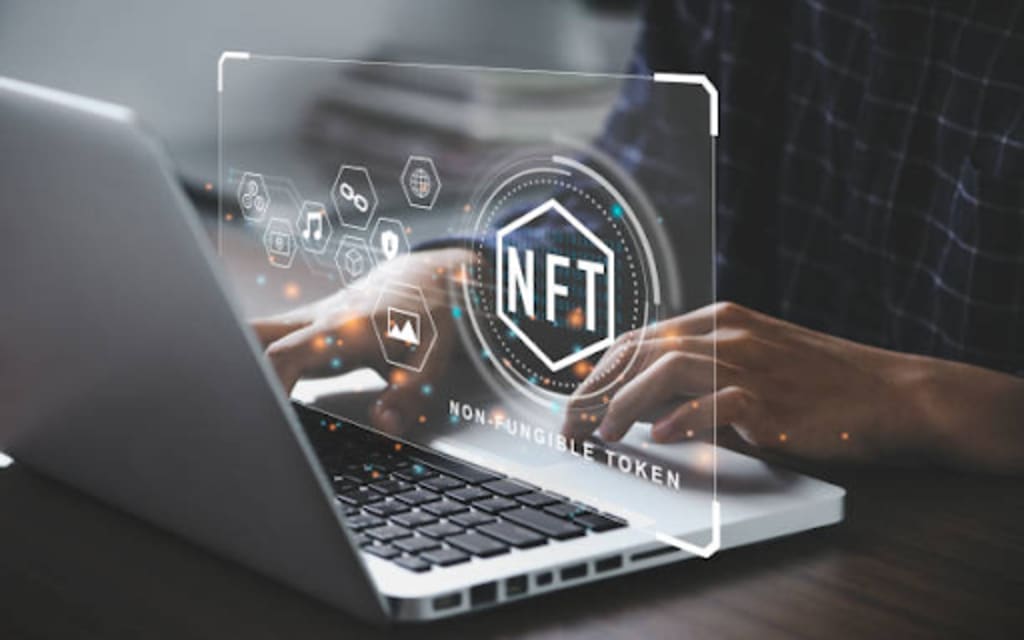
NFTs have become one of the most talked-about topics in the digital world and also one of the most misunderstood. For every person who made money in the NFT space, there are many more who lost it by chasing hype, skipping research, or falling for outright scams.
If you have heard the term NFT Treasure and want to understand what it actually means, how it works, and whether it is worth your attention this guide is for you. No jargon, no hype. Just a clear, honest explanation of digital ownership, value, and how to participate safely in the NFT world.
What Is NFT Treasure?
NFT stands for non-fungible token. Non-fungible simply means unique and irreplaceable. Unlike a dollar bill or a Bitcoin which can be swapped for any other dollar bill or Bitcoin each NFT is entirely one of a kind.
NFT Treasure refers to digital assets that hold genuine value within the NFT ecosystem. These include rare digital artworks, limited-edition collectibles, gaming items, virtual real estate, music files, and other digital content that has been tokenized on a blockchain. The word treasure reflects their scarcity; these are not ordinary files anyone can duplicate. They are verified, unique items with provable ownership.
Real-life example: Imagine an artist creates 10 unique digital paintings and releases each one as an NFT. A collector buys one of them. They now own the original, not a copy, not a download. The blockchain proves it, records it permanently, and anyone in the world can verify it. That is what makes NFT Treasure meaningful in the digital age.
How NFT Treasure Works
NFT Treasure is powered by blockchain technology. A blockchain is a permanent, shared digital ledger, a record of transactions that no single company or government controls. Every time an NFT is created, bought, or sold, the blockchain logs it permanently.
FinTech and NFT Treasure
NFT Treasure is closely linked to FinTech (financial technology). When you buy or sell NFTs, you are using blockchain instead of traditional banks. Crypto wallets work like digital bank accounts, and transactions happen instantly without middlemen.
This makes NFT trading fast, borderless, and more accessible. However, it also means you are fully responsible for your security, since there is no bank to reverse mistakes.
Ownership Verification
When a creator mints an NFT the process of recording a digital asset on the blockchain three things are permanently stored: who created it, when it was created, and who currently owns it. This information cannot be changed, deleted, or faked. It is the blockchain's version of a certificate of authenticity.
Buying and Selling
The buying and selling process works through NFT marketplaces digital platforms built on blockchain networks. When you purchase an NFT, the blockchain automatically updates to show you as the new owner. When you sell it, ownership transfers to the buyer instantly and permanently.
Safe vs risky NFT investing: Buying well-researched NFTs from verified creators on established platforms is relatively safe. Buying based on social media hype, from anonymous creators, or on unknown platforms is where most people get burned. The technology itself is secure; the risk comes from human behavior and bad actors in the ecosystem.
NFT Marketplace Guide: How to Buy Your First NFT
NFT marketplaces are where digital assets are listed, discovered, and traded. Think of them as the digital equivalent of an auction house combined with an art gallery open to anyone, anywhere, at any time.
Here is a simple step-by-step guide to buying your first NFT:
- Create an account on a reputable NFT marketplace look for platforms with verified creators, transparent histories, and active communities
- Set up a crypto wallet you need this to store your tokens and connect to the marketplace
- Fund your wallet with cryptocurrency, most commonly Ethereum, by purchasing it through a licensed exchange
- Connect your wallet to the marketplace using the platform's built-in wallet connection tool
- Browse available NFTs and filter by category, price, or rarity to find assets that interest you
- Research the creator check their history, previous sales, social media presence, and community feedback
- Review the NFT's ownership history on the blockchain before making any purchase
- Complete your purchase the NFT transfers to your wallet and the blockchain records you as the new owner
Always take your time. Reputable platforms never pressure you into quick decisions. If something feels rushed or too good to be true, walk away.
NFT Value and Rarity: What Makes a Digital Asset Worth Something?
This is the question most beginners struggle with. Why would anyone pay real money for a digital file? The answer lies in four factors that drive NFT value.
Rarity
Scarcity creates value. In many NFT collections, some items are far rarer than others based on their unique combination of traits or features. The rarer the asset, the more collectors want it and the higher the price goes. Rarity rankings help buyers understand exactly how scarce a specific NFT is within its collection.
Demand
Rarity alone does not make something valuable there must be genuine demand. A passionate, active community behind a project drives real buying interest and sustains long-term value. Without demand, even the rarest NFT is worthless.
Creator Influence
The reputation of the creator matters enormously. A digital artwork from a well-known artist or a collection from a trusted team with a proven track record commands far higher prices than work from unknown or anonymous sources. This mirrors how the traditional art world functions provenance and reputation drive price.
Community Hype
Community enthusiasm can temporarily inflate NFT prices beyond their fundamental value. In real life, people often follow hype and lose money by buying at the peak just before a project loses momentum and prices collapse. Strong community hype is a signal worth noting, but it should never replace genuine research into a project's fundamentals.
How to Store NFTs Safely
Owning an NFT means holding the private key to its blockchain record. Lose that key and you lose the asset permanently, with no way to recover it. Storing your NFTs safely is not optional.
Hot wallets: Software wallets connected to the internet. Convenient for active buying and selling but more exposed to hacking and phishing attacks
Cold wallets: Hardware devices that store your private keys completely offline. Far safer for holding valuable NFTs long term since they cannot be accessed remotely
Security practices every NFT owner must follow:
- Never share your seed phrase with anyone not a support agent, not a friend, not a platform
- Use strong, unique passwords and enable two-factor authentication on every account
- Never click links in unsolicited messages asking you to connect your wallet
- Store your seed phrase offline, written on paper, in a secure physical location
NFT Wallets and Ownership: A Beginner-Friendly Explanation
Your NFT wallet does not actually store your NFT the way a physical wallet holds cash. Instead, it stores the private key, the unique digital password that proves you own the NFT recorded on the blockchain.
Think of it this way: the NFT lives on the blockchain forever. Your wallet holds the key that lets you prove ownership and control it. As long as you have the key, you own the asset. The moment you lose the key, you lose access to everything in that wallet which is why security is so critical.
Beginner-friendly example: Buying an NFT is like being handed the only key to a locked safe. The safe is on a public blockchain where everyone can see it exists but only you can open it. Lose the key and the safe stays locked forever. Keep the key safe and the contents are entirely yours.
A Practical Strategy for Beginners
Many beginners make the mistake of jumping straight into buying without any preparation. This simple routine will help you participate safely and confidently:
- Learn for two to four weeks before spending anything read about blockchain, NFTs, and the specific projects that interest you
- Set a firm budget and treat it as money you could lose entirely never invest more than this amount
- Research every project thoroughly verify the creator's identity, community activity, and long-term roadmap
- Check the blockchain history of any NFT before buying legitimate assets have clear, traceable ownership records
- Make your first purchase small and low-cost learn the full process before committing larger amounts
- Store your NFTs in a secure wallet immediately and follow all security best practices from day one
Common Mistakes to Avoid
Buying without research: Skipping due diligence is the single fastest way to lose money in the NFT space always research before you spend
Following hype: By the time a project goes viral on social media, the smart money has usually already moved. Hype is a warning sign, not a green light
Ignoring security: One phishing link or shared seed phrase can cost you every asset in your wallet treat security as your first priority
Over-investing: The NFT market is highly volatile. Only invest what you are fully prepared to lose and never let excitement override your budget
Conclusion
NFT Treasure represents something genuinely new: a way to own, trade, and verify digital assets that are transparent, permanent, and open to anyone. For those who approach it with knowledge and patience, it offers real opportunities in the growing Web3 economy.
But it is not a shortcut to wealth, and it is not without risk. The people who succeed in this space are the ones who learn before they spend, secure their assets carefully, and make decisions based on research rather than excitement.
Start with education. Set clear limits. Protect your wallet from day one. And always verify before you buy. That is how you participate in NFT Treasure the smart way.
About the Creator
Muhammad Hanzla
I am SEO expert. I have 2 year experience in SEO field.I am working at SEO Company in Lahore, Pakistan.
Enjoyed the story? Support the Creator.
Subscribe for free to receive all their stories in your feed.
Comments
There are no comments for this story
Be the first to respond and start the conversation.