
Monkeypox: What You Need to Know About the Virus Making Headlines
A call to Action
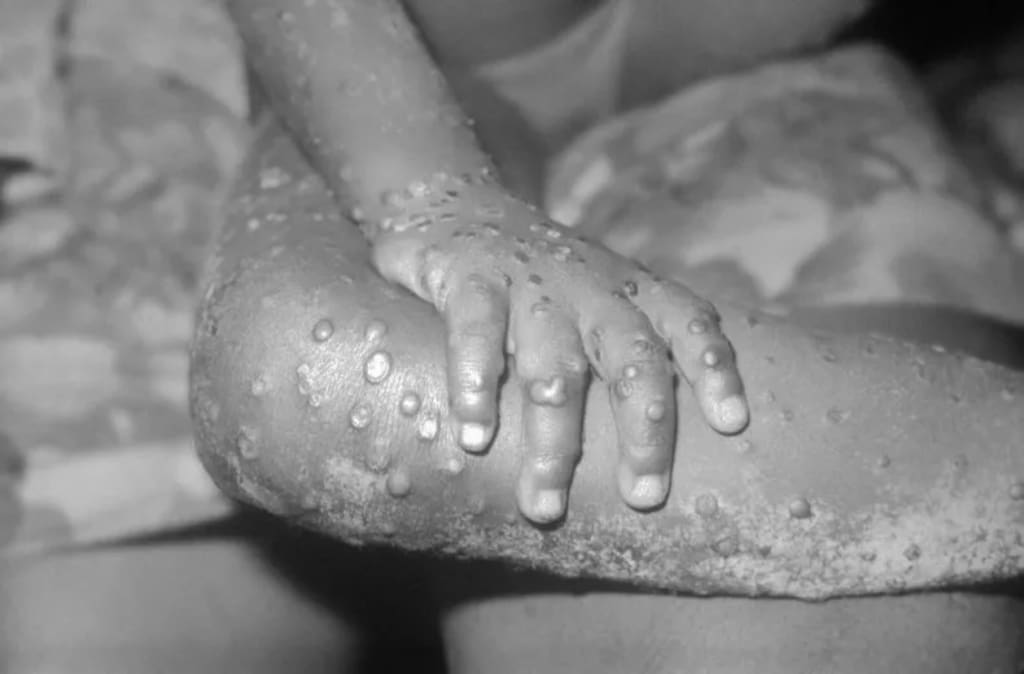
World Health Organisation (WHO) declares mpox a global health emergency:
On the 13 August 20024, scientists from the African Centres for Disease and Control (Africa CDC) declared Mpox a public health emergency in Africa due to the speed at which the virus was spreading causing deaths.
According to the continent's top health body, 13,700 cases and 450 deaths has been recorded in the Democratic Republic of Congo since the beginning of the year. the virus has also spread to other parts of Africa including Kenya, Burundi, Central African Republic and Rwanda.
Similarly, in the same vein the world health body, World Health Organisation (WHO) on 14 August 2024 declared mpox a global health emergency.
Monkeypox: What You Need to Know About the Virus Making Headlines
In recent times, a new virus has captured global attention—Monkeypox. With over 18,000 reported cases worldwide, it's crucial to understand what this virus is, how it spreads, and what it means for public health. In this article, we'll dive into everything you need to know, from its origins and genetic makeup to symptoms, transmission, and treatment options.
What is Monkeypox?
Monkeypox is a viral zoonosis, meaning it’s a virus that can be transmitted from animals to humans. Unlike many other viruses, Monkeypox's genetic material is DNA, and it's uniquely characterized by its linear, double-stranded DNA structure, which is enveloped in a protective layer.
Origins and Spread
The virus belongs to the Orthopoxvirus genus, within the Poxviridae family—making it a relative of the notorious smallpox virus. Though the exact origin of Monkeypox remains uncertain, research suggests that African rodents and primates, including monkeys, are likely culprits.
The Virus's Strongholds
Monkeypox has been notably prevalent in two regions: Central Africa, particularly in the Congo Basin, and Western Africa. Of these, the Congo Basin has seen more severe cases and higher transmission rates.
The First Outbreaks
Monkeypox was first identified in 1958 among monkeys used for research. However, the first human case wasn't documented until 1970, involving a nine-month-old boy in the Democratic Republic of the Congo. Since then, human cases have been reported across 11 African countries, making it a disease of global public health concern.
Global Reach
While Monkeypox originated in Africa, it has since spread beyond the continent. The first case outside Africa was reported in the United States in 2003, linked to imported Gambian rats. Subsequent cases have been reported in various countries, including Israel, the UK, and Singapore, often linked to travelers from Nigeria.
How Does Monkeypox Spread?
Monkeypox is primarily a zoonotic infection, transmitted from animals to humans. This can occur through direct contact with an infected animal's lesions, blood, or body fluids. The virus can also spread between humans, particularly through respiratory droplets, contact with skin lesions, and even from mother to child via the placenta (known as congenital Monkeypox).
Symptoms to Watch For
The incubation period for Monkeypox ranges from 6 to 13 days, but it can be as short as 5 days or as long as 21 days. Symptoms develop in two phases:
1. Invasive Period (1-5 days): Characterized by fever, intense headaches, lymphadenopathy (swollen lymph nodes), severe back pain, muscle aches, and profound fatigue.
2. Skin Eruption Period (1-3 days after fever onset): Skin eruptions appear, often starting on the face before spreading to other parts of the body, including the palms, soles, and oral mucous membranes. These eruptions progress from macules (flat lesions) to papules, vesicles (fluid-filled), pustules (pus-filled), and finally, crusts that fall off after a few weeks.
Prevention and Treatment
Currently, there's no specific vaccine for Monkeypox, but the smallpox vaccine has been shown to be 85% effective against it. In 2019, a new vaccine using a modified attenuated vaccinia virus (Ankara strain) was introduced to specifically prevent Monkeypox.
As for treatment, while there is no dedicated treatment for Monkeypox, the approach is similar to that of smallpox. Supportive care, such as pain management and hydration, is crucial. In severe cases, an antiviral drug called tecovirimat may be used.
The Broader Impact of Monkeypox
Monkeypox isn't just a medical issue; it has far-reaching implications for global health security, travel, and economies. The recent outbreaks in non-endemic countries have highlighted vulnerabilities in the global health infrastructure. The World Health Organization (WHO) has classified Monkeypox as a public health emergency of international concern (PHEIC), emphasizing the need for coordinated international response efforts.
The Economic and Social Implications
The economic impact of Monkeypox is significant. The outbreak has strained healthcare systems already stretched thin by the COVID-19 pandemic. Countries are investing heavily in surveillance, vaccine distribution, and public health campaigns. The cost of managing outbreaks, combined with the potential economic losses from decreased travel and trade, has been a major concern for governments and international organizations .
Socially, the stigma associated with Monkeypox has been a challenge. Misinformation and fear have led to discrimination against affected individuals and communities. Public health agencies are working hard to counteract this by providing accurate information and promoting understanding.
Lessons Learned and Future Preparedness
The Monkeypox outbreak has provided critical lessons in pandemic preparedness and response. One key takeaway is the importance of robust surveillance systems. Early detection and rapid response are crucial to containing outbreaks and preventing global spread. The experience with Monkeypox has also underscored the need for ongoing investment in vaccine research and development .
Moreover, the importance of global collaboration cannot be overstated. The coordinated response to Monkeypox—through data sharing, resource allocation, and unified messaging—has demonstrated the power of international cooperation in managing public health crises .
Looking Ahead: What Can Be Done?
To effectively combat Monkeypox and similar emerging infectious diseases, several steps must be taken:
Enhanced Surveillance: Strengthening global surveillance networks to detect and monitor outbreaks in real-time.
Increased Vaccine Access: Ensuring equitable access to vaccines, particularly in low- and middle-income countries that may be disproportionately affected by outbreaks .
Public Education Campaigns: Implementing widespread public health campaigns to educate communities about the risks of Monkeypox, modes of transmission, and preventive measures .
Research and Development: Investing in research to better understand the virus, develop more effective treatments, and improve vaccine efficacy .
Strengthening Health Systems: Building resilient health systems that can respond swiftly to emerging threats while continuing to provide routine healthcare services .
The Role of International Organizations
International organizations such as the World Health Organization (WHO) and the Centers for Disease Control and Prevention (CDC) play a crucial role in the global response to Monkeypox. These organizations provide guidelines, coordinate responses across borders, and ensure that accurate information reaches the public and healthcare professionals.
The WHO has been at the forefront, declaring Monkeypox a Public Health Emergency of International Concern (PHEIC) in 2022. This declaration helped mobilize resources, attract global attention, and initiate international collaborations aimed at controlling the outbreak .
The CDC, on the other hand, has been pivotal in tracking the virus's spread, providing detailed guidance on diagnosis, treatment, and prevention. Their efforts in the U.S. and internationally have helped mitigate the impact of the virus and prevent further escalation .
The Importance of Community Engagement
One of the most critical components of managing the Monkeypox outbreak is engaging with communities. Public trust is essential for the success of any public health initiative. Misinformation and fear can lead to panic, stigmatization, and even resistance to vaccination and other preventive measures.
Community engagement involves educating the public about the nature of the virus, how it spreads, and what can be done to protect oneself. It also requires listening to community concerns and addressing them with empathy and factual information. Grassroots organizations, local health departments, and global health agencies must work together to ensure that accurate, culturally sensitive information is disseminated.
In many regions, particularly in non-endemic countries where Monkeypox is unfamiliar, public health campaigns have been launched to raise awareness. These campaigns focus on debunking myths, promoting vaccination, and encouraging people to seek medical care if they exhibit symptoms.
Ongoing Research Efforts
The scientific community has ramped up research efforts to better understand Monkeypox. Studies are ongoing to determine the effectiveness of existing vaccines, explore new treatment options, and understand the virus's behavior in different populations.
Vaccine Development: While the smallpox vaccine has shown efficacy against Monkeypox, researchers are working on developing vaccines specifically tailored to the Monkeypox virus. These efforts are crucial as the virus continues to spread beyond its traditional geographic boundaries.
Antiviral Treatments: Research into antiviral treatments like tecovirimat is progressing, with clinical trials showing promise. These treatments could provide life-saving options for those who contract severe forms of the disease, particularly in regions with limited healthcare infrastructure .
Virus Genomics: Understanding the genetic makeup of the Monkeypox virus is vital for tracking its mutations and potential changes in virulence. Genomic studies are being conducted worldwide to monitor the virus's evolution and to inform vaccine and treatment strategies.
Epidemiological Studies: Ongoing studies are examining the virus's transmission patterns, risk factors, and impact on different demographics. This research helps public health officials refine their strategies and target interventions more effectively.
Building a Global Health Network
The Monkeypox outbreak underscores the importance of building a resilient global health network. Collaboration among nations, sharing of resources, and collective action are critical to managing and preventing future outbreaks.
Key initiatives that have emerged from the Monkeypox response include:
Global Health Security Agenda (GHSA): This international partnership aims to strengthen global capacities to prevent, detect, and respond to infectious disease threats. The GHSA has been instrumental in coordinating the response to Monkeypox, particularly in regions with weaker health systems.
Vaccine Equity Initiatives: Organizations like Gavi, the Vaccine Alliance, and COVAX are working to ensure that vaccines are distributed equitably, particularly in low- and middle-income countries. These efforts are crucial in preventing the spread of Monkeypox and other infectious diseases.
Pandemic Preparedness Plans: Many countries are revisiting and updating their pandemic preparedness plans in light of the Monkeypox outbreak. These plans include stockpiling vaccines, enhancing laboratory capacities, and improving public health communication strategies.
The Path Forward: A Call to Action
The Monkeypox outbreak is a wake-up call for global health. It reminds us of the ever-present threat of emerging infectious diseases and the need for vigilance, preparedness, and international cooperation.
As we move forward, it's essential to:
Support Research and Innovation: Continued investment in research is critical to developing new vaccines, treatments, and diagnostic tools. Governments, private sector entities, and international organizations must collaborate to fund and accelerate these efforts .
Promote Global Solidarity: In an interconnected world, no country is safe from the threat of infectious diseases. Global solidarity—sharing knowledge, resources, and best practices—is essential to managing current and future health crises .
Strengthen Health Systems: Building robust health systems, particularly in vulnerable regions, is key to preventing outbreaks from becoming global pandemics. This includes investing in healthcare infrastructure, training healthcare workers, and ensuring access to essential medicines and vaccines.
Educate and Empower Communities: Empowering communities with knowledge and resources is vital for preventing the spread of Monkeypox and other infectious diseases. Public health education campaigns, led by trusted community leaders, can play a significant role in achieving this.
Conclusion
Monkeypox is more than just a health issue—it's a reminder of the interconnectedness of our world and the ongoing challenges of managing emerging infectious diseases. By staying informed, supporting public health initiatives, and advocating for global cooperation, we can better prepare for and mitigate the impact of future outbreaks.
The situation with Monkeypox continues to evolve, and staying updated with reliable sources like the WHO and CDC is essential. Together, through informed actions and global solidarity, we can face these challenges and protect public health.
Sources:
1. World Health Organization (WHO). Monkeypox – Key Facts. Retrieved from WHO website.
2. Centers for Disease Control and Prevention (CDC). Monkeypox Virus – Overview. Retrieved from CDC website.
3. World Health Organization (WHO). Monkeypox – Epidemiological Update. Retrieved from WHO website.
4. Journal of Virology. (2021). Emergence of Monkeypox: A Review of Current Data. Retrieved from Journal of Virology.
5. Centers for Disease Control and Prevention (CDC). Multinational Monkeypox Outbreaks. Retrieved from CDC website.
6. The Lancet Infectious Diseases. (2022). Monkeypox in Non-Endemic Countries: An Emerging Global Threat. Retrieved from The Lancet.
7. Nature Reviews Microbiology. (2023). Zoonotic Pathways of Monkeypox Virus: A Comprehensive Review. Retrieved from Nature Reviews Microbiology.
8. Journal of Infectious Diseases. (2022). Clinical Manifestations of Monkeypox: A Detailed Review. Retrieved from Journal of Infectious Diseases.
9. New England Journal of Medicine. (2022). Clinical Course and Treatment of Monkeypox. Retrieved from NEJM.
10. World Health Organization (WHO). Smallpox Vaccine Efficacy Against Monkeypox. Retrieved from WHO website.
11. European Medicines Agency (EMA). (2019). Introduction of New Vaccines for Monkeypox. Retrieved from EMA website.
12. Journal of Antimicrobial Chemotherapy. (2023). Efficacy of Tecovirimat in Treating Monkeypox: Clinical Trial Results. Retrieved from Journal of Antimicrobial Chemotherapy.
13. Global Health Security Index. (2022). The Importance of Surveillance in Managing Emerging Diseases. Retrieved from GHS Index.
14. The Lancet Global Health. (2022). Equitable Access to Vaccines in Low-Income Countries. Retrieved from The Lancet.
15. Journal of Global Health. (2023). Public Health Education Campaigns: Effectiveness in Combatting Disease Outbreaks. Retrieved from Journal of Global Health.
16. World Health Organization (WHO). Global Research and Development Strategy for Emerging Infectious Diseases. Retrieved from WHO website.
17. The BMJ. (2023). Strengthening Health Systems to Respond to Public Health Emergencies. Retrieved from BMJ.
About the Creator
Enjoyed the story? Support the Creator.
Subscribe for free to receive all their stories in your feed.
Comments
There are no comments for this story
Be the first to respond and start the conversation.