
Mental Health: The Key to Balance
'Understanding Mental Wellness and the Tools to Achieve It'

Mental health disorders, such as depression, anxiety, and bipolar disorder, can have a significant impact on an individual's life, often making it difficult for them to function normally. Recognizing and coping with mental health issues is an important part of maintaining overall health and well-being. This article will explore the importance of mental health, the risks of mental health disorders, and how to recognize and manage mental health issues.
Mental health is an individual's overall psychological well-being and includes emotional, psychological, and social aspects of life. It is determined by an individual's ability to cope with stress, build relationships, and adjust to changes in their environment. Mental health is essential for overall well-being and impacts physical health as well.
Recognizing the Signs of Mental Illness
People with mental illness may isolate themselves, avoid contact with friends and family, and/or lose interest in activities they once enjoyed. They may experience sudden changes in mood, from feeling happy and content to feeling sad and irritable. It may lead to changes in behavior which engage in reckless behaviors such as substance abuse, gambling, or reckless driving. They may have difficulty focusing on tasks, remembering information, or making decisions. People with mental illness may experience difficulty sleeping, sleeping too much, or having difficulty waking up in the morning. Difficulty managing emotions-People with mental illness may have difficulty regulating emotions, leading to increased agitation and irritability. It may lead to changes in appetite which lead to weight gain or loss. Thoughts of self-harm Their illness may lead to have thoughts of harming themselves or others. These are some common signs of mental illness, but it's important to note that everyone's experience with mental illness is unique and may present differently. If you or someone you know is experiencing any of these signs, it's important to seek help from a mental health professional. It's also important to remember that seeking help for mental illness is a sign of strength, not weakness. With proper treatment and support, people can recover and lead fulfilling lives.
Recognize and Manage Stressful Situations
Identify signs of stress - Pay attention to physical signs of stress such as headaches, fatigue, and changes in appetite or sleeping patterns. Also, look out for changes in mood, such as irritability, anxiety, or depression. Take time for yourself. Make sure to take regular breaks throughout the day to give yourself time to relax and recharge. Practice relaxation techniques: Try deep breathing, progressive muscle relaxation, and guided imagery to help reduce stress. Talk to someone - Talking to a friend, family member, or mental health professional can help you process your feelings and learn how to better manage stressful situations. Make a plan - Once you have identified the stressor, come up with a plan to address it. This could include making changes to your schedule, setting boundaries, or finding a supportive person to talk to.
Strategies For Coping with Anxiety and Depression
- Take care of your physical health: Exercise regularly, eat healthy, and get plenty of sleep.
- Develop healthy habits: Establish regular routines, practice mindfulness and self-care, and find ways to engage in activities you enjoy.
- Connect with others: Reach out and build relationships with supportive people in your life.
- Challenge negative thinking: Reframe your thoughts and replace them with more balanced and realistic perspectives.
- Practice relaxation techniques: Try deep breathing, progressive muscle relaxation, or mindfulness exercises to reduce stress and anxiety
Keep an eye on your Screen time
The impact of social media on mental health is still being studied, but evidence suggests it can both positively and negatively affect users. On the positive side, users can connect with others who share similar interests, create meaningful relationships, and access helpful resources for mental health support. On the other hand, social media can lead to feelings of loneliness, envy, and inadequacy, especially when users compare themselves to others or engage in cyberbullying. Long-term consequences of social media use may include increased anxiety and depression, decreased self-esteem, and difficulty forming meaningful relationships.
Overcoming Negative Thinking Patterns
1. Identify and recognize when you are engaging in negative thinking.
2. Acknowledge and challenge negative thinking. Ask yourself questions such as “Is this really true?” and “What are some other possible explanations?”
3. Monitor your thoughts and replace negative thoughts with positive ones.
4. Take deep breaths and focus on the positive aspects of a situation.
5. Surround yourself with positive people and activities.
6. Practice gratitude and focus on what you have rather than what you don’t have.
7. Increase self-awareness and practice self-compassion.
8. Take time to relax and practice mindfulness.
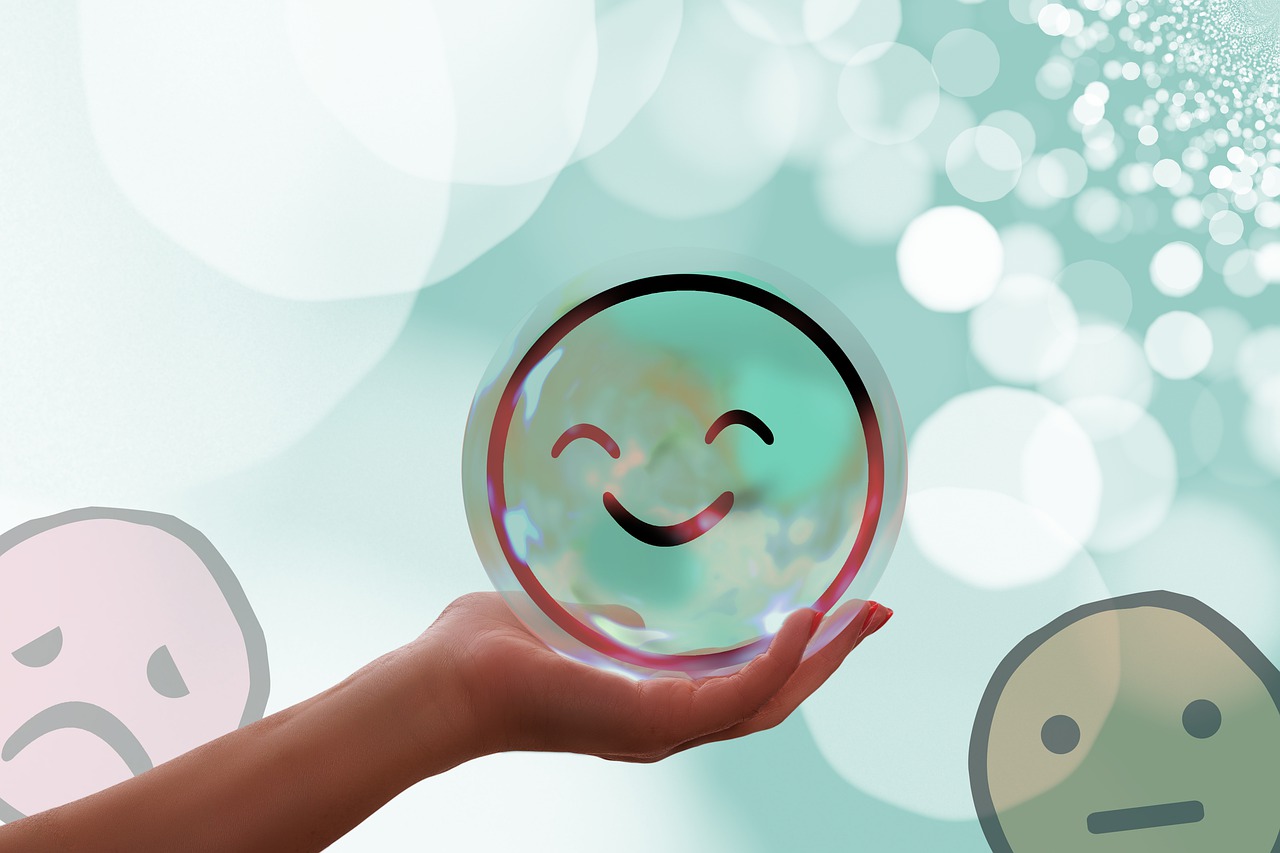
Self-Care Techniques for Stress Management
Self-talk is a powerful tool that can be used to manage stress. Positive self-talk can help reframe negative thoughts and create a more positive outlook. Journaling, writing down your thoughts and feelings can help you process and release your stress. Journaling can also help you gain insight into the causes of your stress. Eating a balanced diet rich in vitamins and minerals can help reduce stress levels. Eating plenty of fruits, vegetables, and whole grains can support mental well-being and reduce stress. Relaxation techniques such as deep breathing, visualization, and progressive muscle relaxation can help reduce stress. Taking time to relax can help reduce stress levels and promote overall wellbeing.
Positive Thinking
The power of positive thinking has been used for centuries to help people live better lives. It is based on the idea that if you think positively, you will be able to achieve more, be more successful in life, and be happier. Positive thinking involves changing your thoughts and beliefs to focus on the good and the possible rather than the negative or the impossible. It also involves focusing on success and looking at the world positively. Positive thinking can help you to create a better life for yourself and those around you. It can help you to focus on solutions rather than problems and to believe in yourself and your abilities.
Meditation and Exercise
Meditation is a practice of mindfulness and relaxation that has been used for centuries to improve mental health, reduce stress, and promote overall well-being. Research has demonstrated that meditation can be used to reduce symptoms of depression, anxiety, and other mental health issues. Meditation can help to reduce stress and anxiety by allowing the mind and body to relax. It can help to calm the mind and promote clarity of thought. It can also be used to cultivate mindfulness and focus on the present moment, allowing the individual to be aware of their thoughts, feelings, and physical sensations without judgement or criticism. Meditation can also help to reduce negative emotions, such as anger and fear, as well as enhance positive emotions, such as joy, peace, and contentment. Studies have shown that meditation can improve mood, reduce stress hormones, and promote relaxation. In addition, meditation can help to improve sleep quality and reduce fatigue. It can also help to increase self-awareness and overall well-being, as well as improve concentration and focus. Meditation can be a powerful tool for improving mental health, reducing stress, and promoting overall well-being. It can be used as a part of a comprehensive mental health plan and should be practiced regularly . In addtion to that exercise has been proven to reduce symptoms of depression and anxiety and improve overall mood. It can help improve focus, alertness, and concentration, especially when combined with other activities such as yoga and meditation. It can help to alleviate stress and tension and reduce the levels of cortisol, a hormone associated with stress. Exercise can help to boost self-confidence and self-esteem, as well as increase feelings of accomplishment. It helps to improve the quality and quantity of sleep, leading to better mental and physical health. Increased Endorphins - Exercise releases endorphins, the body’s natural “feel good” chemicals, leading to an improved and more positive outlook. Exercise improve mental clarity and cognitive function, as well as protect against age-related cognitive decline.
Mental health is an important aspect of health and wellbeing, and it is important to remember that it is okay to talk about mental health and seek help if needed. Mental health is something that affects us all, and it is important to remember that we can all take steps to improve our mental health and wellbeing. Taking care of our mental health is just as important as taking care of our physical health, and it is important to remember that it is okay to ask for help. Practice healthily live healthily
About the Creator
Manasa
Passionate about accepting changes. To make the world, a better place to live in.
Enjoyed the story? Support the Creator.
Subscribe for free to receive all their stories in your feed.
Comments
There are no comments for this story
Be the first to respond and start the conversation.