
Mental Health Awareness
It refers to a person's cognitive, behavioral, and emotional well-being.
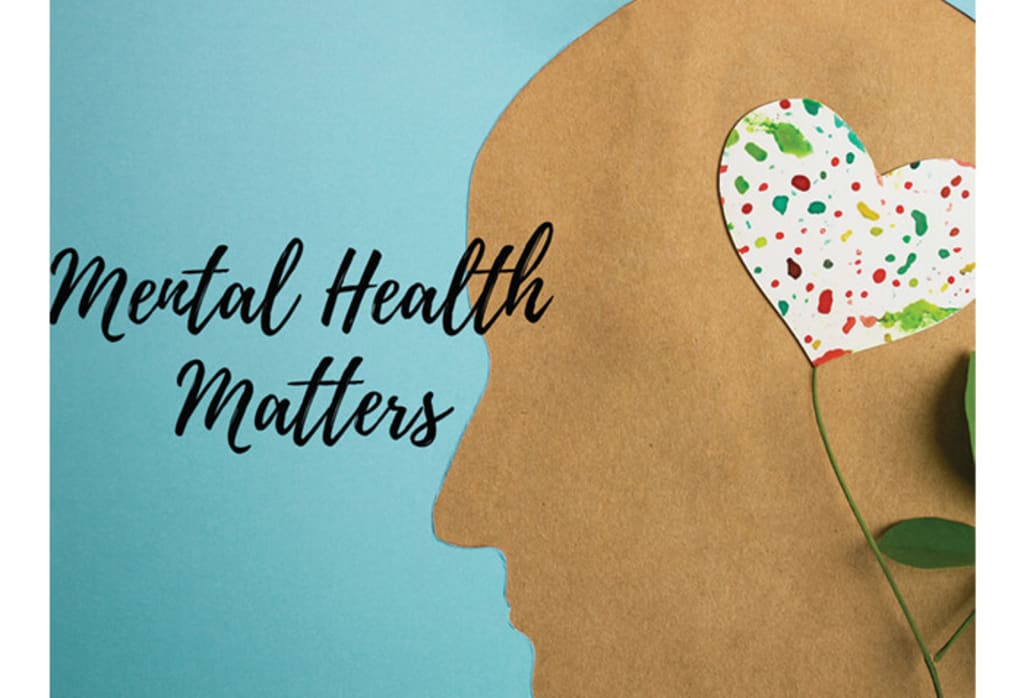
Mental health awareness is the recognition and understanding of mental health conditions, and the importance of seeking help and support for those experiencing mental health issues. It involves breaking down the stigma and discrimination that can prevent people from seeking help, and promoting positive attitudes towards mental health and wellbeing.
Mental health awareness can include:
1. Education and information
2. Advocacy
3. Support and treatment
4. Self-care
1. Education and information:
Educating people about mental health conditions, their causes, and available treatments can help to reduce stigma and encourage people to seek help. Providing information about how to maintain good mental health and wellbeing can also be helpful.
Education and information can be provided in a variety of ways, including:
• School and community programs:
Schools and community organizations can offer programs that teach young people about mental health, mental illness, and how to recognize signs of mental distress in themselves and others. These programs can also provide information on how to seek help and support.
• Public campaigns:
Public campaigns can be used to raise awareness about mental health and reduce stigma. These campaigns can be run by government agencies, non-profit organizations, or advocacy groups.
• Online resources:
The internet provides a wealth of resources on mental health, including websites, blogs, and social media pages. These resources can provide information on mental health conditions, treatments, and resources for seeking help.
• Mental health professionals:
Mental health professionals such as counselors, therapists, and psychiatrists can provide education and information to their clients about mental health and how to maintain good mental health. They can also provide information on available treatments and resources for support.
By providing education and information on mental health, we can help to reduce the stigma surrounding mental health conditions, and encourage people to seek help and support when they need it. This can lead to improved outcomes for people with mental health conditions, and ultimately lead to a healthier and more productive society.
2. Advocacy:
Advocacy involves speaking out on behalf of people with mental health conditions, and promoting their rights and interests. This can involve working with government and other organizations to improve access to mental health services and reduce discrimination.
In the context of mental health awareness, advocacy can take many forms. Some examples include:
• Policy advocacy:
Advocating for policy changes that improve access to mental health services, reduce stigma, and promote mental health and well-being. This may involve working with government officials or other policymakers to develop and implement mental health policies and programs.
• Community advocacy:
Advocating for mental health issues at the community level, such as organizing events or campaigns to raise awareness about mental health, or working with local organizations to promote mental health and well-being.
• Peer advocacy:
Peer advocacy involves individuals with lived experience of mental health conditions advocating for others who may be experiencing similar challenges. This can involve sharing their own experiences and offering support and encouragement to others.
• Legal advocacy:
Advocating for the legal rights of individuals with mental health conditions, such as advocating for access to treatment or accommodations in the workplace or school setting.
Advocacy can help to promote mental health awareness by giving a voice to individuals or groups who may be marginalized or discriminated against. By advocating for the rights and well-being of these individuals, advocates can help to break down stigma and promote positive attitudes towards mental health and well-being.
3. Support and treatment:
Providing access to mental health services, including counseling, therapy, and medication, is an important part of mental health awareness. Support groups and peer support can also be helpful for those experiencing mental health issues.
Support and treatment can take many forms, including:
• Counseling and therapy:
Counseling and therapy can provide individuals with mental health conditions with a safe and supportive environment to discuss their feelings and experiences, learn coping strategies, and develop new skills.
• Medication:
Medication can be effective in treating symptoms of some mental health conditions, such as depression, anxiety, and bipolar disorder.
• Support groups:
Support groups can provide individuals with mental health conditions with a community of people who share similar experiences, and offer support, encouragement, and advice.
• Peer support:
Peer support involves individuals with lived experience of mental health conditions supporting others who may be experiencing similar challenges. This can involve sharing their own experiences and offering support and encouragement to others.
• Case management:
Case management involves helping individuals with mental health conditions to access and navigate various support services, such as housing assistance, employment services, and healthcare.
By providing support and treatment, we can help individuals with mental health conditions to live full and productive lives, and reduce the impact of mental health conditions on their daily lives. This can lead to improved outcomes for individuals and families, and ultimately lead to a healthier and more productive society.
4. Self-care:
Encouraging people to take care of their own mental health and wellbeing can help to prevent mental health issues from developing or becoming worse. This can involve strategies such as exercise, healthy eating, relaxation techniques, and mindfulness.
Self-care can take many forms, including:
• Physical self-care:
This involves taking care of the body, such as eating a healthy diet, getting enough sleep, exercising regularly, and practicing good hygiene.
• Emotional self-care:
This involves taking care of one's emotional well-being, such as practicing self-compassion, setting healthy boundaries, and engaging in activities that promote relaxation and stress reduction.
• Mental self-care:
This involves taking care of one's mental health, such as engaging in activities that promote mental stimulation, seeking support when needed, and practicing mindfulness and meditation.
• Spiritual self-care:
This involves taking care of one's spiritual well-being, such as engaging in activities that promote a sense of purpose, meaning, and connection.
Self-care is important because it can help to prevent burnout, reduce stress, and improve overall health and well-being. It can also help individuals to better manage mental health conditions, such as anxiety and depression.
By incorporating self-care practices into daily routines, individuals can prioritize their own health and well-being, and promote a positive and healthy lifestyle. Self-care is an important component of mental health awareness, as it empowers individuals to take control of their own well-being, and promotes positive attitudes towards mental health and self-care.
5. Mental health first aid:
Mental Health First Aid (MHFA) is a training program that teaches individuals how to recognize, understand, and respond to signs of mental health challenges or crises. The program aims to equip individuals with the knowledge and skills to provide initial assistance to someone who may be experiencing a mental health crisis, and to connect them with appropriate professional help.
The Mental Health First Aid training program covers a range of topics, including:
• Recognizing signs and symptoms of mental health challenges and crisis, such as depression, anxiety, psychosis, and suicidal behavior.
• Strategies for providing initial support and assistance to someone experiencing a mental health challenge or crisis, such as listening non-judgmentally, offering reassurance and information, and helping the person to access appropriate resources.
• Understanding the impact of stigma and discrimination on mental health, and strategies for promoting mental health awareness and reducing stigma.
• Identifying appropriate professional resources and making referrals to mental health services.
The Mental Health First Aid program is designed to increase mental health literacy, reduce stigma, and promote early intervention and access to appropriate care. The program is suitable for a range of individuals, including health professionals, educators, employers, and community members.
By providing individuals with the knowledge and skills to recognize and respond to mental health challenges and crisis, Mental Health First Aid can help to reduce the impact of mental health conditions on individuals, families, and communities. It is an important component of mental health awareness and can help to promote positive attitudes towards mental health and well-being.
CONCLUSION
Mental health awareness is crucial for promoting positive attitudes towards mental health, reducing stigma, and improving access to appropriate care and support for individuals with mental health conditions. Mental health awareness involves education and information, advocacy, support and treatment, and self-care. Mental health awareness is critical for creating a society that values mental health and well-being, supports those with mental health conditions, and promotes positive attitudes towards mental health. By promoting mental health awareness, we can improve outcomes for individuals and families, reduce the impact of mental health conditions on daily life, and create a healthier and more productive society.
About the Creator
Mohamed Muguzin
ALWAYS GO FORWARD IN YOUR LIFE.
Enjoyed the story? Support the Creator.
Subscribe for free to receive all their stories in your feed.
Comments
There are no comments for this story
Be the first to respond and start the conversation.