
Know Everything About Glaucoma: Types and Risk Factors
Glaucoma is a serious eye condition that can cause permanent vision loss if left untreated. Learn about the different types of glaucoma, risk factors, and how to prevent it.
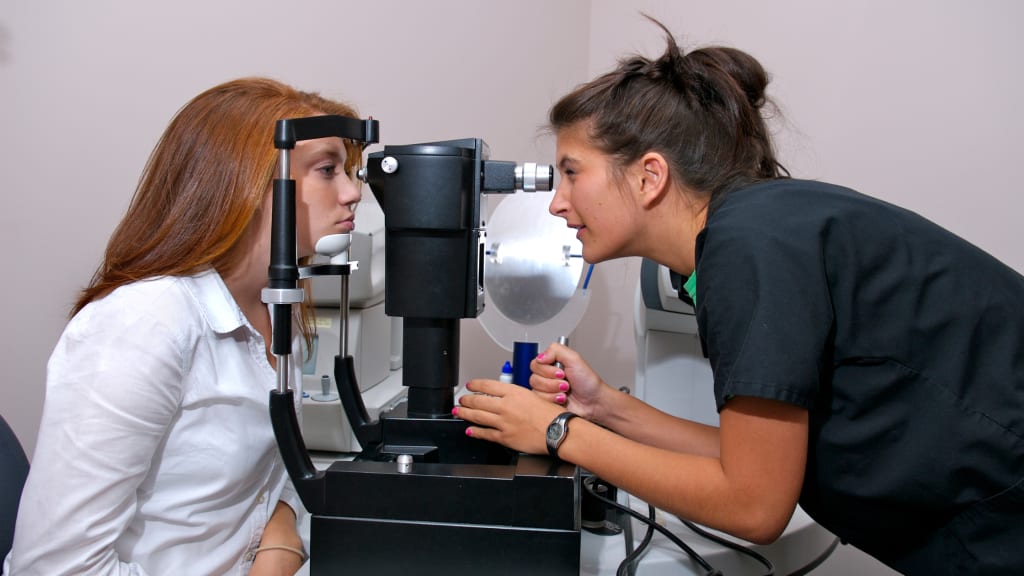
Glaucoma is a group of eye disorders that can cause harm to the optic nerve. This nerve is responsible for transmitting visual information from the eye to the brain, which is essential for clear vision. In most cases, the damage to the optic nerve is linked to high intraocular pressure. However, it is possible to have Glaucoma even with normal eye pressure.
It is essential to have regular eye examinations that measure your eye pressure. Early detection of Glaucoma can help to slow or even prevent vision loss. If you are diagnosed with Glaucoma, you will need to receive treatment or be monitored for the remainder of your life.
Many pharmaceutical manufacturing companies are researching and developing new treatments for Glaucoma that can help to reduce eye pressure and improve vision.
Various Forms of Glaucoma
Glaucoma can take two forms, the most common being angle-closure and open-angle. Angle-closure Glaucoma is caused by the iris blocking the eye's drainage canals. Symptoms associated with this type of Glaucoma include nausea, headaches, blurred vision, eye pain, and halos around lights. This form of Glaucoma can come on suddenly, so if any of these symptoms are experienced, it is essential to seek medical attention immediately.
Most glaucoma cases (around 90%) are open-angle Glaucoma, which develops gradually as the eye's drainage canals become blocked over a long period of time. This can occur so slowly that the patient may not be aware of it until it is in the later stages when the damage has already been done. This is why regular eye exams are so important; they can help detect open-angle Glaucoma early on and allow for intervention to prevent further damage.
Symptoms
Open-angle Glaucoma
- Early stages with no symptoms
- Slowly, patchy blind spots start to emerge in your side vision. Side vision is another term for peripheral vision.
- Difficulties seeing details in your centre vision as the disease progresses
Acute angle-closure Glaucoma
- Terrible headache
- Terrible eye discomfort
- Nausea or diarrhoea
- Distorted vision
- Rings of color or halo effects around lights
- A reddened eye
Normal-tension Glaucoma
- Early stages with no symptoms
- Vision gradually becomes hazy.
- Later, side vision may be lost.
When to visit a doctor
If you experience a sudden onset of symptoms, you may suffer from acute angle-closure Glaucoma. These symptoms include a severe headache and intense eye pain. It is essential to seek medical attention right away. Visit the nearest emergency room or contact an ophthalmologist's office without delay. Your doctor may prescribe medication from one of the many pharmaceutical manufacturing companies.
Read More: Uncovering the Secrets of Your Eyes: How Eye Health Can Reveal Clues to Your Overall Well-Being
Risk Factors for Glaucoma
- All individuals are prone to some degree to developing Glaucoma; however, certain factors can significantly increase the likelihood. Those of Asian descent are more likely to suffer from angle-closure Glaucoma, while open-angle Glaucoma is more common among Black and Hispanic people, as well as the elderly.
- Age is not the only risk factor for Glaucoma; heredity is also a major contributor. Research has indicated that most glaucoma cases are linked to family history. If a person has a sibling with Glaucoma, they are ten times more likely to develop it than someone without a family history of the condition. Additionally, eye injury and steroid use can increase the risk of Glaucoma.
- Several medical disorders, including high blood pressure, diabetes, migraines, and sickle cell anemia
- Centers of corneas that are thin
- Either extreme near- or farsightedness
- Eye damage or specific eye surgeries
- Because of the long-term use of corticosteroid medications, particularly eye drops
Prevention
These steps aid in the early identification and management of Glaucoma. This might prevent or at least slow down eyesight loss. A pharma company in Surat could provide access to glaucoma treatments and medications, as well as education and awareness about the condition. This could reduce the burden of Glaucoma in the region.
Regularly check your eyes.
The Academy of Ophthalmology suggests that individuals aged 40 and under should have a comprehensive eye exam every 5-10 years, while those aged 40-54 should have one every 2-4 years. Those aged 55-64 should have an exam every 1-3 years, and those 65 and over should have one every 1-2 years. Early detection of Glaucoma is possible through regular comprehensive eye exams, helping to prevent significant damage.
If you are in danger of having Glaucoma, you must have more frequent eye exams. Consult with your healthcare provider to determine the best screening plan for you.
Know whether your family has a history of eye problems.
There is a likelihood of Glaucoma running in families, so if you are more prone to it, it is advisable to get screened more often.
Invest in eye protection.
Eye injuries can cause Glaucoma, a severe condition. Wear eye protection to protect your eyes when using power tools or to participate in sports.
Frequent use of eye drops is prescribed.
Eye drops prescribed by a healthcare provider can significantly reduce the chances of high eye pressure progressing to Glaucoma. Even if you are not experiencing any symptoms, it is essential to use the eye drops as directed. Moxifloxacin and dexamethasone eye drops are commonly prescribed to reduce eye pressure and reduce the risk of Glaucoma. You can take these eye drops alone or with other prescription drugs.
About the Creator
Pratik Shah
Pharmacist at Staple Pharma
Enjoyed the story? Support the Creator.
Subscribe for free to receive all their stories in your feed.
Comments
There are no comments for this story
Be the first to respond and start the conversation.