
Knee Surgery Recovery Timeline: Step-by-Step Guide to Preparation & Post-Op Care
What to Expect and How to Prepare for a Successful Knee Recovery

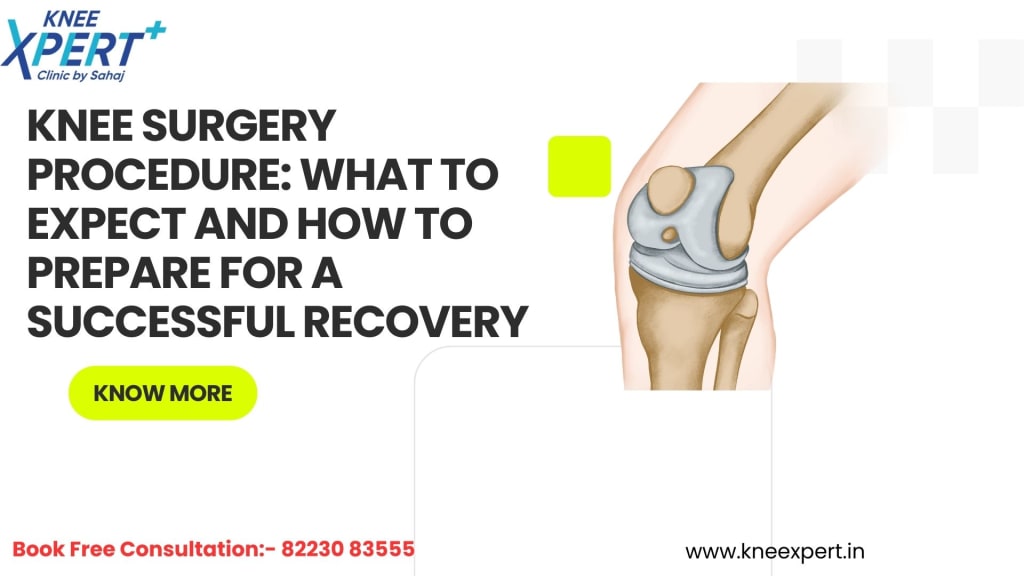
Knee Surgery Procedure: What to Expect and How to Prepare for a Successful Recovery
Knee surgery is a common procedure that can help individuals suffering from chronic knee pain, injury, or degenerative conditions such as osteoarthritis. If you’ve been advised to undergo knee surgery, it’s important to understand the procedure, recovery expectations, and the steps you can take to prepare. This guide will walk you through the entire knee surgery process, from the consultation to rehabilitation, and provide tips to ensure a successful recovery.
Types of Knee Surgery
There are various types of knee surgeries that are performed depending on the specific condition, injury, or pain experienced. The most common knee surgeries include:
Knee Arthroscopy (Minimally Invasive Surgery)
Often referred to as “keyhole surgery,” arthroscopic knee surgery involves making small incisions around the knee to insert a camera and specialized instruments to remove damaged tissue, repair tears, or clean the joint. This minimally invasive technique offers faster recovery times and reduced scarring.
Partial Knee Replacement
In cases where damage is localized to one part of the knee, partial knee replacement is performed to replace the damaged area while preserving healthy tissue. This procedure offers a quicker recovery compared to total knee replacement.
Total Knee Replacement (TKR)
For individuals suffering from severe knee arthritis or significant joint damage, a total knee replacement may be necessary. The damaged bone and cartilage are replaced with prosthetic components, offering significant pain relief and improved mobility.
Knee Ligament Repair or Reconstruction
Knee ligament surgeries, such as ACL reconstruction, are typically performed for individuals with torn ligaments due to sports injuries. This surgery aims to restore stability and function to the knee by replacing the damaged ligament with a graft.
Step-by-Step Knee Surgery Procedure
Consultation and Pre-Operative Preparation
Before undergoing knee surgery, your doctor will conduct a thorough evaluation of your condition through physical exams, imaging tests (like X-rays or MRIs), and discussions about your medical history. They will explain which surgery is best suited for your needs, risks, and benefits. You may be required to undergo pre-operative testing such as blood work to ensure you’re in good health for surgery.
Anesthesia and Surgery
Most knee surgeries are performed under general anesthesia or regional anesthesia (spinal or epidural), which numbs the lower body. The surgical team will ensure you are comfortable throughout the procedure. Depending on the type of surgery, the operation can last from 1 to 3 hours.
Post-Surgery Care and Monitoring
After the procedure, you will be transferred to a recovery room where the medical team will monitor your vital signs, manage pain, and ensure that there are no complications. Pain management is a priority, and medications will be provided to keep you comfortable.
Hospital Stay and Physical Therapy
For more invasive surgeries like total knee replacement, a hospital stay of 1–4 days is typical. During this time, you’ll begin physical therapy to regain mobility, strength, and range of motion. Physical therapy is a critical part of knee surgery recovery, and following the prescribed exercises will speed up the healing process.
Home Recovery and Rehabilitation
After being discharged, you’ll continue rehabilitation exercises at home or in an outpatient facility. The first few weeks will focus on gentle movements, while later stages emphasize strength-building and returning to normal activities.
Recovery Timeline: What to Expect After Knee Surgery
Knee surgery recovery varies depending on the type of procedure performed and the individual’s health. On average, the recovery time for common knee surgeries is:
Arthroscopy: 1–3 weeks for minor recovery.
Partial Knee Replacement: 3–6 weeks for mobility and strength recovery.
Total Knee Replacement: 6–12 weeks for walking and returning to daily activities.
Ligament Reconstruction (ACL repair): 6–9 months for full recovery and returning to high-impact activities.
Tips for a Successful Knee Surgery Recovery
Follow Your Doctor’s Instructions
Adhering to post-operative care instructions is essential. This includes taking medications as prescribed, attending follow-up appointments, and following through with physical therapy sessions.
Stay Active, but Don’t Overdo It
While rest is important, maintaining mobility with gentle exercises is key. Gradually increase activity levels as advised by your physical therapist to build strength and prevent stiffness.
Manage Pain and Swelling
Icing your knee during the initial recovery period can help reduce swelling and pain. Over-the-counter pain relievers may also be recommended by your doctor.
Maintain a Healthy Diet
Eating a nutritious diet rich in vitamins and minerals will support the healing process. Focus on foods that promote joint health, such as those high in omega-3 fatty acids, antioxidants, and protein.
Conclusion: Knee Surgery for Pain Relief and Improved Mobility
Book Free Consultation:- 82230 83555
Knee surgery can provide significant relief for individuals suffering from pain, stiffness, or injuries that limit their mobility. Understanding the procedure and recovery process will help you make informed decisions and ensure a successful outcome. Whether you’re undergoing knee replacement surgery, arthroscopy, or ligament repair, the goal is to return to a pain-free, active lifestyle. Always consult with your doctor and follow through with rehabilitation to ensure a smooth recovery and regain full knee function.
About the Creator
Enjoyed the story? Support the Creator.
Subscribe for free to receive all their stories in your feed.
Comments
There are no comments for this story
Be the first to respond and start the conversation.