
Inspire sleep how does it work
Discovering How Inspire Sleep Uses Innovative Technology to Treat Sleep Apnea

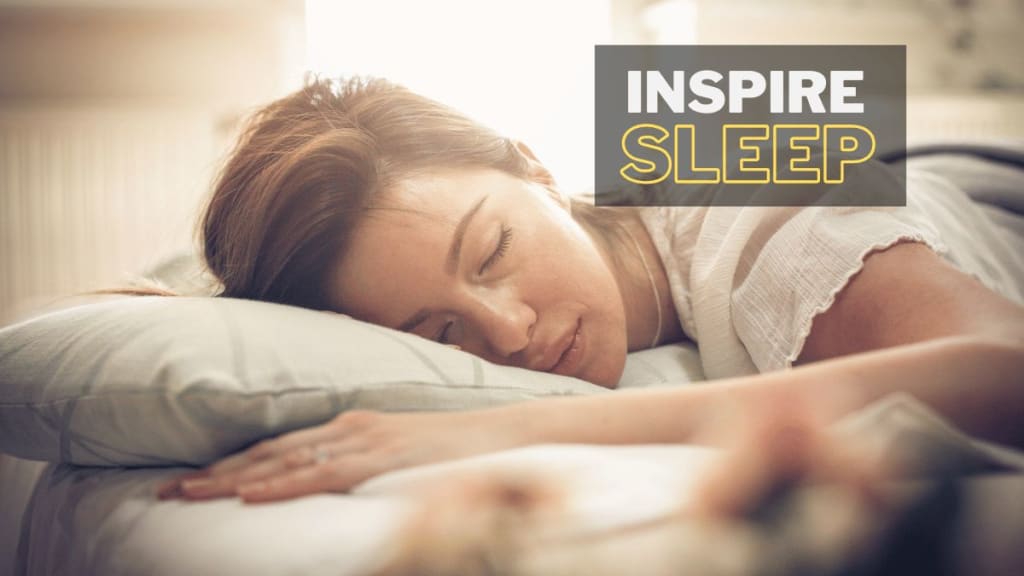
Inspire Sleep: this is a big deal. It’s the time when your body repairs itself and restores energy, while you sleep your brain gets to rest. But it’s not always easy to get enough sleep! If you’re like me, your bedtime can be set on auto-pilot by an alarm clock that doesn’t let up until morning comes around again.
I’ve tried everything from melatonin supplements to sleeping pills with little success in getting more restful nights–until now!
In this article, we’ll explore how inspiration works (and what exactly it is) so that you can start getting better sleep right away!
Use this guide to help you fall asleep.
Here are some tips for using the guide:
Set aside time for yourself, away from distractions and electronics. This is especially important if you’re trying to fall asleep at night because it can be hard to relax in a noisy environment. You should try not to listen to music or watch television right before bedtime; instead, try reading a book or journaling (if possible). If you have trouble relaxing alone and need help falling asleep at night, consider joining an online forum where people share their experiences with insomnia and offer advice on how best to manage their symptoms.
Take one piece of inspiration from each section as needed throughout the day—this will help keep your mind focused on sleep-inducing activities throughout busy days!
If you have trouble falling asleep at night, try listening to soothing music or reading a book before bedtime. If you have been experiencing symptoms of insomnia for more than two weeks, talk to your doctor about treatment options.
Practice positive self-talk
Positive self-talk is an important part of the Inspire Sleep® process. It can help you relax, Inspire sleep better and feel better about yourself. When we talk to ourselves in a positive way, our brains release chemicals that make us feel happier and more confident.
To get started with positive self-talk:
Think about five things that are going well for you right now (for example, your job is great or your kids are doing well in school).
Say one thing each day which is true about yourself or something good in your life (for example: “I am beautiful”).
When you’re feeling down, try to remember one thing that has gone well for you today (for example: “I had a good meeting at work”). Tell yourself what makes you special and unique (for example: “I am a great friend”).
Eat a healthy meal before bedtime
Eating a healthy meal before bedtime can help you fall asleep faster and stay Inspire sleep longer. Food is one of the most important factors in our daily lives, and it affects how we feel and perform during the day. But what about after dark? How does food affect sleep?
The answer is simple: eating right before bedtime will ensure that you get enough restful shut-eye, which will also make it easier for you to wake up feeling refreshed in the morning. The key here is moderation! If there’s anything I’ve learned from years spent on this planet (and my own personal experiences), it’s that life doesn’t have time for extremes—so don’t stress out over whether or not your evening snack should include cheese sticks or carrot sticks…just eat something!
If you’re concerned about the quality of your sleep, then consider eating something before bedtime that contains tryptophan. Tryptophan is an amino acid that’s found in many foods, including turkey and other meats (as well as dairy products like cheese).
Exercise regularly but not right before sleep
Exercise is important for sleep because it releases endorphins, which help you feel good during the day and promote relaxation at night. It’s best to exercise before or in the afternoon, not right before bedtime.
Exercising for about 45 minutes three or four times per week will help you fall asleep faster and stay asleep longer. It may also reduce your risk of developing high blood pressure, diabetes, and heart disease by lowering stress levels (and thus reducing cortisol levels).
As we discussed above, stress can disrupt sleep and make it difficult to get a good night’s rest. However, studies have shown that exercise is an effective way to reduce stress levels in the body. A 2008 study published in the journal “Psychology of Sport and Exercise” found that regular aerobic exercise may be as effective at reducing anxiety as psychotherapy or pharmacological treatment.
About the Creator
Unlify.com
Are you looking to improve your health and well-being? or Ready to take charge of your health and achieve your wellness goals?
Look no further than our expertly curated health tools, resources, Expert Advice & information collection.
Enjoyed the story? Support the Creator.
Subscribe for free to receive all their stories in your feed.
Comments
There are no comments for this story
Be the first to respond and start the conversation.