
Improvisation of Mental Health in certain ways!
Mental health is a critical component of overall health and well-being. Let's speak about the importance of mental health by upgrading ways to improve it.

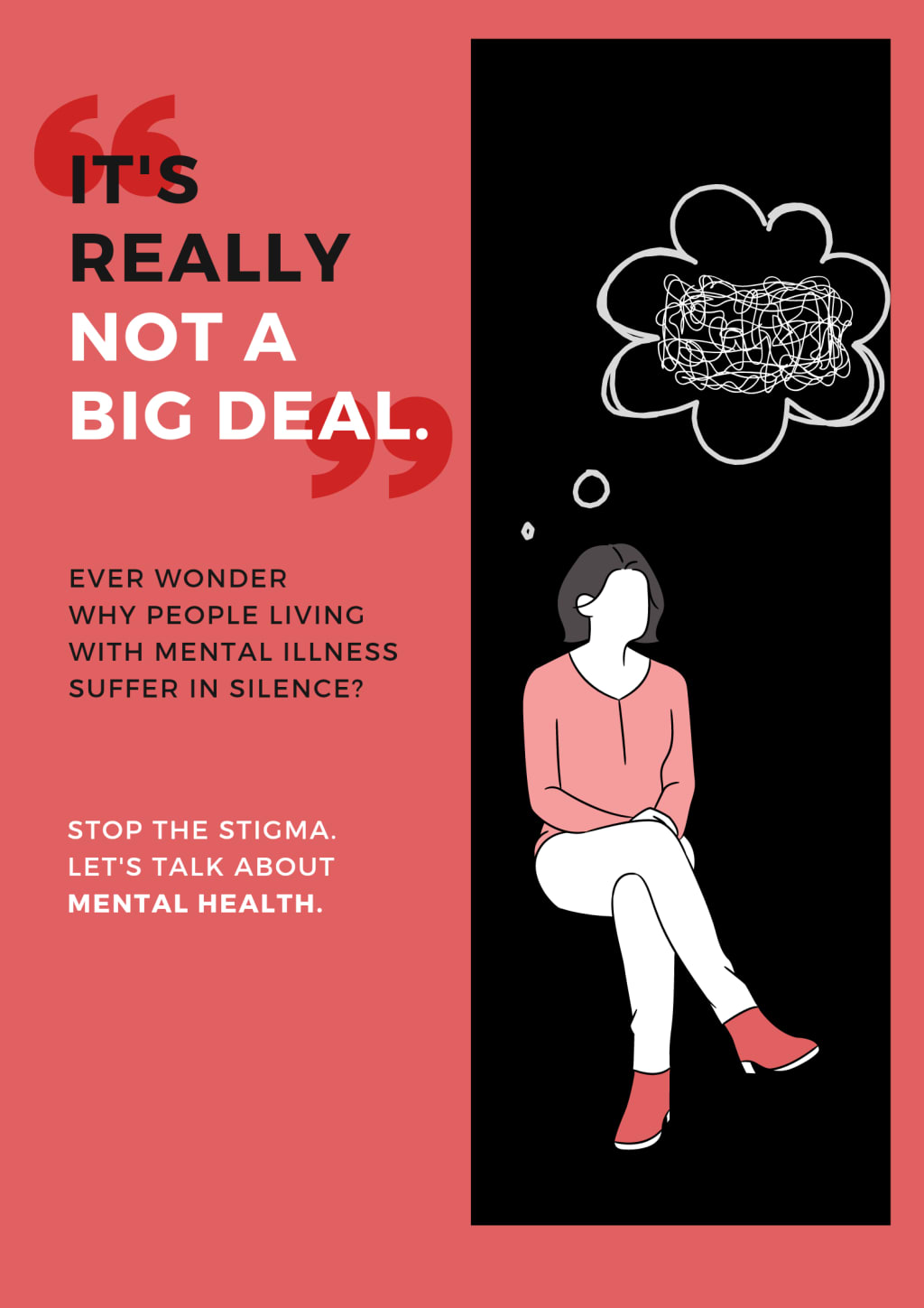
Mental health involves a person's physical, psychological, and social wellness. It affects how a person thinks, feels, and behaves, and it plays a crucial role in overall health and happiness. Improving mental health can have many benefits, including increased happiness, reduced stress and anxiety, improved relationships, and increased overall life satisfaction.
Here are certain ways to improve mental health:
1. Exercise regularly: Regular physical activity has been shown to improve mood, reduce stress and anxiety, and boost self-esteem.
Some of the benefits of regular exercise include:
Improved physical health: Exercise can help improve cardiovascular health, strengthen bones and muscles, and reduce the risk of chronic diseases such as heart disease, diabetes, and certain cancers.
Better mood: Exercise has been shown to release endorphins, the body's natural mood-boosting chemicals, which can help reduce symptoms of depression and anxiety.
Increased energy: Regular exercise can increase energy levels and help combat feelings of fatigue.
Improved cognitive function: Exercise has been shown to improve memory and cognitive function and may even help protect against age-related cognitive decline.
It's important to find an exercise routine that you enjoy and that fits into your lifestyle and to make it a regular part of your routine. Aim for at least 30 minutes of moderate-intensity exercise, such as brisk walking, most days of the week.
2. Get proper sleep: Adequate sleep is important for pleasant mental health. Most adults need 7-9 hours of sleep per night to feel refreshed and rejuvenated.
3. Eat a healthy diet: A balanced diet provides essential nutrients, energy, and fiber, and can help prevent chronic diseases and maintain a healthy weight. Here are some reasons why eating a healthy diet is important:
Improved physical health: A healthy diet provides essential nutrients for good physical health, including vitamins, minerals, and antioxidants, which can help reduce the risk of chronic diseases such as heart disease, diabetes, and certain cancers.
Better brain function: A healthy diet rich in fruits, vegetables, whole grains, and healthy fats has been shown to improve cognitive function, memory, and mood.
Increased energy: Eating a balanced diet can provide sustained energy levels throughout the day, without the sugar crashes associated with unhealthy, high-sugar diets.
Improved mood: A diet rich in fruits, vegetables, whole grains, and healthy fats has been shown to improve mood and reduce symptoms of depression and anxiety.
Weight management: A healthy diet, combined with regular exercise, can help maintain a healthy weight and prevent obesity and related health problems.
Better digestion: A diet rich in fiber-rich foods, such as fruits, vegetables, and whole grains, can improve digestion and prevent conditions such as constipation and diverticulitis.
Better sleep: A healthy diet can promote better sleep by providing the nutrients needed for a good night's rest, such as magnesium and calcium.
4. Reduce stress: Stress can take a toll on mental health, so it's important to find healthy ways to manage it, such as through mindfulness, deep breathing exercises, or physical activity.
5. Connect with others: Strong social connections and positive relationships can provide support and help reduce feelings of isolation and loneliness.
6. Practice mindfulness: Practicing mindfulness involves paying attention to the present moment, without judgment, and can have many benefits for physical and mental well-being. Mindfulness can also help improve mood, reduce stress, and increase overall well-being. Mindfulness can be practiced through activities such as meditation, deep breathing exercises, yoga, or simply paying attention to the present moment during daily activities such as eating or walking. The key is to find a mindfulness practice that works for you and to make it a regular part of your routine.
7. Seek professional help if needed: If you are experiencing symptoms of mental health conditions, such as depression or anxiety, it's important to seek help from a mental health professional.
Remember that everyone's mental health journey is unique, and what works for one person may not work for another. It's important to find what works best for you and to be patient and persistent in your efforts to improve your mental health.
About the Creator
PAVITHRA P
Hello! I am a passionate and dedicated writer with a keen eye for detail and a love for writing. My writing journey began at a young age, where I discovered the power of words to transport, inspire, and connect people.
Enjoyed the story? Support the Creator.
Subscribe for free to receive all their stories in your feed.
Comments
There are no comments for this story
Be the first to respond and start the conversation.