
Impact of outdoor air pollution on lung cancer and Other disease - Unveiling the Silent Threat
Outdoor air pollution

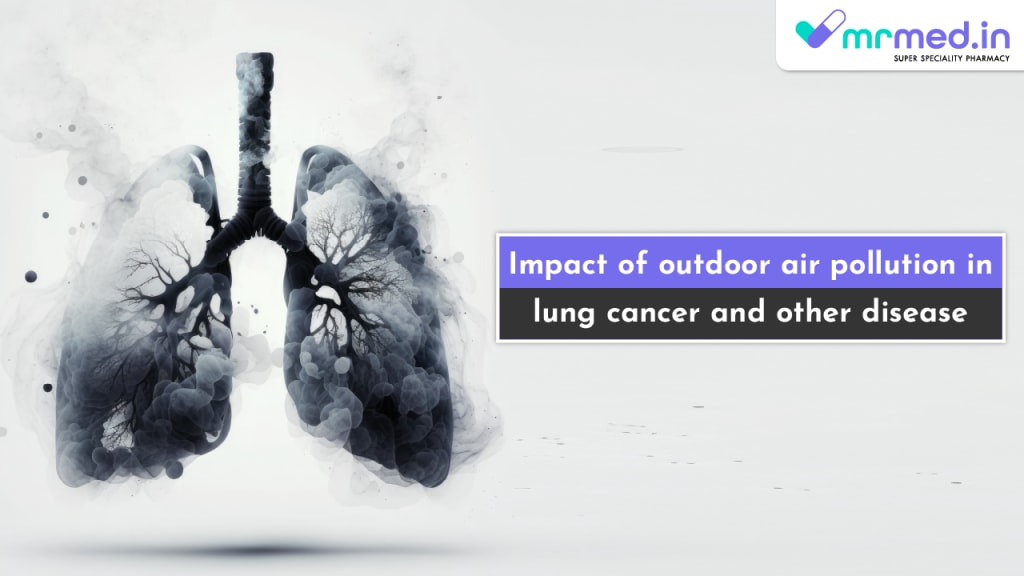
Air pollution, including high levels of particulate matter and other harmful pollutants, has been linked to various health issues, like Respiratory Diseases, Cardiovascular Diseases, Allergies, and Allergic Reactions, including an increased risk of lung cancer.
Outdoor air pollution can have a significant impact on the development and progression of lung cancer. Here are some key points regarding the impact of outdoor air pollution on lung cancer:
Increased Risk of Lung Cancer: Exposure to outdoor air pollution, particularly fine particulate matter (PM2.5) and certain toxic chemicals, is associated with an increased risk of developing lung cancer. These pollutants can penetrate deep into the lungs and cause DNA damage, leading to the development of cancerous cells.
Carcinogen Exposure: Outdoor air pollution contains a variety of carcinogens that can be inhaled into the lungs. These carcinogens can damage the DNA in lung cells and lead to the formation of cancerous cells. Prolonged exposure to polluted air increases the likelihood of encountering these harmful substances and increases the risk of developing lung cancer.
Synergistic Effects of Smoking: Smoking is the leading cause of lung cancer, but when combined with exposure to outdoor air pollution, the risk is further increased. Studies have shown that individuals who smoke and are exposed to polluted air have a higher risk of developing lung cancer compared to smokers in cleaner environments.
Impact on Survival and Treatment: For individuals diagnosed with lung cancer, exposure to outdoor air pollution can negatively impact prognosis and treatment outcomes. Poor air quality can exacerbate respiratory symptoms, reduce lung function, and compromise the effectiveness of treatments such as chemotherapy and radiation therapy.
Disproportionate Impact on Vulnerable Populations: Outdoor air pollution tends to be higher in urban areas and can disproportionately affect vulnerable populations, including low-income communities and individuals with pre-existing health conditions. These populations may already have an increased susceptibility to lung cancer, and exposure to polluted air further exacerbates their health risks.
It is worth noting that while outdoor air pollution is a significant contributing factor to lung cancer, it is often multifactorial. Other risk factors such as smoking, occupational exposures, genetic predisposition, and lifestyle choices also play a role in the development of lung cancer.
Accessing lung cancer medications has become increasingly convenient with the availability of both offline and online options. In particular, online pharmacies like MrMed are transforming the way people acquire their necessary medications by making medications more affordable and accessible, with discounts of up to 85% on super specialty medicines specifically used in lung cancer treatment.
Impact of outdoor air pollution on other diseases: -
Respiratory Diseases: Outdoor air pollution is a known risk factor for various respiratory diseases, including chronic obstructive pulmonary disease (COPD), asthma, bronchitis, and respiratory infections. Pollutants irritate and inflame the airways, leading to respiratory symptoms, reduced lung function, and increased susceptibility to respiratory infections.
Cardiovascular Diseases: Long-term exposure to outdoor air pollution is associated with an increased risk of cardiovascular diseases, such as heart attacks, strokes, and hypertension. The fine particulate matter (PM2.5) and other pollutants in the air can enter the bloodstream, causing inflammation, oxidative stress, and damage to blood vessels, leading to cardiovascular problems.
Allergies and Allergic Reactions: Outdoor air pollution can worsen allergic reactions and contribute to the development of allergies. Pollutants can act as adjuvants, exacerbating immune responses and triggering allergic symptoms in susceptible individuals.
Neurological Effects: Studies suggest that exposure to air pollution, particularly fine particulate matter (PM2.5) and traffic-related pollutants, may have detrimental effects on the central nervous system. It has been linked to neurodevelopmental disorders in children, cognitive decline in older adults, and an increased risk of neurodegenerative diseases such as Alzheimer's and Parkinson's diseases.
Adverse Birth Outcomes: Pregnant women exposed to high levels of outdoor air pollution may face an increased risk of adverse birth outcomes. It has been associated with low birth weight, preterm birth, developmental issues, and an increased risk of childhood respiratory conditions.
Premature Death: Studies have shown that long-term exposure to outdoor air pollution is associated with a higher risk of premature death from respiratory and cardiovascular diseases. The harmful effects of pollutants can have a cumulative impact on overall health, leading to decreased life expectancy.
Addressing outdoor air pollution requires collective efforts from governments, industries, and individuals. Implementing stricter air quality regulations, promoting sustainable transportation, reducing industrial emissions, and raising awareness about the importance of clean air are essential steps toward protecting public health and reducing the burden of lung cancer and other associated diseases. Get useful & latest information about cancer and other diseases from MrMed Health Library.
About the Creator
MrMed.in
Welcome to MrMed, India's most preferred online super specialty pharmacy with up to 85% discount on Cancer, HIV/AIDS, Kidney Care, Hepatitis, Arthritis & others.
Please visit: https://www.mrmed.in/
Enjoyed the story? Support the Creator.
Subscribe for free to receive all their stories in your feed.
Comments
There are no comments for this story
Be the first to respond and start the conversation.