
I Reversed My Fatty Liver Without a Single Tomato – Here's Why That Viral Study Is Lying to You
A 2026 study claimed tomatoes "significantly reduce" liver fat in 6 weeks. I dug into the data, and the truth is way more boring (and way more effective).
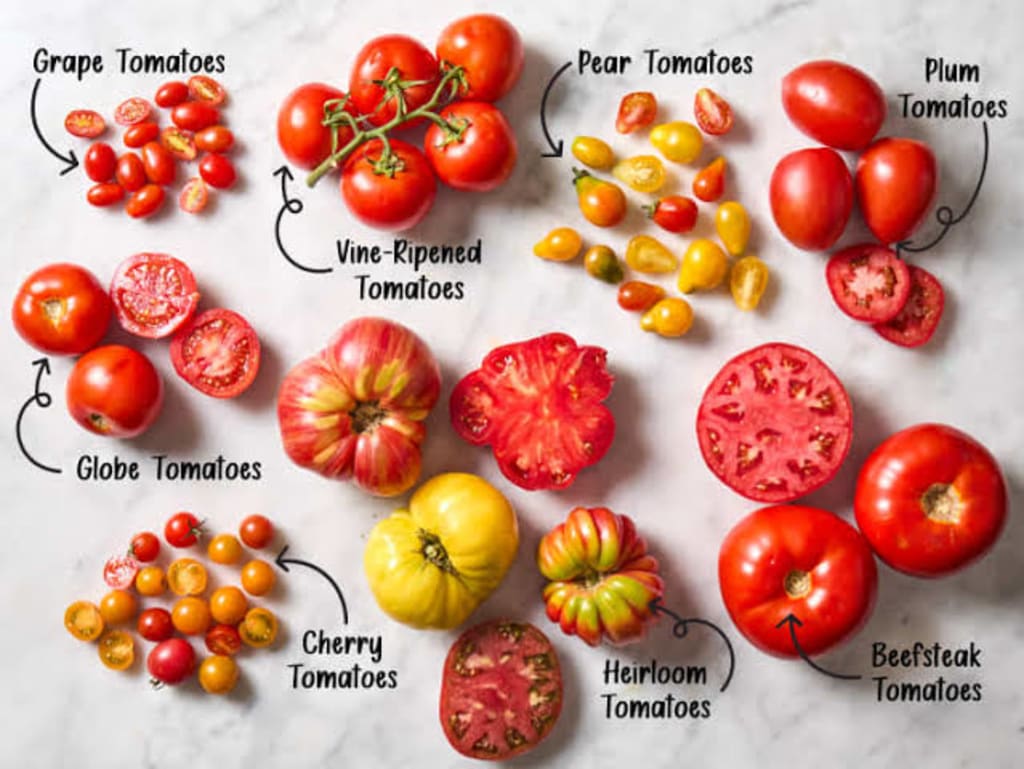
Lately, my social feed has been flooded with headlines about a "groundbreaking 2026 study."
The titles are pure clickbait: "Eating Tomatoes Daily Significantly Reduces Fatty Liver in Just 6 Weeks!" "Raw and Cooked Together Doubles the Liver-Protecting Effect!"
The comment sections are ecstatic: "As a lifelong tomato-and-egg-stir-fry loyalist, am I basically invincible now?" "Heading to the wholesale market tonight for two crates of cherry tomatoes." "Finally, a 'therapy' I can actually stick to."
As someone who was once ordered by a hepatologist to lose weight, and who dragged his liver enzymes back to normal through strict diet and exercise, my first reaction to this news wasn't excitement. It was a sinking feeling.
The media is peddling "statistical significance" as "clinical cure" to harvest clicks.
I dug up the original paper, published in Nutrients, codenamed the "POMOSANO trial." After reading the data, I let out a long breath.
Tomatoes are great. But if you're counting on them to passively cure your fatty liver, you're probably going to lose your shirt.
1. The Study Is Real, but "Significant" Is Heavily Watered Down
The study itself is methodologically sound.
Researchers from the National Institute of Gastroenterology in Bari, Italy, recruited 79 non‑obese adults with mild‑to‑moderate metabolic dysfunction‑associated steatotic liver disease (MASLD) and split them into two strict groups:
Tomato group: 200 g raw tomatoes + 50 g tomato paste daily for 6 weeks.
Control group: Zero tomatoes for 6 weeks.
After 6 weeks, the tomato group's liver CAP value – the fatty quantification measured by FibroScan – dropped by an average of 35 dB/m. The control group dropped by 18 dB/m.
The media claimed: "Tomato group's reduction is double the control! Amazing!"
But 35 minus 18 equals 17. The actual marginal contribution of tomatoes is only 17 dB/m.
Even after the researchers ran complex statistical adjustments for age, sex, and BMI to push the difference to 26.63 dB/m, they still couldn't escape an awkward clinical reality: the FibroScan machine itself has a measurement error (IQR) of up to 40 dB/m.
In other words, the data fluctuation from eating tomatoes for 6 weeks is smaller than the error margin between two measurements taken on the same person, same machine, just hours apart. To a clinician, that difference is roughly equivalent to the machine sneezing – it carries zero diagnostic weight for "reversal."
More telling: the paper's authors themselves labelled their findings as "hypothesis‑generating." Academic code for: "We're floating an idea. Someone with funding should run a proper biopsy‑based trial to verify it. For now, take these results with a grain of salt."
2. The 18 dB/m the Control Group Got for Free Reveals Fatty Liver's Ultimate Secret
Why did the control group's liver fat drop when they ate zero tomatoes?
The answer is simple: the mere act of being watched triggers change.
Once enrolled, subjects had weekly dietary follow‑ups and were handed standardised meal guidelines. Subconsciously, they started ordering less takeout and cutting back on sugary drinks. Simply because their daily rhythm became a little more disciplined, their liver fat began to melt off on its own.
The real "wonder drug" for fatty liver has never been some exotic superfood. It's awareness of your own body.
So should we toss tomatoes in the trash? Of course not.
3. How to Eat Tomatoes Right: Don't Treat Them as Medicine, but Do Treat Them as Treasure
You can't rely on tomatoes to reverse fatty liver, but they're still an A‑list player in the fruit‑and‑veg world. The only problem is that most people aren't eating them correctly.
Lycopene is fat‑soluble and locked inside cell walls. If you eat tomatoes raw, your absorption rate is only about 10%. But when you heat them (sauté, stew, simmer) and pair them with a small amount of quality fat (olive oil or even the natural fat from meat), absorption skyrockets by 2 to 3 times.
The study's protocol is scientifically sound – a mix of raw and cooked, with fat as a catalyst.
Here's a practical golden formula:
Morning or snack: eat 200 g of raw cherry tomatoes (for vitamin C, hydration, and refreshment).
Lunch or dinner: have a dish made with 50 g of sugar‑free pure tomato paste – think tomato‑braised beef brisket, tomato scrambled eggs, or an Italian vegetable soup.
Two red lines are non‑negotiable:
Never eat green/unripe tomatoes – they contain solanine, which is genuinely toxic.
Never mistake commercial ketchup or tomato sauce for a health food – read the ingredient list. Sugar is almost always in the top three. That's a hidden liver killer.
4. There Are No Shortcuts in the Fatty Liver Clinic
As someone who dragged his liver from "moderate" to "clear," I know that craving for a shortcut all too well. Who wouldn't want to solve the problem just by chewing?
But reality is brutal: if 200 g of tomatoes a day could scrape fat off your liver, hepatologists would have already switched to selling smoothies.
The real, clinically proven, no‑nonsense path to reversing fatty liver is tediously boring and tediously effective.
If you're overweight, lose 10% of your body weight. That's a hard target. Liver fat drops proportionally with weight loss.
Cut out all added sugar. Milk tea, sweetened beverages, refined pastries – these are the main drivers of insulin resistance and hepatic fat accumulation.
Stop drinking alcohol. No negotiations.
Get 150 minutes of moderate‑to‑vigorous exercise per week. You don't need a gym. Brisk walking, stair‑climbing, or home workout videos are perfectly fine.
Hundreds of years ago, Europeans shunned tomatoes because they feared poisoning. Hundreds of years later, we deify tomatoes to escape self‑discipline. History repeats itself – we keep outsourcing our own responsibilities to external objects.
Throw tomatoes into your stew and enjoy their flavour. Put exercise into your schedule and break a sweat. The former brings you pleasure; the latter brings you health.
As for that paper? Let it sit quietly in the database, waiting for someone with a biopsy needle to test it properly.
For the rest of us, focus on the simple, everyday rituals of eating well and moving more. That beats any headline.
About the Creator
Jin
Writer of reamstories
https://reamstories.com/jin
Enjoyed the story? Support the Creator.
Subscribe for free to receive all their stories in your feed. You could also become a paid subscriber, letting them know you appreciate their work.
Comments
There are no comments for this story
Be the first to respond and start the conversation.