
I’m a Neuroscientist & I Do These 3 Overlooked Exercises Daily to Age Better
Simple daily habits most people ignore — but science shows they can strengthen your brain, improve memory, and slow cognitive aging.

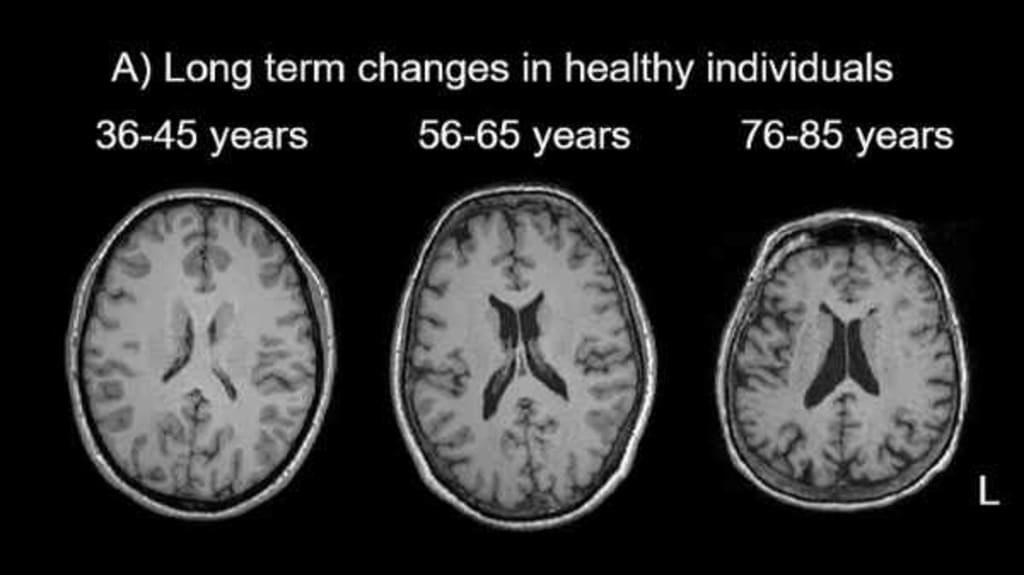
I am a neuroscientist, and to improve aging, I do these 3 often overlooked exercises daily.
You may have never heard of them.
Aging is often described as a fact that we just “accept.” Wrinkles appear, energy diminishes, memory starts to weaken, and people think this is just a part of nature.
But in neuroscience, aging is not considered an inevitable decline. It is seen as a process that can be influenced, slowed down, and in some cases even improved—if daily habits are right.
The human brain is astonishingly adaptable. Even with age, it continues to form new neural connections and strengthens old pathways. This ability is called neuroplasticity. Research shows that your movement, thinking, and daily activities profoundly affect the brain's age.
I have spent years researching learning and brain performance. Over time, I have incorporated three simple yet highly effective exercises into my daily routine that not only improve physical health but also enhance brain health, mental clarity, and long-term performance.
These are not expensive fitness trainings or modern 'health hacks.' The truth is, most people overlook them.
1. Cross-Body Coordination Movements
Most people exercise in a straight line, like running, walking, or cycling. This is good for the body, but it does not fully challenge the brain.
A powerful yet overlooked exercise is cross-body movements, where one part of the body works together with the opposite part of the brain.
Examples:
> Touching the right elbow to the left knee while standing
> Moving arms and legs alternately in a balanced manner
> Slow and controlled cross stretching
It seems simple, but it activates both parts of the brain together. This improves communication between the two parts of the brain.
Its benefits:
Better balance and coordination
Faster reaction
Increased mental flexibility
As we age and the brain starts to slow down, this exercise keeps it active.
2. Silent One-Minute Memory Recall Exercise
The fear of memory weakening is the most common fear as one ages. But memory is not just about storing information, it's also the ability to recall it.
This exercise is very simple:
Sit quietly once a day and recall for one minute:
- Your entire morning routine in reverse order
- Or the food you ate yesterday
- Or the names of people you recently met
No mobile, no notes—just use your brain.
This exercise activates the hippocampus part of the brain, which is the center of memory. It gives the brain practice in retrieving information.
Results:
- Improvement in memory
- Reduced mental fog
- Better focus
3. Slow Visual Scanning in Silence
Nowadays, the mind is constantly filled with rapid visual information—screens, notifications, and quickly changing scenes. This weakens the brain's attention capacity.
The solution is a simple exercise: slow visual scanning.
Method:
- Sit in a quiet place
- Choose one object (a wall, tree, or room)
- Slowly observe every detail carefully
- Notice the colors, shapes, and shadows
Practice this for 3–5 minutes daily.
It strengthens the brain's attention system and increases mental calmness.
Benefits:
- Better focus
- Mental calmness
- Emotional balance
Why are these exercises important?
Most people think that aging is only related to diseases or supplements. But the brain does not work that way.
These exercises are effective because:
They activate different parts of the brain
They are simple and consistent
They cost nothing
They strengthen the brain in the long term
Final Thought
The brain does not naturally weaken—it is a result of how it is used.
If you do not challenge it, it becomes sluggish. But if you challenge it daily with movement, memory, and attention, it stays strong.
These exercises may seem small, but over time they play a big role in protecting the brain.
About the Creator
Mohib Ullah
I write about crime, justice, and political affairs, focusing on real cases and current events. My goal is to deliver clear, research-based content that informs readers about law, society, and government systems.
Enjoyed the story? Support the Creator.
Subscribe for free to receive all their stories in your feed.
Comments
There are no comments for this story
Be the first to respond and start the conversation.