
Hypothyroidism Demystified: A Clear and Simple Guide to Your Thyroid Health
Living with Hypothyroidism: Coping Strategies and Lifestyle Changes for Better Management
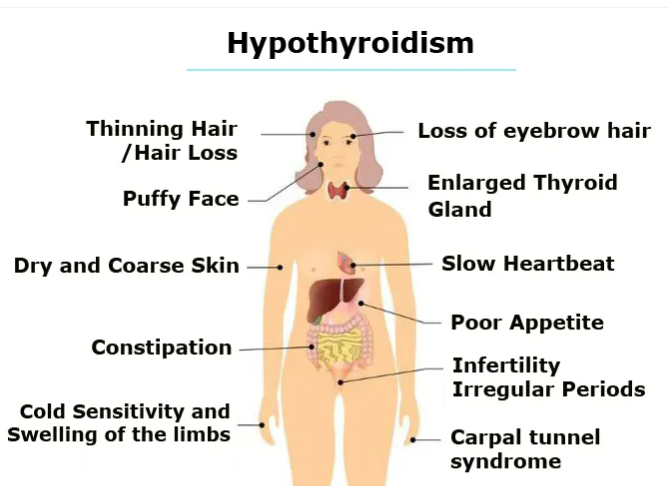
Overview of Hypothyroidism: Symptoms, Causes, and Diagnosis
The thyroid gland is a small, butterfly-shaped gland located in the neck, just below the Adam's apple. It produces hormones that regulate the body's metabolism, or the rate at which it uses energy. When the thyroid gland doesn't produce enough hormones, the result is hypothyroidism, a condition that affects millions of people worldwide.
Symptoms of Hypothyroidism
The symptoms of hypothyroidism can vary widely from person to person, and may develop slowly over time. Some of the most common symptoms include:
- Fatigue and weakness
- weight gain or difficulty losing weight
- Cold intolerance
- Dry skin and hair
- Hair loss
- Constipation
- Depression or mood changes
- Joint pain or stiffness
- Muscle aches and weakness
- Heavy or irregular periods
Causes of Hypothyroidism
There are several possible causes of hypothyroidism, including:
Autoimmune disease: The most common cause of hypothyroidism in developed countries is an autoimmune condition called Hashimoto's thyroiditis. In this condition, the immune system attacks the thyroid gland, leading to inflammation and damage over time.
Thyroid surgery: If a person undergoes surgery to remove part or all of the thyroid gland, they may develop hypothyroidism if too little thyroid tissue is left behind.
Radiation therapy: If a person receives radiation therapy to the neck or head for cancer treatment, they may develop hypothyroidism as a result of damage to the thyroid gland.
Medications: Certain medications, such as lithium, can interfere with thyroid hormone production and lead to hypothyroidism.
Diagnosis of Hypothyroidism
If a person is experiencing symptoms of hypothyroidism, their doctor may order one or more tests to diagnose the condition. These tests may include:
Thyroid-stimulating hormone (TSH) test: This blood test measures the level of TSH, a hormone produced by the pituitary gland that stimulates the thyroid gland to produce thyroid hormones. In people with hypothyroidism, TSH levels are typically elevated, as the pituitary gland tries to stimulate the thyroid gland to produce more hormones.
Free thyroxine (T4) test: This blood test measures the level of T4, one of the main thyroid hormones. In people with hypothyroidism, T4 levels are typically low.
Thyroid antibody tests: These blood tests can help diagnose autoimmune thyroid disease by measuring the levels of antibodies that attack the thyroid gland.
In some cases, imaging tests such as a thyroid ultrasound may be ordered to assess the size and appearance of the thyroid gland.
Treatment of Hypothyroidism
The most common treatment for hypothyroidism is hormone replacement therapy, which involves taking a daily dose of synthetic thyroid hormone. This medication is typically taken orally, and works to restore normal thyroid hormone levels in the body. Once a person starts taking thyroid hormone replacement therapy, they may need to have their hormone levels checked regularly to ensure that they are taking the correct dosage.
In addition to hormone replacement therapy, lifestyle changes such as eating a balanced diet and exercising regularly can help manage symptoms of hypothyroidism and support overall health.
The Digital program designed by Lyzabeth Lopez to do lifestyle changes such as eating a balanced diet and exercising regularly can help manage symptoms of hypothyroidism.
About the Trainer
Lyzabeth Lopez is a fitness trainer, model, and author from Canada who is known for her expertise in training women and helping them achieve their fitness goals. She is the creator of the Hourglass Workout, which focuses on building a curvy, strong, and healthy body shape.
Lopez has been involved in the fitness industry for over 20 years and has developed her own unique approach to training that focuses on combining strength training, cardio, and nutrition to achieve optimal results. Her Hourglass Workout has gained popularity among women who are looking to build a rounder booty, toned legs, and a small waistline.
In addition to her work as a trainer, Lopez is also a model and has been featured in numerous fitness magazines and campaigns. She has also authored several books, including "The Hourglass Solution: A Booming Female Fitness Phenomenon," which provides guidance and inspiration for women looking to achieve their fitness goals.
Lopez is a firm believer in the importance of a holistic approach to health and fitness, which includes not only physical exercise but also mental and emotional wellbeing. She emphasizes the importance of positive thinking, self-care, and balance in all aspects of life.
Overall, Lyzabeth Lopez is a well-respected and highly sought-after fitness trainer and model who has made a significant impact in the fitness industry. Her innovative approach to training and focus on building a strong, healthy, and confident body has inspired many women to take charge of their health and fitness journey.
"Disclaimer"- We want to be transparent and inform you that some of the links in this product review may result in a small commission for us, at no extra cost to you, if you choose to purchase the recommended product. This helps us to support our research and editorial teams, and we want to assure you that we only recommend high-quality products that we believe in."
About the Program-
The hypothyroid plan is created for those looking to lose fat & gain muscle. It will only be helpful for those that actually have issues with hypothyroidism. This eating plan is not a substituted for medical treatment and we do recommend that you show it to your doctor before starting.
The Connection Between Hypothyroidism and Weight Gain
The thyroid hormones produced by the thyroid gland play a crucial role in regulating the body's metabolism, or the rate at which it uses energy. When the thyroid gland doesn't produce enough hormones, the body's metabolism slows down, leading to a decrease in the number of calories burned each day. This can cause weight gain, even if a person is eating the same amount of food as they did before their hypothyroidism developed.
In addition to slowing down metabolism, hypothyroidism can also lead to other changes in the body that contribute to weight gain. For example, individuals with hypothyroidism may experience fluid retention, which can lead to bloating and weight gain. They may also have a decrease in muscle mass, which can further slow down their metabolism and make it harder to lose weight.
The Role of Nutrition & Exercise in Managing Hypothyroidism
Nutrients Important for Thyroid Function
The thyroid gland requires several key nutrients to produce thyroid hormones, including iodine, selenium, zinc, and iron. These nutrients are critical for the production and conversion of thyroid hormones, and deficiencies in any of them can contribute to hypothyroidism.
Iodine is particularly important for thyroid function, as it is a key component of thyroid hormones. Seafood, seaweed, and iodized salt are all good sources of iodine. Selenium is also important for thyroid function, as it is necessary for the conversion of T4 to the active form of thyroid hormone, T3. Brazil nuts, seafood, and organ meats are all good sources of selenium. Zinc is another mineral that is important for thyroid function, as it is involved in the production and conversion of thyroid hormones. Oysters, beef, and pumpkin seeds are good sources of zinc. Finally, iron is important for thyroid function, as it is necessary for the production of thyroid hormones. Red meat, poultry, and fortified cereals are all good sources of iron.
Optimizing Your Diet for Managing Hypothyroidism
While there is no one-size-fits-all diet for managing hypothyroidism, there are some general guidelines that can be helpful. These include:
Focus on Whole Foods: Eating a diet that is rich in whole foods such as fruits, vegetables, whole grains, lean protein, and healthy fats can provide the nutrients necessary for thyroid function and support overall health.
Limit Processed Foods: Processed foods are often high in sugar, unhealthy fats, and other additives that can contribute to inflammation and disrupt thyroid function. It's best to limit or avoid processed foods as much as possible.
Eat Enough Calories: While weight gain can be a symptom of hypothyroidism, it's important to eat enough calories to support thyroid function and overall health. Eating too few calories can slow down metabolism and make it harder to manage symptoms.
Consider Gluten-Free: Some individuals with hypothyroidism may benefit from a gluten-free diet, as gluten can contribute to inflammation and disrupt thyroid function in some people.
Consider Supplementing: While it's best to get nutrients from food whenever possible, some individuals with hypothyroidism may benefit from supplementing with iodine, selenium, or other nutrients. It's important to work with a healthcare provider to determine if supplementation is necessary and what dosages are appropriate.
Join a program specially designed for Hypothroidism by Lyzabeth Lopez who is fitness trainer, model, and author from Canada who is known for her expertise in training women and helping them achieve their fitness goals.
Benefits of Exercise for Managing Hypothyroidism
Exercise can provide a range of benefits for individuals with hypothyroidism, including:
Improved Metabolism: Exercise can help boost metabolism, which can be beneficial for individuals with hypothyroidism who often have a slower metabolism.
Weight Management: Exercise can help manage weight gain, which is a common symptom of hypothyroidism.
Improved Energy: Exercise can help boost energy levels and reduce fatigue, which are common symptoms of hypothyroidism.
Reduced Inflammation: Exercise can help reduce inflammation, which can contribute to thyroid dysfunction.
Improved Mood: Exercise can help improve mood and reduce symptoms of depression and anxiety, which are common in individuals with hypothyroidism.
Developing an Exercise Program for Managing Hypothyroidism
When developing an exercise program for managing hypothyroidism, it's important to take a gradual and safe approach. Some tips for developing an exercise program include:
Consult with a Healthcare Provider: Before starting an exercise program, it's important to consult with a healthcare provider to ensure that it is safe and appropriate for your individual needs and health status.
Start Slow: It's important to start with low-intensity exercises, such as walking or yoga, and gradually increase the intensity and duration of the exercise over time.
Incorporate Strength Training: Strength training can help build muscle mass, which can help boost metabolism and manage weight gain.
Listen to Your Body: It's important to listen to your body and rest when necessary. Over-exercising can actually have a negative impact on thyroid function and exacerbate symptoms.
Be Consistent: Consistency is key when it comes to exercise. Aim for at least 30 minutes of moderate-intensity exercise most days of the week.
About the Creator
Enjoyed the story? Support the Creator.
Subscribe for free to receive all their stories in your feed.
Comments
There are no comments for this story
Be the first to respond and start the conversation.