
BACK PAIN
Back pain is a common issue that can have a variety of causes. Some common causes include muscle strain or sprain, a herniated disc, osteoarthritis, and spinal stenosis. Other causes can include poor posture, obesity, or a sedentary lifestyle. To understand and care for back pain, it is important to consult a healthcare professional to determine the specific cause of the pain and develop an appropriate treatment plan. Treatment options may include physical therapy, pain medication, exercise, and/or lifestyle changes. In some cases, surgery may be necessary. It is also important to maintain a healthy weight, engage in regular exercise, and maintain good posture to prevent future occurrences of back pain.
THE BACKBONE
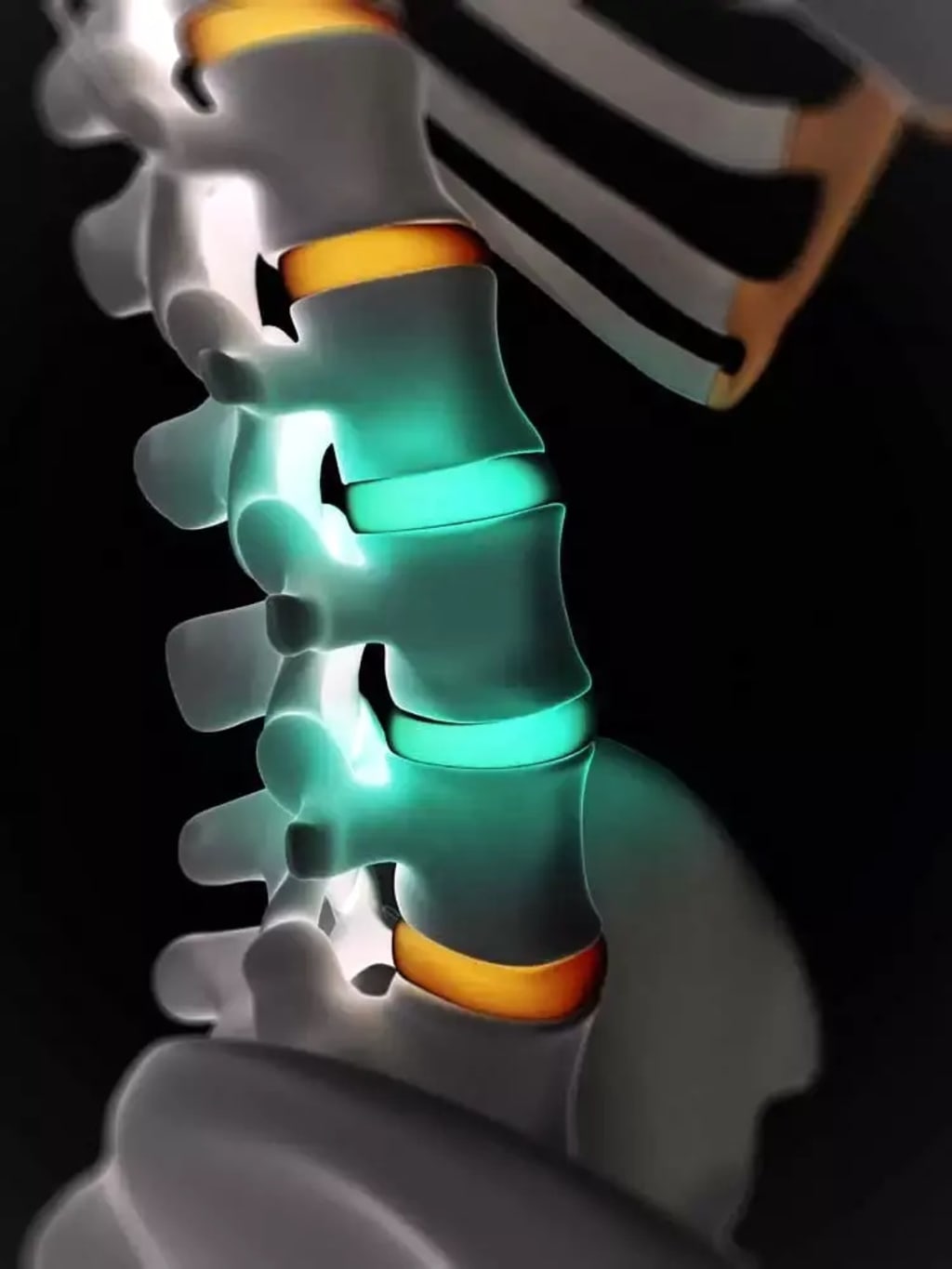
The backbone, also known as the spinal column or vertebral column, is the structural foundation of the human body's spinal cord. It is made up of a series of interconnected bones, called vertebrae, that extend from the skull to the pelvis. The vertebrae are separated by intervertebral discs, which act as cushions and allow for flexibility and movement of the spine. The backbone is divided into four regions: the cervical (neck), thoracic (upper back), lumbar (lower back), and sacral (tailbone) regions. Each region has a different number of vertebrae and performs different functions, such as protecting the spinal cord and supporting the body's weight. The backbone also plays a role in movement and balance, and any damage or dysfunction in the backbone can cause pain, weakness, and other symptoms.
Back pain may be due to problems
with the muscles, nerves, bones, and other structures in the back. Some common causes of back pain include:
Muscle strain or sprain: Overuse or injury to the muscles and ligaments in the back can cause pain and stiffness.
Herniated disc: Also known as a slipped or ruptured disc, this occurs when the soft center of a spinal disc bulges out and presses on a nerve root.
Osteoarthritis: This is a degenerative condition that affects the joints in the spine, causing pain and stiffness.
Spinal stenosis: A narrowing of the spinal canal, which can put pressure on the nerves and cause pain.
Sciatica: This is a condition where the sciatic nerve, which runs from the lower back through the legs, is compressed or irritated, causing pain, tingling, and numbness.
Scoliosis: An abnormal curvature of the spine that can cause pain and other symptoms.
Poor posture: Maintaining poor posture for prolonged periods can cause strain on the muscles and lead to back pain.
Obesity: Carrying extra weight can put extra strain on the back and increase the risk of pain.
These are just a few examples of the many possible causes of back pain. A proper diagnosis from a healthcare professional is needed to determine the specific cause of your pain and develop an appropriate treatment plan.
EXERCISE FOR BACK PAIN
Exercise is an important part of managing and preventing back pain. However, it's important to consult with a healthcare professional or physical therapist before starting any exercise program, as certain types of exercise may be beneficial or detrimental, depending on the cause of your back pain.
Here are a few exercises that may help alleviate back pain:
Strengthening exercises: Strengthening the muscles that support the back, such as the abdominal, back and glutes muscles, can help alleviate back pain.
Stretching exercises: Stretching the muscles in the back and legs can help improve flexibility and reduce pain.
Aerobic exercise: Aerobic exercises, such as walking, biking, or swimming, can help improve overall fitness and reduce the risk of back pain.
Yoga and Pilates: These types of exercise can help improve balance, flexibility, and core strength, which can help alleviate back pain.
It is important to start slowly and gradually increase the intensity and duration of the exercises. Also, listen to your body, if an exercise causes increased pain, it should be stopped.
It is also important to maintain good posture during exercise and avoid exercises that put excessive strain on the back.
TIME DURATION EXERCISE FOR BACK PAIN
The duration of exercise for back pain will vary depending on the individual and the specific cause of the pain. In general, it is recommended to start with a low-impact, short-duration exercise routine and gradually increase the duration and intensity as the pain improves.
The American College of Sports Medicine recommends adults engage in at least 150 minutes of moderate-intensity aerobic activity or 75 minutes of vigorous-intensity aerobic activity per week, or a combination of both. It also advises muscle-strengthening activities that involve all major muscle groups at least 2 days per week.
In terms of specific exercises for back pain, it is recommended to start with 10-15 minutes of stretching and strengthening exercises and gradually increase the duration to 30 minutes or more as the pain improves.
It's also important to note that exercise alone may not be enough to fully alleviate back pain, and other treatments such as medication, physical therapy, or lifestyle changes may also be necessary. It is always best to consult with a healthcare professional or physical therapist to develop an exercise plan that is tailored to your specific needs and condition.
5 Simple Stretches to Relieve Lower Back Pain
Cat-Cow: Start on your hands and knees with your wrists under your shoulders and your knees under your hips. Inhale and arch your back, lifting your head and tailbone. Exhale and round your back, tucking your head and tailbone. Repeat several times.
Child's Pose: Start on your hands and knees with your wrists under your shoulders and your knees under your hips. Sit back on your heels and stretch your arms forward, resting your forehead on the ground.
Hamstring stretch: Sit on the floor with one leg extended and the other bent. Reach forward and try to touch your toes, keeping your back straight. Hold for 15-30 seconds and then switch sides.
Knee-to-chest stretch: Lie on your back with your knees bent and feet flat on the floor. Bring one knee up to your chest and hold for 15-30 seconds. Repeat with the other leg.
Pelvic tilt: Lie on your back with your knees bent and feet flat on the floor. Tighten your abdominal muscles and tilt your pelvis towards your ribcage. Hold for a few seconds and then release.
It is important to always listen to your body and not push yourself too hard. If a stretch causes increased pain, stop the stretch and consult with a healthcare professional or physical therapist before continuing.
INVESTIGATING LONG-TERM BACKACHE
Long-term backache, also known as chronic back pain, is defined as pain that persists for more than 12 weeks. It can be caused by a variety of factors, including injury or damage to the muscles, bones, or other structures in the back, as well as underlying conditions such as arthritis, scoliosis, or spinal stenosis.
To investigate long-term backache, a healthcare professional will typically conduct a physical examination and take a detailed medical history. They may also order imaging tests, such as X-rays, MRI, or CT scans to help identify any structural problems in the spine.
Additionally, a healthcare professional may also refer a patient to a physical therapist for an evaluation, to assess the patient's flexibility, strength, and overall function.
If the pain is due to an underlying condition, the healthcare professional may recommend treatments such as medication, physical therapy, or surgery. If the cause is not clear, the healthcare professional may recommend a multidisciplinary approach, which may include a combination of treatments such as physical therapy, medication, psychological support, and lifestyle changes.
It is important to note that chronic back pain can also be associated with mental health conditions such as depression and anxiety, so a healthcare professional may also recommend psychological therapy.
In general, the key to managing long-term backache is to work with a healthcare professional to develop a comprehensive treatment plan that addresses the underlying cause of the pain, as well as any associated physical and mental health issues.
To avoid and prevent back pain, there are several steps that you can take:
Maintain a healthy weight: Carrying extra weight can put extra strain on the back, so maintaining a healthy weight can help reduce the risk of back pain.
Engage in regular exercise: Regular exercise can help strengthen the muscles that support the back, improve flexibility, and reduce the risk of back pain.
Maintain good posture: Sitting or standing with poor posture for prolonged periods of time can cause strain on the muscles and lead to back pain.
Use proper body mechanics: When lifting or carrying heavy objects, make sure to bend your knees and keep your back straight to avoid putting unnecessary strain on your back.
Take regular breaks if you sit for long periods of time: Sitting for long periods of time can cause strain on the back, so take regular breaks to stand up, move around, and stretch.
Use ergonomic equipment: Make sure that your workstation, chair, and other equipment are ergonomically designed to reduce the risk of back pain.
Avoid smoking: Smoking can decrease the blood flow to the spine and contribute to the degeneration of spinal discs, leading to back pain.
Get enough sleep: Sleep is important for overall health, and lack of sleep can contribute to back pain.
By following these steps, you can reduce your risk of developing back pain and improve your overall physical and mental health.
CONCLUSION FOR BACK PAIN
In conclusion, back pain is a common issue that can have a variety of causes, including muscle strain or sprain, a herniated disc, osteoarthritis, and spinal stenosis. To understand and care for back pain, it is important to consult a healthcare professional to determine the specific cause of the pain and develop an appropriate treatment plan.
Treatment options may include physical therapy, pain medication, exercise, and/or lifestyle changes. In some cases, surgery may be necessary. For chronic back pain, it is recommended to work with a healthcare professional to develop a comprehensive treatment plan that addresses the underlying cause of the pain, as well as any associated physical and mental health issues.
Preventive measures such as maintaining a healthy weight, engaging in regular exercise, and maintaining good posture can help reduce the risk of back pain. It is important to listen to your body, start with a low-impact, short-duration exercise routine, and gradually increase the duration and intensity as the pain improves.
In summary, back pain can be debilitating and affects many people, but it can be managed with proper care and treatment. Remember, if you're experiencing back pain, it's essential to consult a healthcare professional for proper diagnosis and treatment.
About the Creator
Enjoyed the story? Support the Creator.
Subscribe for free to receive all their stories in your feed.
Comments
There are no comments for this story
Be the first to respond and start the conversation.