
How Yoga Improves Your Mental Health: The Science Behind the Secret
How to Relieve Anxiety, Improve Sleep, and Boost Confidence Through Yoga: A Beginner’s Guide to Mental Health
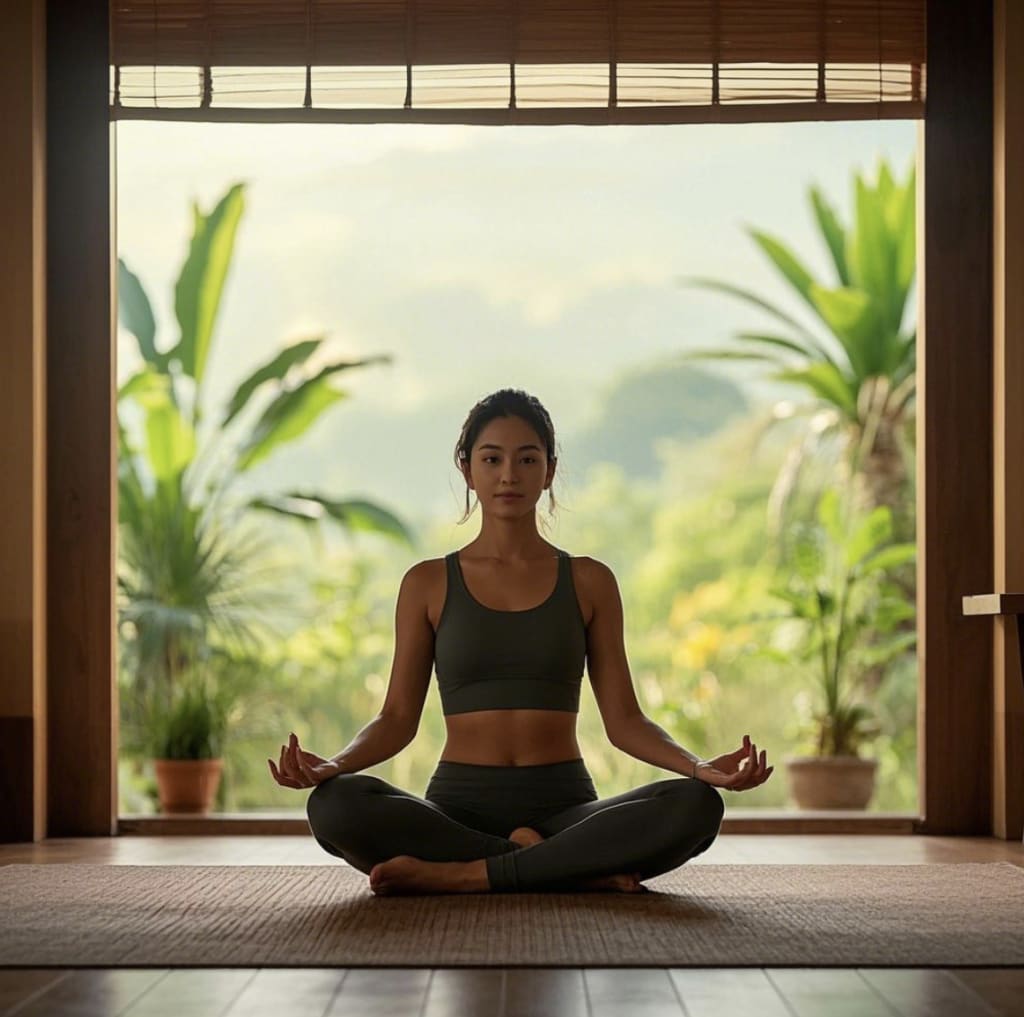
In today's fast-paced world, anxiety, stress, and low mood seem to have become the "norm" for young people. We are always busy with work, studies, and socializing, but rarely take the time to pause and focus on our inner selves. If you're feeling exhausted, perhaps it's time to try yoga—it not only makes your body more flexible but also brings unexpected benefits to your mental health. Today, we’ll uncover the science behind how yoga improves mental health and provide a beginner-friendly yoga guide.
1. Yoga and Mental Health: What Does Science Say?
Yoga is more than just a physical exercise; it’s a practice that unites the mind and body. Scientific research has shown that yoga offers multiple benefits for mental health:
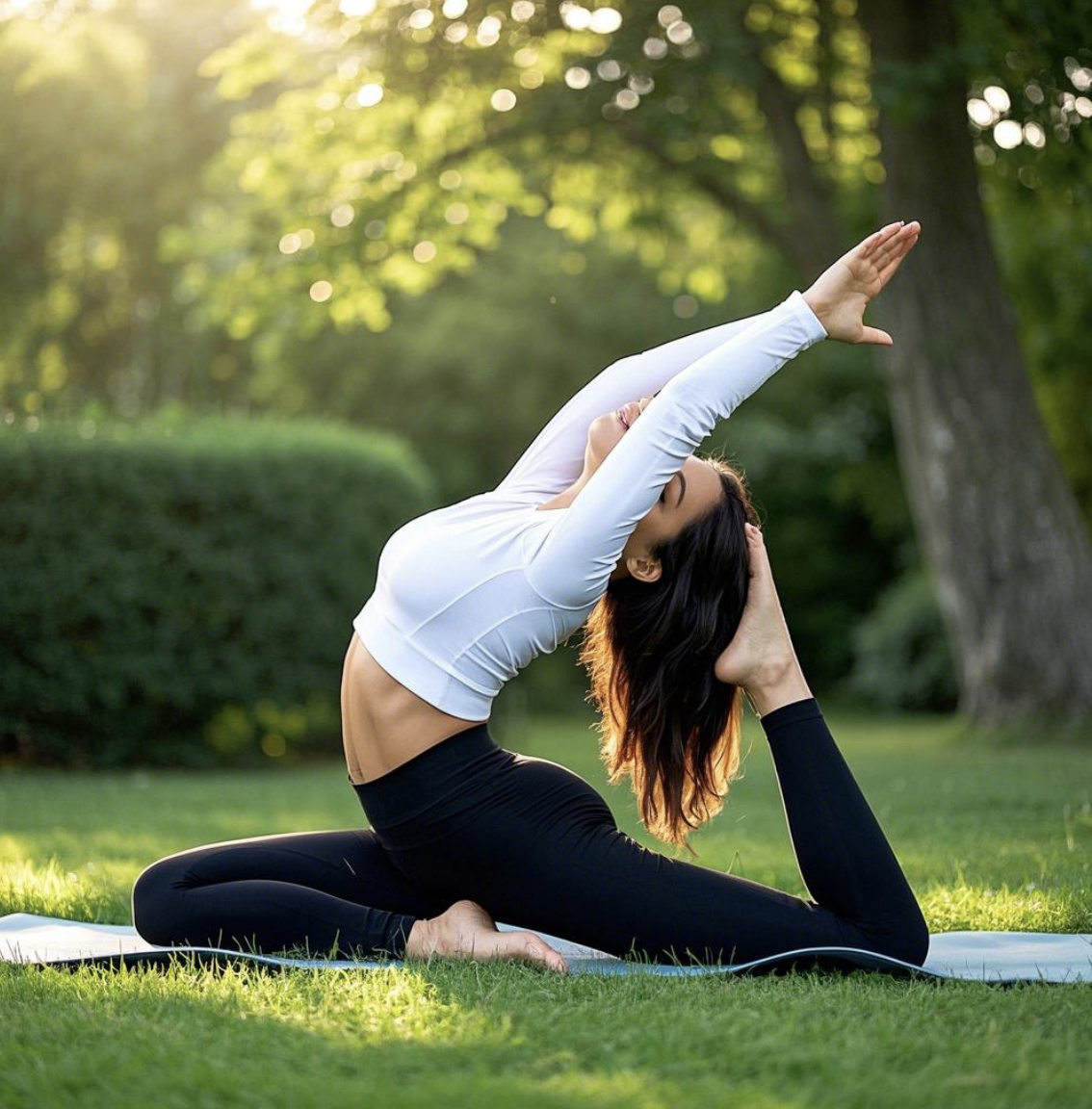
(1) Reduces Anxiety and Stress
Scientific Research: A study published in the International Journal of Yoga found that after practicing yoga for 8 weeks, participants experienced a significant reduction in anxiety levels.
Principle: Yoga activates the parasympathetic nervous system through deep breathing and meditation, helping the body enter a relaxed state.
(2) Improves Mood
Scientific Research: Research from Harvard University shows that yoga increases levels of GABA (a neurotransmitter related to mood regulation) in the brain, thereby improving mood.
Principle: Yoga postures and breathing exercises promote blood circulation, delivering more oxygen and nutrients to the brain.
(3) Enhances Focus
Scientific Research: A study from UCLA found that the prefrontal cortex (responsible for decision-making and focus) of yoga practitioners is more active.
Principle: Meditation and breathing exercises in yoga train the brain to focus, helping you better handle daily tasks.
(4) Improves Sleep Quality
Scientific Research: A study on insomnia patients showed that practicing yoga three times a week for six weeks significantly improved participants' sleep quality.
Principle: Yoga relaxes the body and mind, reducing stress and anxiety, which in turn improves sleep.
2. How Can Beginners Start Practicing Yoga?
If you’ve never tried yoga before, it might seem mysterious or even intimidating. In reality, yoga isn’t complicated. With a few basic poses and techniques, you can easily get started. Here’s a beginner-friendly yoga guide:

(1) Preparation
Choose a Suitable Space: Find a quiet, well-ventilated area and lay out a yoga mat.
Wear Comfortable Clothes: Opt for breathable, loose-fitting clothing to allow free movement.
Stay on an Empty Stomach: Avoid eating 2 hours before practice to prevent discomfort during poses.
(2) Recommended Beginner Poses
Here are 5 beginner-friendly yoga poses. Hold each pose for 30 seconds to 1 minute:
Mountain Pose (Tadasana)
Benefits: Improves posture and enhances balance.
Steps: Stand with feet together, arms relaxed at your sides, and feel your weight evenly distributed across both feet.
Cat-Cow Pose
Benefits: Relaxes the spine and relieves back tension.
Steps: Kneel on the floor, place your hands on the ground, inhale while arching your back (Cow Pose), and exhale while rounding your spine (Cat Pose).
Downward-Facing Dog
Benefits: Stretches the entire body and relieves stress.
Steps: Place your hands and feet on the ground, lift your hips upward, forming an inverted V shape with your body.
Child’s Pose
Benefits: Relaxes the body and mind, alleviates anxiety.
Steps: Kneel on the floor, lean forward, rest your forehead on the ground, and stretch your arms forward.
Supine Twist
Benefits: Relaxes the spine and improves digestion.
Steps: Lie on your back, bend your knees, twist them to one side, and stretch your arms out to the sides.
(3) Breathing Exercises
Breath control is at the core of yoga. Beginners can start with these simple breathing exercises:
Abdominal Breathing: Sit or lie down, place one hand on your abdomen, inhale while feeling your abdomen rise, and exhale while it contracts.
4-7-8 Breathing: Inhale for 4 seconds, hold for 7 seconds, and exhale for 8 seconds. Repeat a few times to quickly reduce anxiety.
3. How to Incorporate Yoga into Daily Life?
Yoga doesn’t require hours of practice every day—even short sessions can bring significant benefits. Here are some tips:
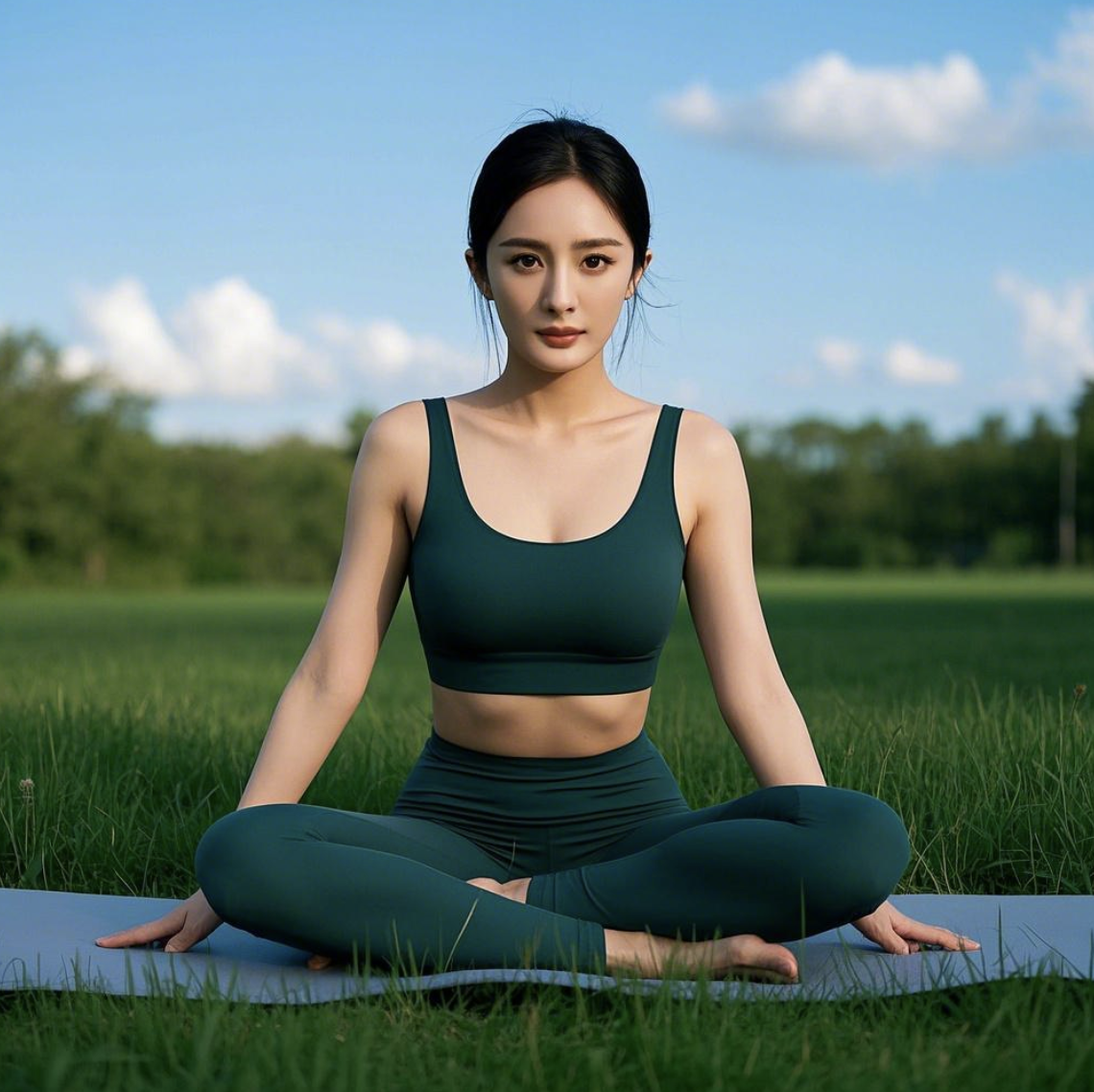
10 Minutes in the Morning: Start your day with simple stretches and breathing exercises.
During Breaks: Do a few relaxing poses at the office or at home to relieve work stress.
Before Bed: Use Child’s Pose or Supine Twist to relax your body and improve sleep.
4. Long-Term Benefits of Yoga for Mental Health
With consistent practice, you’ll find that yoga not only improves your physical state but also stabilizes your mental well-being:

Better Emotional Regulation: You’ll be able to adjust your emotions more quickly when facing stress.
Greater Self-Awareness: Yoga helps you better understand your body and inner needs.
A More Positive Outlook: Yoga teaches you to live in the moment and enjoy every aspect of life.
5. Final Words: Start Today and Give Yourself a Gift
Yoga isn’t a luxury; it’s a lifestyle accessible to everyone. Whether you’re looking to relieve stress, improve your mood, or simply try a new form of exercise, yoga can bring you unexpected rewards. Starting today, give yourself 10 minutes, roll out your yoga mat, and begin your yoga journey!
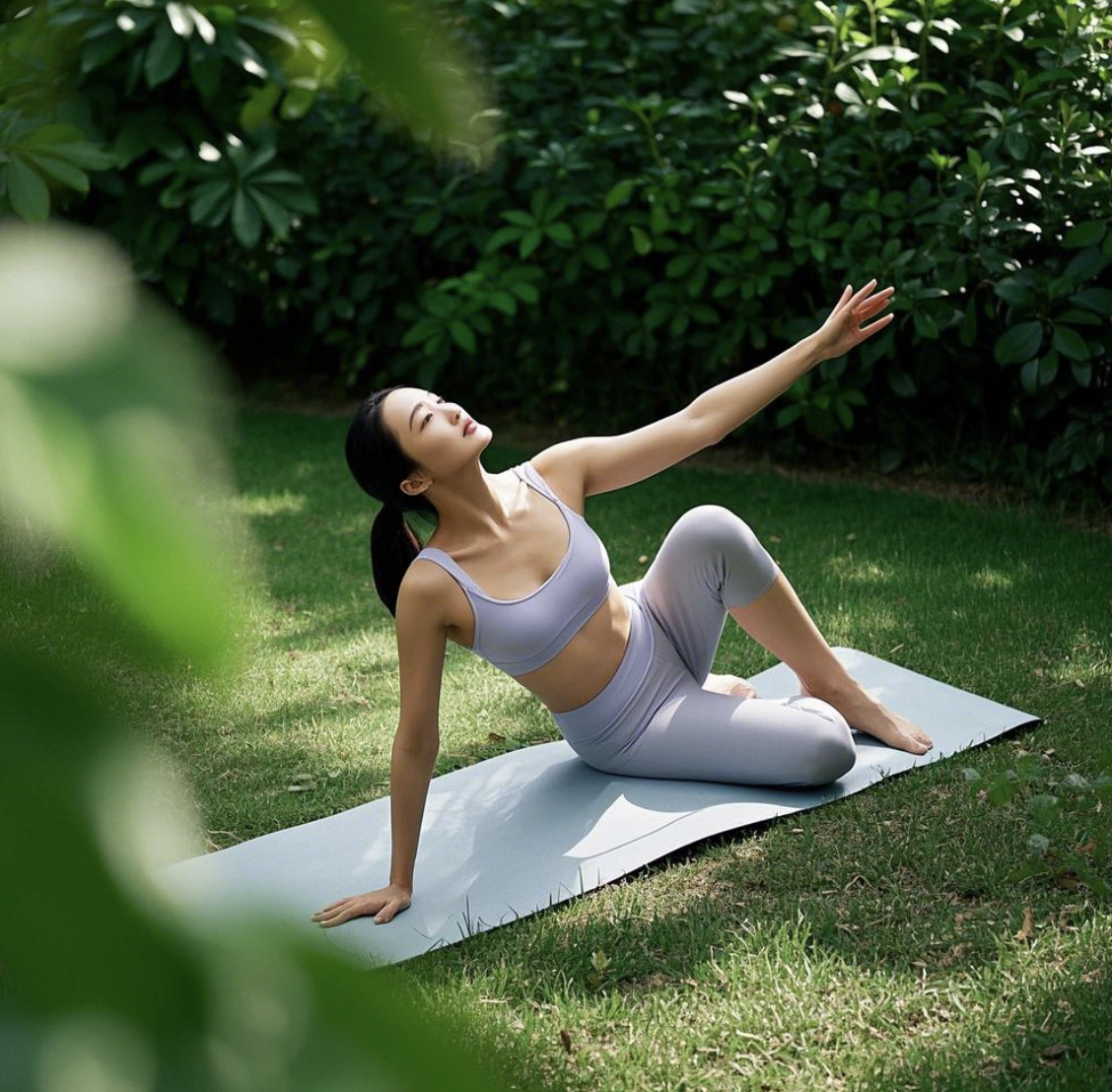
Like and save this article as a reminder: 10 minutes of yoga daily for a healthier mind and body.
We hope this article provides you with a practical guide to starting yoga and inspires you to begin your practice! If you have any questions or want to share your yoga experience, feel free to leave a comment! 😊
About the Creator
goodluck
Passionate about sharing simple yet effective life hacks, health tips, and personal growth insights.Follow along for practical advice to live your best life, from boosting your health to unlocking your full potential!
Enjoyed the story? Support the Creator.
Subscribe for free to receive all their stories in your feed.
Comments
There are no comments for this story
Be the first to respond and start the conversation.