
How to Use Blood Pressure Monitors for Regular Tracking and AFIB Management
Complete Guide
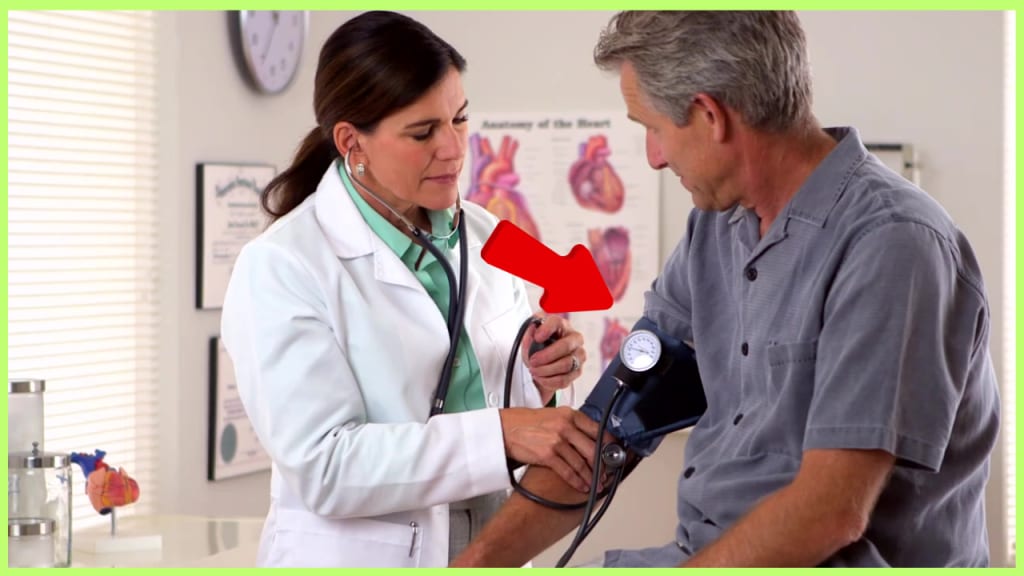
Have you ever had an uncontrollably fast heartbeat or felt a little uneasy in your chest? If so, you are not alone, and the source of your discomfort may not be as trivial as anxiety. For millions of people, this might indicate atrial fibrillation (AFib), a common cardiac disorder characterized by irregular heartbeats. There has never been a better time to monitor heart health, and that's where home blood pressure monitors come into play.
So why get one for your house? Let's examine in more detail how these useful gadgets can literally save your life when it comes to heart health management.
Why Monitoring Blood Pressure at Home Matters
It's imperative to control high blood pressure, particularly in people with AFib, hypertension, or other heart disorders. Did you know that many folks in the United States don't even realize they have high blood pressure? Approximately half of them do. The stakes are higher still for people who have AFib. One of the main risk factors for strokes in people with AFib is high blood pressure, which can be considerably decreased with routine monitoring.
Regularly monitoring your blood pressure from the comforts of your home gives you the advantage of identifying anomalies long before they become serious health concerns. You may find out your current status without waiting for your next doctor's appointment thanks to home blood pressure monitors, which offer immediate insights.
The Benefits of Home Blood Pressure Monitors
So, what exactly makes these devices indispensable? Let's break it down:
Immediate Feedback: Imagine going through your day, feeling just fine, only to find out at your next check-up that your blood pressure has been soaring. By having a monitor at home, you don’t have to rely on periodic visits. You’ll know immediately if your numbers are off, so you can take action faster.
Easy to Use: If you're picturing something out of a hospital, think again. Most home-use blood pressure monitors are incredibly user-friendly. With a press of a button, you can get an accurate reading in a matter of seconds, no medical degree required!
Convenient and Time-Saving: Trips to the doctor can be time-consuming. Plus, let’s face it, no one loves sitting in a waiting room flipping through old magazines. Monitoring your blood pressure at home gives you the convenience of checking your stats whenever you want, cutting out the hassle of scheduling appointments just for routine measurements.
Helps You Understand Your Numbers: Over time, consistent tracking helps you understand patterns. You’ll begin to notice trends and can see how your lifestyle choices (like that salty dinner last night or the added stress from work) affect your heart. Knowledge is power, after all.
Empowers You in Your Healthcare: One of the best things you can do for yourself is to take charge of your health. By taking your blood pressure at home, you can provide your doctor with accurate information that will enable them to make any required adjustments to your medication and treatment plan. You can no longer wait impassively for your doctor to tell you what to do next; instead, you become an active participant in your healthcare journey.
How to Choose the Right Monitor
Now that we’ve covered the why, let’s move on to the how. With so many blood pressure monitors on the market, it can feel a bit overwhelming to choose the right one. Here's what to keep in mind:
Accuracy: This is non-negotiable. You want a device that delivers reliable readings. Look for monitors that are validated by medical professionals or carry certifications from reputable health organizations.
Ease of Use: As tempting as it may be to go for a gadget loaded with features, simpler is often better. The more straightforward the monitor, the more likely you’ll use it consistently. Consider one with a large, easy-to-read display and simple, one-touch operation.
Cuff Size: Believe it or not, the wrong cuff size can throw off your readings. Many monitors come with adjustable cuffs, but it’s important to ensure that the cuff fits comfortably on your arm.
Memory Function: You can watch your blood pressure patterns over time by using certain blood pressure monitors that save readings for you. This function can come in especially useful when you are talking to your healthcare practitioner about your numbers.
Smart Connectivity: Some of the more recent versions can be synced with apps on your smartphone, making data easy to view over time and sharing with your healthcare practitioner as simple as pressing a button. It functions similarly to having a personal heart-health helper.
>>Download my FREE PDF on the 10 Foods to Avoid if you have AFIB!<<
The Role of Home Monitoring in AFib Management
If you’re dealing with AFib, you already know that managing your condition is all about staying on top of risk factors. High blood pressure is a significant contributor to stroke, and those with AFib are at 4-5 times higher risk of stroke compared to the general population. That’s a staggering statistic! But here’s the good news: regular monitoring can help mitigate that risk.
When you regularly check your blood pressure, you’re able to detect any sudden spikes, which could be a sign that something's not right. Catching these changes early means you can adjust medication, consult your doctor, or even make small tweaks in your diet or activity level to bring those numbers back in line. It’s about being one step ahead—always.
Practical Tips for Effective Home Monitoring
Using a blood pressure monitor is a simple process, but there are a few tips that can help you get the most accurate readings:
Stay consistent: Try to measure your blood pressure at the same time each day, preferably in the morning before any caffeine or medications that may affect your reading.
Rest first: Sit quietly for five minutes before taking your reading. No rushing in from errands or workouts—this can skew the results.
Correct posture: Sit with your back supported, legs uncrossed, and feet flat on the ground. Your arm should be supported at heart level.
Take multiple readings: Don’t rely on just one measurement. Take two or three readings, spaced a minute apart, and record the average for the most accurate result.
Lifestyle Changes that Complement Monitoring
While home-use blood pressure monitors are fantastic tools, they’re just part of the equation in managing heart health. Lifestyle changes, such as regular physical activity, a heart-healthy diet, reduced alcohol consumption, and stress management, all work hand in hand with monitoring to keep your blood pressure—and AFib—under control.
Monitoring provides you with instant feedback on how well your lifestyle adjustments are working. Did your blood pressure drop after incorporating daily walks? Great! Are you noticing higher readings after a particularly stressful week? Time to reassess and take action.
Now available on Amazon

Join our community online: https://www.youtube.com/@EricPadro/videos
The Peace of Mind that Comes with Regular Monitoring
Living with AFib or high blood pressure can sometimes feel like waiting for the other shoe to drop. But with a home-use blood pressure monitor by your side, you can take control. It’s like having a safety net, always there to catch warning signs before they escalate. And let’s be honest—peace of mind is priceless when it comes to your heart.
Ultimately, home blood pressure monitors aren’t just gadgets—they’re tools for empowerment. They give you the ability to stay informed about your health, make timely adjustments, and work with your healthcare provider more effectively. So why not take the leap and bring one into your home? Your heart will thank you.
In the words of many who’ve gone this route: “I didn’t realize how much peace of mind I could have until I started tracking regularly.” Isn’t it time you felt that too?
>>Download my FREE PDF on the 10 Foods to Avoid if you have AFIB!<<
About the Creator
Enjoyed the story? Support the Creator.
Subscribe for free to receive all their stories in your feed.
Comments
There are no comments for this story
Be the first to respond and start the conversation.