
How to Unplug and Enjoy a Digital Detox
Tips and Strategies for Taking a Break from Technology and Focusing on Self-Care
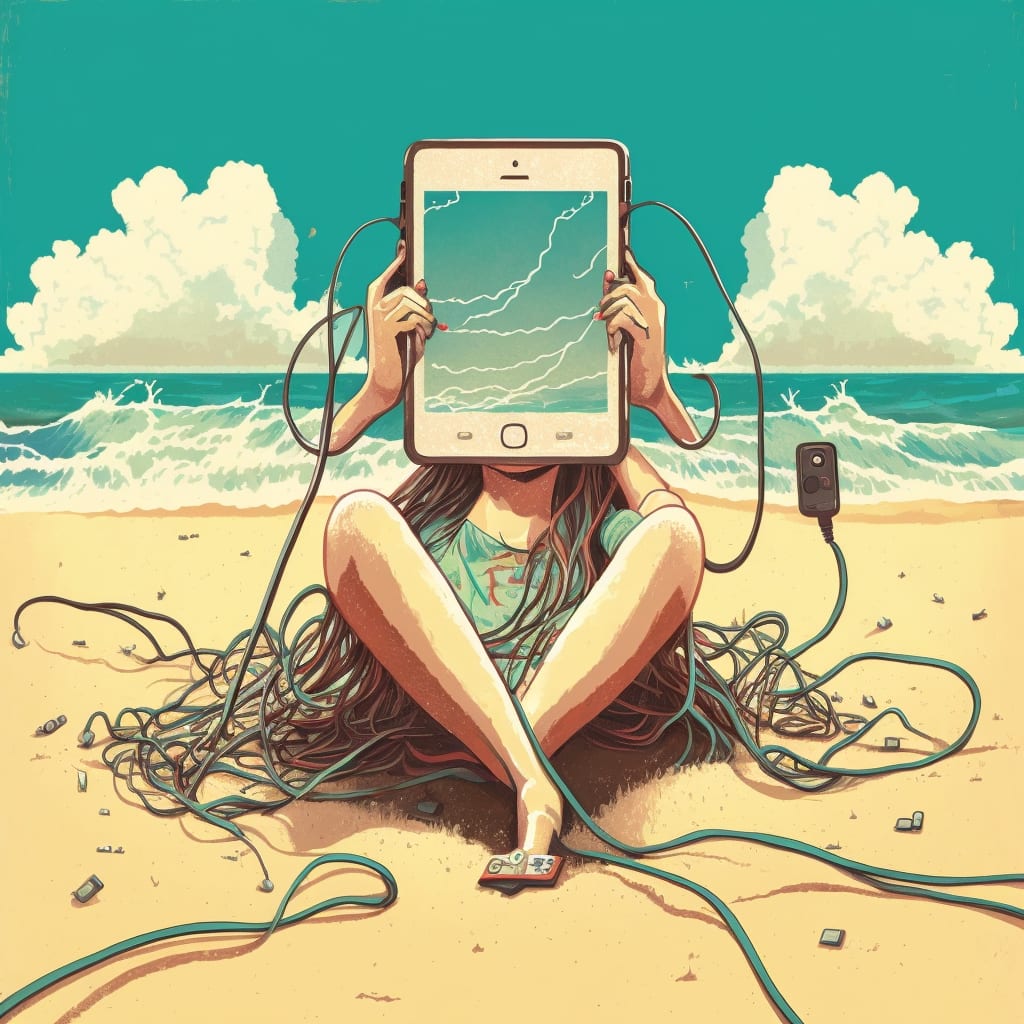
Technology has revolutionized the way we live, work, and communicate. From smartphones to laptops to social media, we are constantly connected to the digital world. While this constant connectivity has many benefits, it also has its downsides. Excessive technology use can lead to negative effects on physical and mental health, decreased productivity, and disrupted sleep patterns. This is why it's important to take a break from technology every once in a while and enjoy a digital detox. In this article, we'll explore how to unplug and enjoy a digital detox.
What is a Digital Detox?
A digital detox is a period of time during which you disconnect from technology and focus on other activities. This can range from a few hours to a few weeks, depending on your goals and preferences. A digital detox can be done anywhere, from your own home to a remote location with no internet access.
Why is a Digital Detox Important?
There are many negative effects associated with excessive technology use. For example, spending too much time on a computer or smartphone can lead to eye strain, headaches, neck and back pain, and carpal tunnel syndrome. In addition, constant connectivity can lead to increased stress and anxiety, depression and loneliness, and poor self-esteem. Taking a break from technology can help alleviate these physical and emotional symptoms.
Benefits of a Digital Detox
In addition to mitigating negative effects, a digital detox has many benefits. One of the most important benefits is improved physical health. Spending less time sitting in front of a screen can improve posture, reduce eye strain, and decrease the risk of carpal tunnel syndrome. In addition, a digital detox can lead to better sleep, as the blue light emitted by screens can disrupt sleep patterns.
A digital detox can also have a positive impact on mental health. By disconnecting from technology, you can reduce feelings of stress and anxiety and improve overall well-being. A digital detox can also increase productivity by removing distractions and allowing you to focus on important tasks. Finally, a digital detox can give you the opportunity to engage in alternative activities such as reading, exercise, and spending time with loved ones.
Tips for a Successful Digital Detox
If you're considering a digital detox, here are some tips to help you make the most of your experience:
- Set Clear Goals and Boundaries: Before you begin your digital detox, set clear goals and boundaries. Decide how long you want to go without technology and what activities you want to focus on instead.
- Choose a Timeframe and Location: Choose a timeframe and location that works for you. Consider taking a weekend off from technology or even a full week if you're up for the challenge. You can also choose a location that is free from technology distractions, such as a remote cabin or a national park.
- Inform Friends, Family, and Colleagues: Let people know that you'll be taking a break from technology. Inform your friends, family, and colleagues so they don't worry if they can't get in touch with you.
- Engage in Alternative Activities: Use your digital detox as an opportunity to engage in alternative activities. Read a book, go for a hike, or spend time with loved ones. Use this time to do things that you enjoy and that make you feel good.
- Practice Mindfulness and Relaxation Techniques: Use your digital detox as an opportunity to practice mindfulness and relaxation techniques. Meditate, practice yoga, or simply take a few deep breaths to help you relax and recharge.
How to Ease Back into Technology Use
After your digital detox, it's important to ease back into technology use. Here are some tips to help you do this:
- Gradual Re-Entry: Don't jump back into technology use all at once
- Set Limits: Set limits on your technology use. Decide on a daily or weekly limit for social media, emails, and other digital activities. Stick to these limits to avoid falling back into old habits.
- Keep Up Your Alternative Activities: Continue engaging in the alternative activities you enjoyed during your digital detox. Make time for reading, exercise, and spending time with loved ones.
- Practice Mindfulness: Continue practicing mindfulness and relaxation techniques. Take breaks throughout the day to meditate, practice deep breathing, or simply take a few minutes to be present in the moment.
In conclusion, a digital detox is an important way to take a break from technology and focus on alternative activities that can improve physical and mental health, increase productivity, and promote overall well-being. By setting clear goals and boundaries, choosing a time and location that works for you, engaging in alternative activities, and practicing mindfulness, you can successfully unplug and enjoy a digital detox. After your digital detox, ease back into technology use gradually, set limits, and continue practicing mindfulness to avoid falling back into old habits. Remember, taking a break from technology is important for your health and well-being, and it's never too late to start.
About the Creator
Enjoyed the story? Support the Creator.
Subscribe for free to receive all their stories in your feed.
Comments
There are no comments for this story
Be the first to respond and start the conversation.