
How to Start Eating Healthy Without Feeling Overwhelmed
Healthy Eating, Made Simple and Stress-Free


Let’s be honest—eating healthy sounds great in theory, but it can feel confusing, stressful, or even expensive when you actually try to start. With so many diets, rules, and opinions online, it's no wonder people feel overwhelmed.
But here’s the good news: healthy eating doesn’t have to be hard. You don’t need to change everything overnight. In fact, small, simple steps can lead to big results over time.
Let’s break it down in a way that feels doable, not draining.
Start Small, Start Smart
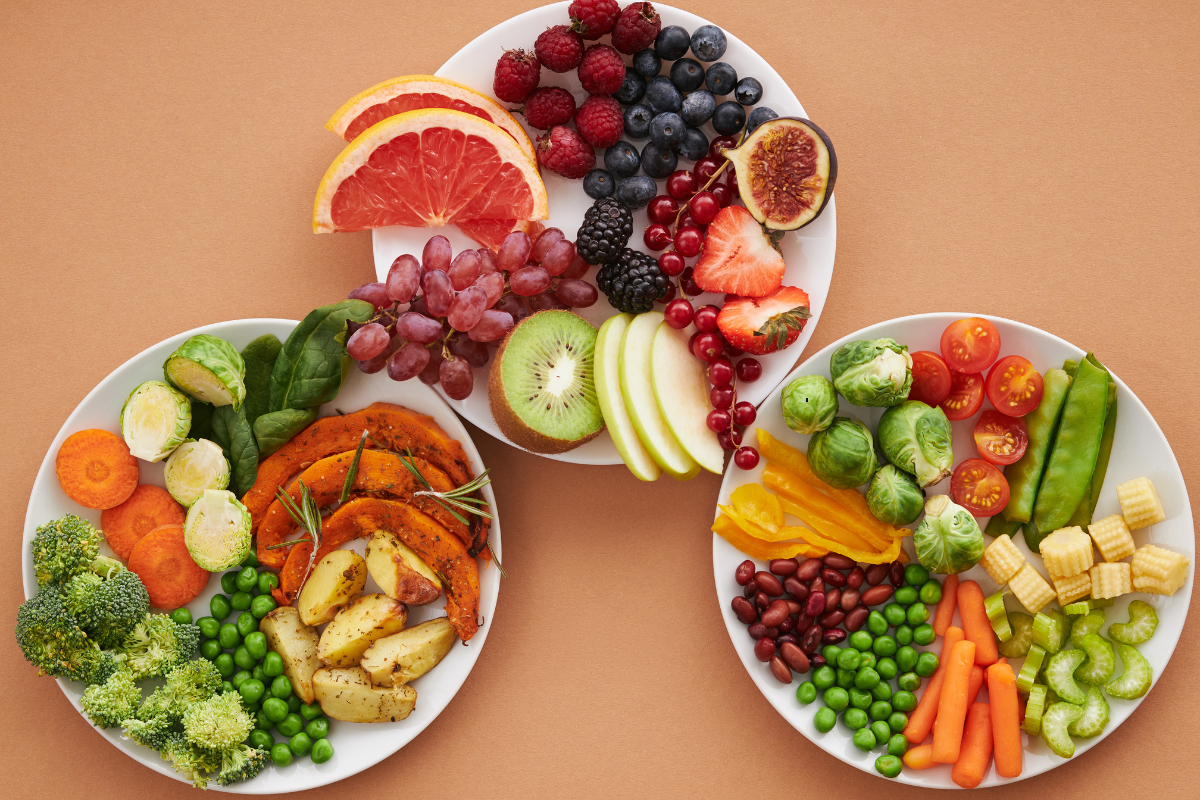
One of the biggest mistakes people make is trying to change everything all at once. That usually leads to frustration and giving up. Instead, start small.
Begin with just one or two changes like:
Adding a fruit to your breakfast
Drinking one extra glass of water each day
Swapping soda for herbal tea
These tiny shifts are easier to stick with—and they build momentum.
Focus on Adding, Not Restricting
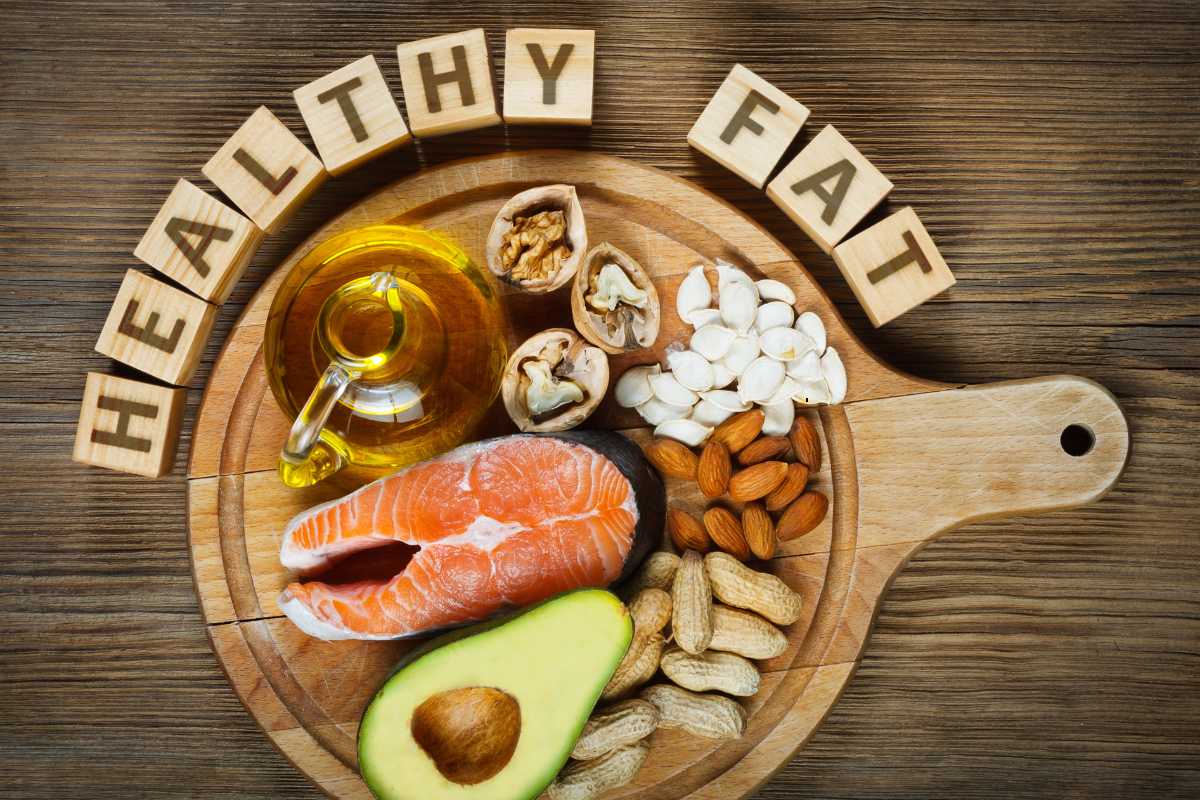
Most people think healthy eating means giving up all their favorite foods. But here’s a better approach: focus on what you can add instead of what you have to cut.
Try adding:
More colorful veggies to your meals
A handful of nuts or seeds for healthy fats
Whole grains like brown rice or oats instead of white rice or bread
Over time, your cravings for less healthy foods will naturally shrink because your body is getting the nutrients it needs.
Keep Your Kitchen Stocked
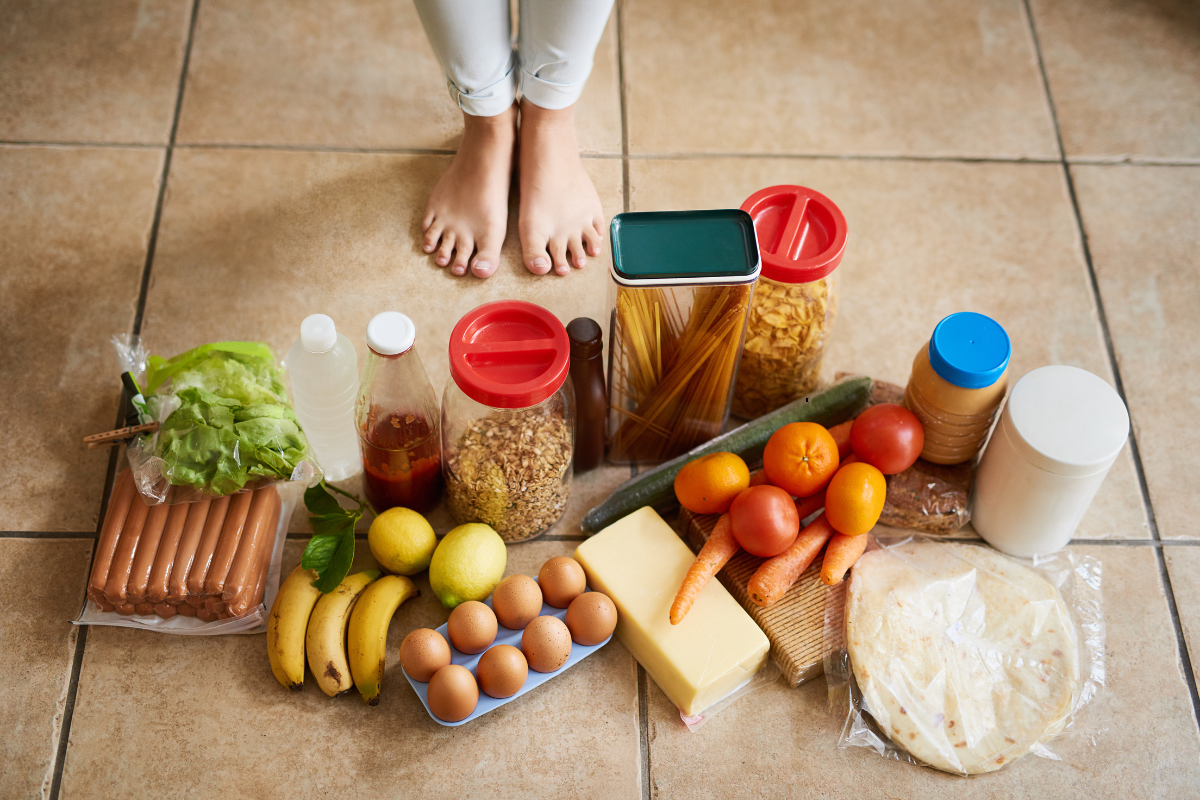
One easy way to eat better? Make healthy choices the easy choices.
Fill your kitchen with simple, wholesome foods like:
Fresh or frozen fruits and vegetables
Whole grains (rice, oats, quinoa)
Lean proteins (chicken, eggs, tofu, beans)
Healthy snacks (nuts, yogurt, hummus)
If you have healthy options at home, you’re less likely to order junk food or grab chips when you’re hungry.
Plan Ahead (But Keep It Simple)
Meal prep doesn’t mean spending hours cooking on Sundays. It can be as easy as:
Chopping veggies for the week
Cooking a batch of rice or quinoa
Boiling some eggs to have on hand
Packing snacks in containers for grab-and-go
Even planning 2–3 meals in advance can save time and stress during busy days.
Don’t Skip Meal
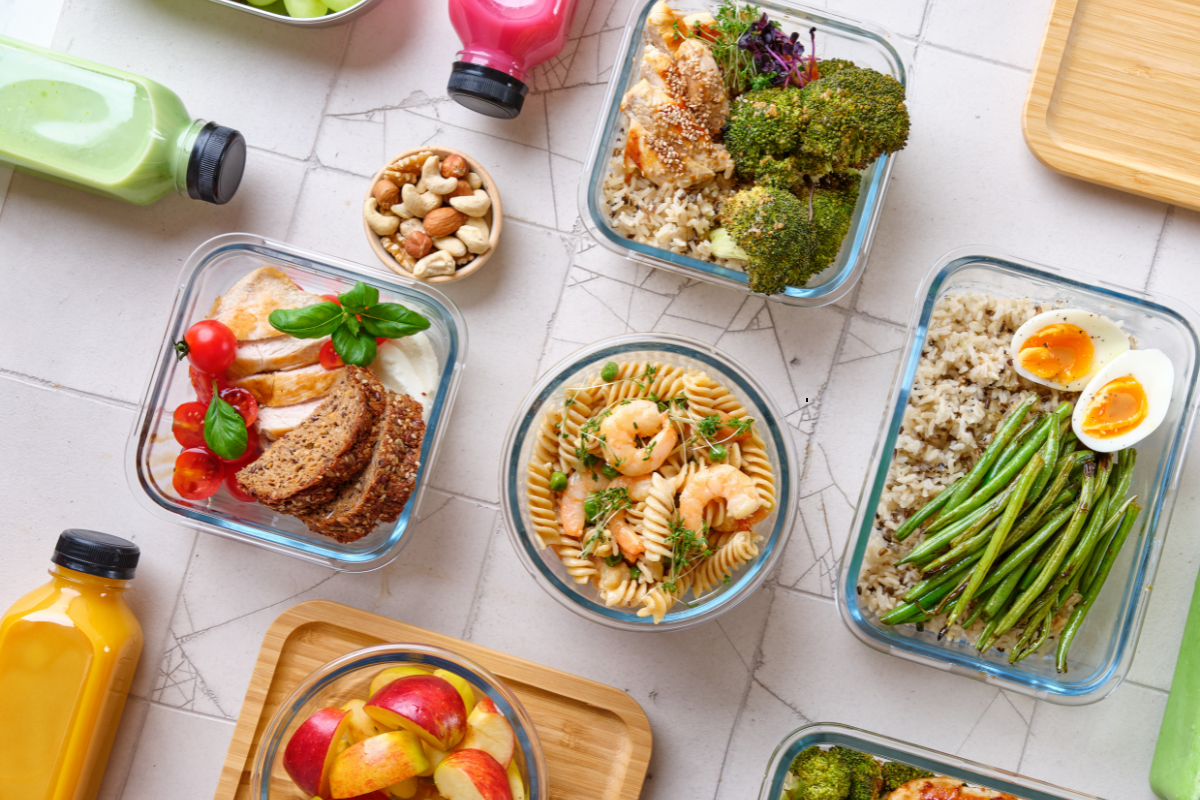
Skipping meals might seem like a shortcut, but it often backfires. You end up getting too hungry and then overeat or reach for fast food.
Try to eat regular meals and snacks throughout the day to keep your energy up and your cravings down. Balanced meals with protein, fiber, and healthy fats keep you full longer.
Allow Room for Treats

Yes, you can still enjoy pizza, chocolate, or your favorite dessert. The key is balance, not perfection.
A healthy lifestyle means there’s room for treats—you just enjoy them mindfully and occasionally, not every day. Don’t feel guilty about it!
Progress Over Perfection
There will be days when you eat fast food or skip your veggies. That’s okay. One “off” day doesn’t erase all your progress. Just get back to your healthy habits the next meal or the next day.
Think of healthy eating as a long-term journey, not a strict set of rules.
Final Thoughts
Eating healthy doesn’t have to be complicated or overwhelming. You don’t need a perfect diet—you just need to take small steps that feel right for you.
Start with one change. Build on it. Listen to your body. And remember, progress is better than perfection.
You’ve got this!
About the Creator
Ashish Sharma
I’m a health and lifestyle writer who believes in small steps leading to big changes. I share simple tips, real experiences, and easy-to-follow advice to help people feel better, live healthier, and enjoy life more—without the overwhelm.
Enjoyed the story? Support the Creator.
Subscribe for free to receive all their stories in your feed.
Comments
There are no comments for this story
Be the first to respond and start the conversation.