
How to Spot the Early Signs of Memory Loss
A Guide for Seniors Mental Health

As we age, it's natural to experience occasional forgetfulness.
However, memory loss that disrupts daily life is not a typical part of aging.
Identifying the early signs of memory loss is crucial in seeking timely medical advice and support.
This article will guide seniors and their loved ones in recognizing these signs, helping them take action to maintain quality of life.
Understanding Memory Loss
Memory loss, also known as cognitive decline, occurs when an individual begins to forget information more often than is considered normal for their age.
While occasional lapses are common, persistent memory issues may signal a more serious condition, such as dementia or Alzheimer's disease. Early detection is vital for managing symptoms and slowing progression.
Common Memory Changes with Age
Before diving into the warning signs, it’s important to differentiate between normal memory changes and those that may require attention. Common changes include:
- Occasionally forgetting names or appointments, but remembering them later.
- Misplacing items, like glasses or keys, but retracing steps to find them.
- Taking longer to learn new information or complete tasks.
Early Warning Signs of Memory Loss
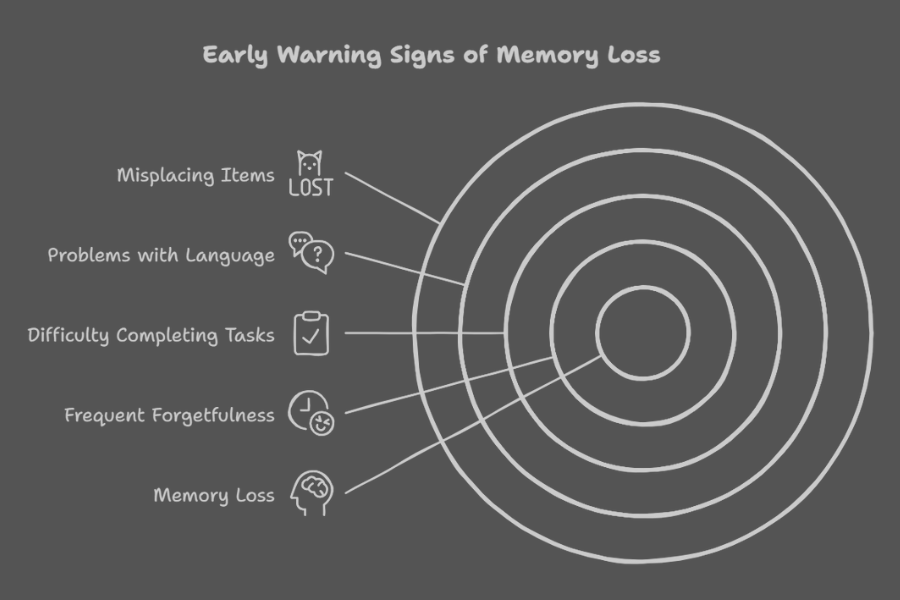
- Frequent Forgetfulness - We all forget things from time to time, but if you or a loved one is forgetting recent events, conversations, or appointments consistently, it may be an early sign of memory loss. For example, you might ask the same question repeatedly or lose track of what was discussed earlier.
- Difficulty Completing - Familiar Tasks Struggling to complete tasks that once came easily, such as following a recipe, operating household appliances, or managing finances, can indicate cognitive decline. This is especially concerning if these tasks were previously done without issue.
- Problems with Language - Memory loss can affect the ability to find the right words during a conversation. You might notice that you’re frequently searching for words, stopping mid-sentence, or using incorrect terms, which can make conversations challenging and frustrating.
- Misplacing Items and Being Unable to Retrace Steps - While it’s normal to misplace things occasionally, individuals with early memory loss might place objects in unusual locations, such as leaving a wallet in the refrigerator. More concerning is the inability to retrace steps to locate the missing items.
- Poor Judgment and Decision-Making - Memory loss can impact your ability to make sound decisions. You might notice changes in financial judgment, such as giving large sums of money to telemarketers or charities. Additionally, personal grooming may decline, and individuals might pay less attention to their hygiene or dressing appropriately for the weather.
- Withdrawal from Social Activities - Socializing requires mental sharpness. If someone begins withdrawing from hobbies, social gatherings, or work projects due to feeling confused, overwhelmed, or embarrassed, it could signal cognitive issues. Anxiety about memory loss may lead to isolation and depression.
- Confusion About Time and Place - Memory loss often manifests as confusion with time, dates, or locations. You might lose track of the day, forget where you are, or have difficulty understanding something that is not happening in the present moment. This confusion can extend to familiar environments, causing disorientation even in well-known places.
- Trouble with Visual and Spatial Relationships - Early signs of memory loss can affect depth perception and the ability to judge distance, which may lead to challenges with driving, reading, or recognizing faces. For example, individuals might struggle to navigate stairs or park a car properly.
When to Seek Help
If you or someone you know is experiencing one or more of these symptoms regularly, it’s essential to consult a healthcare provider. Early diagnosis can lead to better management of the condition and may provide treatment options to slow the progression of memory-related illnesses.
Talking to a Doctor
Discuss your concerns openly with a doctor or neurologist. They will likely perform a series of memory tests and may order brain scans to identify any abnormalities. Early intervention can also help with planning for the future, including making lifestyle adjustments and establishing support systems.
Read more - 5 Fun Activities to Help Memory Care Patients Stay Engaged
Tips for Supporting Someone with Memory Loss
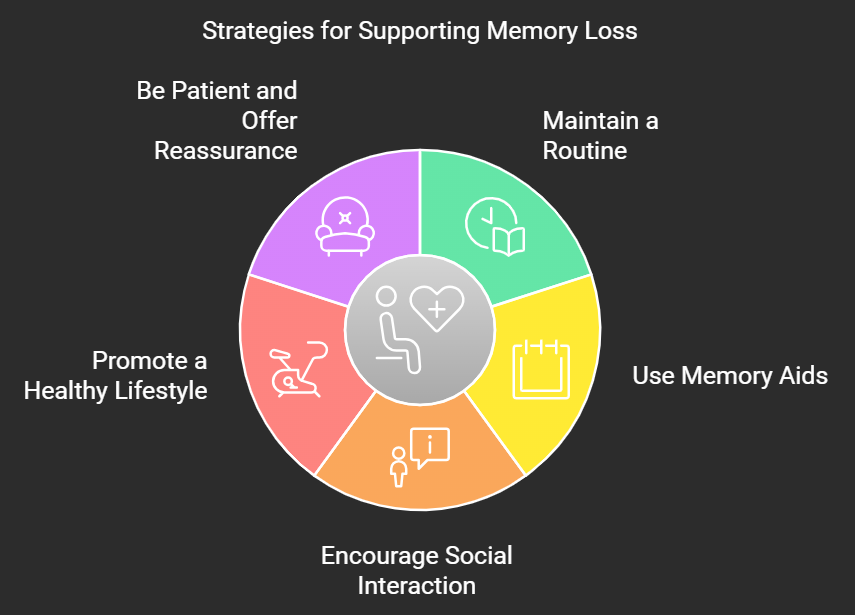
Supporting someone with early memory loss requires patience, understanding, and empathy. Here are a few strategies to help:
- Maintain a Routine Establishing a daily routine can minimize confusion and make life easier. Try to keep activities, meal times, and sleep schedules consistent to provide a sense of stability.
- Use Memory Aids Encourage the use of calendars, reminders, and sticky notes to help keep track of appointments and tasks. Labeling commonly used items or placing pictures on cabinets can assist with locating items around the house.
- Encourage Social Interaction Help your loved one remain engaged by encouraging them to participate in social activities, even if they feel reluctant. Regular social interaction helps keep the brain active and can slow cognitive decline.
- Promote a Healthy Lifestyle Encourage physical exercise, a balanced diet, and mental stimulation, such as puzzles or learning new skills. These activities promote overall brain health and may help reduce the effects of memory loss.
- Be Patient and Offer Reassurance Memory loss can be distressing for both the individual and their loved ones. Provide reassurance, and avoid drawing attention to forgetfulness to reduce anxiety and frustration.
Lifestyle Choices to Support Brain Health
While some memory loss may be inevitable with age, there are steps you can take to support brain health and potentially delay or reduce cognitive decline.
- Exercise Regularly Physical activity improves blood flow to the brain, helping to maintain cognitive function. Aim for at least 30 minutes of exercise most days of the week.
- Eat a Brain-Healthy Diet A diet rich in fruits, vegetables, whole grains, and lean proteins—such as the Mediterranean diet—has been linked to better cognitive health. Include foods high in omega-3 fatty acids, like fish, which are known to support brain function.
- Stay Mentally Active Keeping your brain engaged by learning new things, doing puzzles, reading, or playing card games can help maintain memory function. Consider activities that challenge your brain, such as learning a new language or taking up a new hobby.
- Get Quality Sleep Sleep is essential for memory consolidation. Make sure to get enough restful sleep each night, as poor sleep quality can contribute to memory problems.
- Manage Stress and Stay Social Chronic stress can negatively impact memory and cognitive health. Engage in stress-reducing activities such as meditation, yoga, or spending time with friends and family. Social interactions are vital for mental stimulation.
Conclusion
Recognizing the early signs of memory loss is the first step toward seeking help and taking control of the situation.
While memory loss can be concerning, early intervention, support, and lifestyle changes can make a significant difference in maintaining quality of life.
If you or a loved one is showing signs of cognitive decline, don't hesitate to speak with a healthcare professional to explore your options.
BeeHive Homes of Gainesville is a memory care facility in Gainesville, Georgia and We offer a smaller senior living facility in which residents get more personalized attention to their care needs than in larger communities.
About the Creator
Enjoyed the story? Support the Creator.
Subscribe for free to receive all their stories in your feed.
Comments
There are no comments for this story
Be the first to respond and start the conversation.