
How to Shop for Plant Medicines Online: A Comprehensive Guide
What to look for when browsing online for plant medicine
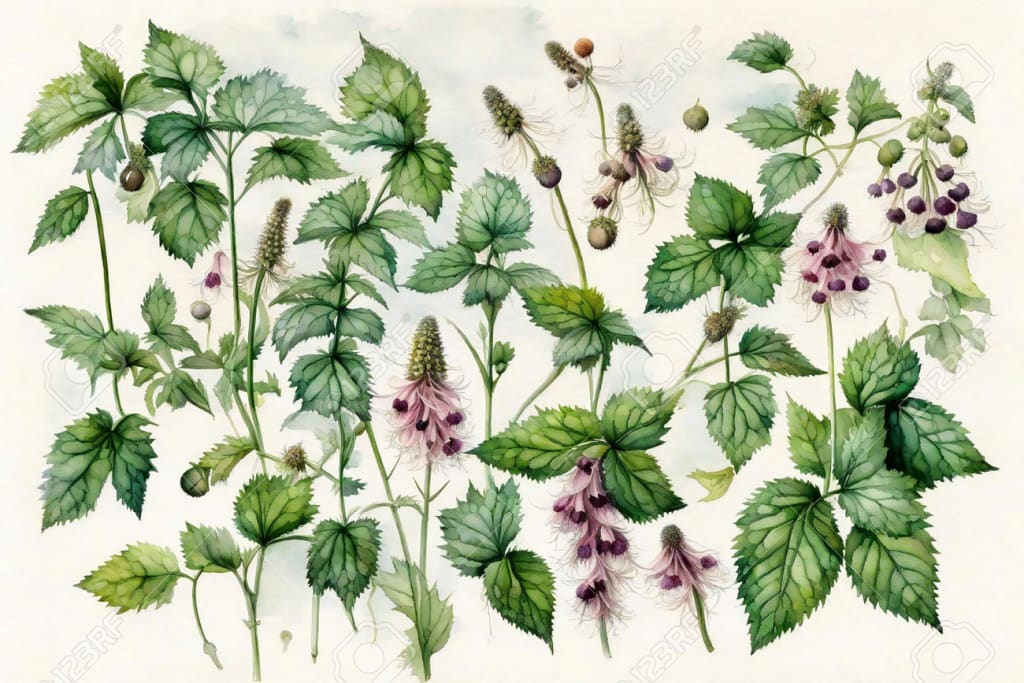
Plant medicines have been used for thousands of years in various cultures to treat a range of ailments, from minor aches to chronic illnesses. With the advent of the internet, purchasing plant medicines has become more accessible than ever. However, shopping for these remedies online requires careful consideration to ensure that you receive high-quality products that are safe and effective. This article provides a comprehensive guide on how to shop for plant medicines online, outlining key criteria to look for and potential pitfalls to avoid.
Plant medicines, also known as herbal medicines, encompass a wide variety of products derived from plants, including herbs, roots, flowers, and seeds. These can be found in various forms such as teas, capsules, extracts, and topical applications. Common examples include echinacea for immune support, ginger for digestive health, and valerian root for sleep disorders.
Key Criteria for Selecting Plant Medicines Online
1. Reputable Retailers
- Research the Seller: Start by researching the online retailer. Look for reviews and ratings from other customers. Reputable sellers will often have positive feedback and a history of satisfied customers.
- Certifications and Affiliations: Check if the retailer is affiliated with reputable organizations, such as the American Herbal Products Association (AHPA) or other relevant bodies. These affiliations can indicate adherence to industry standards.
2. Product Information
- Detailed Descriptions: The product listing should provide detailed information about the plant medicine, including its botanical name, part of the plant used, extraction method, and dosage instructions.
- Ingredients List: Ensure that the ingredients list is clear and complete. Watch for any additional fillers, binders, or artificial additives that may affect the product's purity.
3. Quality Assurance
- Third-Party Testing: Look for products that have been tested by independent laboratories. Third-party testing ensures that the product contains what it claims and is free from contaminants such as heavy metals, pesticides, and microorganisms.
- Good Manufacturing Practices (GMP): Products manufactured in facilities that follow GMP standards are more likely to be of high quality. GMP certification indicates that the manufacturing process is controlled and consistent.
4. Transparency and Traceability
- Source of Ingredients: Reputable sellers should provide information on where their ingredients are sourced. Knowing the origin of the plant material can help ensure its quality and sustainability.
- Batch Numbers: Products with batch numbers can be traced back to specific production runs, which is useful if any issues arise.
5. Customer Support
- Accessibility: The retailer should have accessible customer support, with options to contact them via phone, email, or live chat. This can be crucial if you have questions or concerns about your purchase.
- Return Policy: Check the return policy to understand your options if you are not satisfied with the product. A clear and fair return policy is a good indicator of a reputable seller.
What to Be Wary About
While the online market for plant medicines offers convenience, it also presents several risks. Being aware of these potential pitfalls can help you avoid common mistakes and make informed decisions.
1. Unverified Health Claims
- Exaggerated Benefits: Be cautious of products that make bold health claims or promise miraculous results. Plant medicines can be effective, but they are not cure-alls. Overstated benefits are often a red flag for unreliable products.
- Regulatory Approval: In many countries, including the United States, plant medicines are not subject to the same rigorous approval process as pharmaceuticals. Ensure the product does not claim to be approved by regulatory bodies unless it truly is.
2. Misleading Labels
- Proprietary Blends: Some products list “proprietary blends” without disclosing the exact amounts of each ingredient. This lack of transparency can make it difficult to assess the product's potency and effectiveness.
- Non-Specific Dosages: Avoid products that do not provide specific dosage information. Proper dosage is crucial for the efficacy and safety of plant medicines.
3. Contaminants and Adulterants
- Quality Control: Poor quality control can lead to contamination with harmful substances such as heavy metals, pesticides, or microbial contaminants. Third-party testing can help mitigate this risk.
- Adulteration: Some unscrupulous sellers may adulterate plant medicines with pharmaceutical drugs to enhance their effects. This practice is illegal and dangerous.
4. Sourcing and Sustainability
- Ethical Sourcing: Ensure that the plant materials are ethically sourced and harvested sustainably. Overharvesting can lead to the depletion of valuable plant species and negatively impact the environment.
- Wild crafted vs. Cultivated Wild crafted plants are harvested from their natural habitat, which can be sustainable if done responsibly. However, cultivated plants may offer more consistent quality and potency.
Final Thoughts
Shopping for plant medicine Canada offers unprecedented convenience, but requires careful consideration to ensure safety and efficacy. By following these guidelines, consumers can make informed choices: Firstly, choose reputable retailers with positive customer feedback and affiliations with trusted organizations. Ensure product listings are detailed, disclosing ingredients, extraction methods, and dosage instructions. Secondly, prioritize quality assurance through third-party testing and adherence to Good Manufacturing Practices (GMP). Transparency in ingredient sourcing and batch tracking enhances trustworthiness. Lastly, beware of exaggerated health claims, misleading labels, and potential contaminants. Ethical sourcing and consideration of sustainability are crucial for responsible consumption. Ultimately, informed shopping empowers consumers to harness the benefits of plant medicines safely and responsibly. Always consult healthcare professionals for personalized guidance, ensuring compatibility with individual health needs.
About the Creator
Enjoyed the story? Support the Creator.
Subscribe for free to receive all their stories in your feed.
Comments
There are no comments for this story
Be the first to respond and start the conversation.