
How To Reduce The Chances Of Heart Attack?
A heart attack is generally a medical emergency with potentially fatal consequences. The longer a person goes without treatment, the worse the damage to the heart muscle. Irreversible harm might occur within 30 minutes of a blockage.

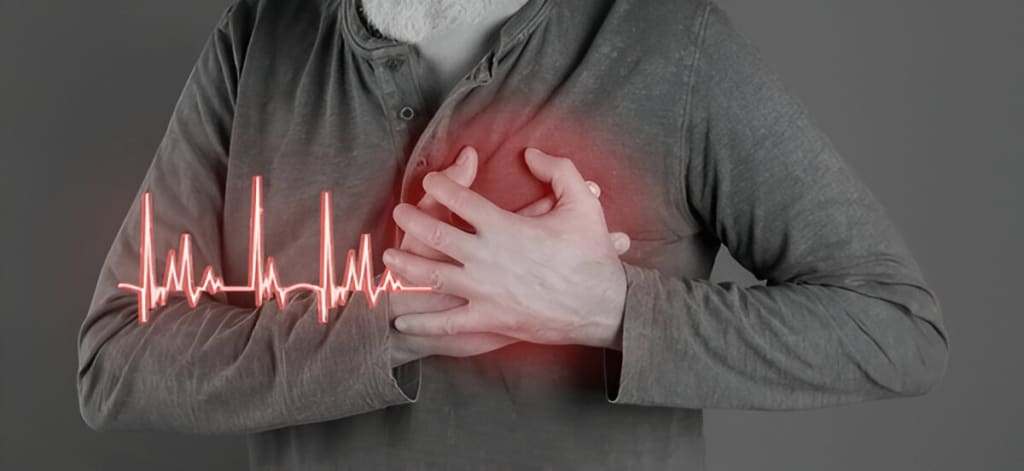
Heart disease, for a long time, has been one of the primary causes of death all over the world. According to a journal article published in Oxford Academic’s European Journal of Preventive Cardiology, cardiovascular mortality has been projected to rise by 90%. Fortunately, several factors associated with cardiovascular illnesses can be minimised and controlled. Comprehending the causes of heart attack is the foremost step towards implementing proactive measures for protecting your heart. A heart attack, which is clinically termed myocardial infarction (MI), takes place when the heart muscle does not receive adequate blood flow. This can occur when a vessel that provides blood to the heart becomes blocked, typically by a blood clot. The blockage is frequently caused by plaque accumulation, composed of cholesterol and other deposits, in the coronary arteries, a procedure known as atherosclerosis.
A heart attack is generally a medical emergency with potentially fatal consequences. The longer a person goes without treatment, the worse the damage to the heart muscle. Irreversible harm might occur within 30 minutes of a blockage.
Now let us discuss ways to prevent a heart attack. Let us discuss the various ways to reduce the chances of heart attack.
Maintenance of A Healthy Diet
Consuming high-fat diets worsens artery hardening (atherosclerosis) and increases your risk of having a heart attack.
Continued consumption of high-fat foods will lead to additional fatty plaques in your arteries. This is because fatty foods have high levels of bad cholesterol.
There are two basic kinds of cholesterol:
Low-density lipoprotein (LDL) - this is largely made up of fat plus a small bit of protein; this form of cholesterol can block your arteries. Hence it is sometimes described as "bad cholesterol"
High-density lipoprotein (HDL) - This is composed primarily of protein and a small amount of fat and is characterised as "good cholesterol" due to its ability to minimise artery deposits.
That’s why you need to give up the habit of consuming an unhealthy diet and instead consume a healthy, simple, nutritious diet that is good for your health.
Quitting Smoking
Smoking increases the risk of heart attack by causing atherosclerosis and raising blood pressure. Chemicals present in tobacco can harm the heart as well as the blood vessels.
Maintaining a Normal Blood Pressure Level
You must keep your blood pressure level at a normal level to keep the chances of heart attack at bay. To do so, you must live an extremely disciplined life, which should stick to the following practices:
- Limiting or quitting alcohol consumption
- Giving up smoking
- Consuming a fat-free healthy diet that includes fruits and vegetables, beans or other legumes,
- lean meat and fish, dairy products that are fat-free and low-fat, whole grain
- Maintaining a decent weight, which again, in turn, depends on the way one would like to live the life of choice.
Getting a Quality, Sound Sleep
Adults need a minimum amount of at least 7 hours of sleep every night. Children often require more. Make sure you get enough rest. Set a sleep schedule and stick to it. To accomplish this, go to bed and wake up consistently each day. Keeping your bedroom dark and quiet is a better way to sleep at night.
If you feel like you're getting enough sleep but are still weary throughout the day, speak with a member of your healthcare team. Enquire if you should be assessed for obstructive sleep apnoea. It's a disorder that increases your risk of developing heart disease. Obstructive sleep apnoea symptoms include loud snoring, short pauses in breathing while sleeping, and waking up gasping for air.
Preventing Infections
Certain infections augment the likelihood of heart attacks, more so in the case of the older populace with a frail overall health condition. For instance, gum diseases may be a source of heart disease. Hence, it is imperative to have white teeth.
Being Active
Light physical workouts, morning walks, and other light physical exercises are good for your overall health and heart. Studies have shown that a minimum of 150 minutes of workouts every week helps in the lowering of pressure and level of cholesterol.
Managing Stress Level
If you are exposed to constant stress and strain, that contributes significantly to elevated blood pressure and other heart disease risk factors. Some people handle stress in bad ways. They might overeat, smoke and drink. However, that does nothing but deteriorate health conditions further. You can improve your health by discovering healthy and more effective stress-management techniques. They may include physical activities, a wide range of relaxation techniques, mindfulness, yoga, meditation and the like.
If stress becomes unbearable, schedule a health checkup. Chronic stress may be connected to mental health problems like anxiety and depression. These disorders are also linked to heart disease risk factors, such as elevated blood pressure and decreased blood flow to the heart. If you suspect you have depression or anxiety, it is critical to get therapy.
Opt For Periodic Health Checkups
Subject yourself to intermittent health checkups. If you feel like you can opt for health checkups, which may include checking of:
- Cholesterol level
- Blood pressure level
- Screening of Diabetes
Checkups must be done at least once or twice a year, depending on the age and overall health conditions. However, for the checkup, the best clinic has to be selected that is expected to come up with flawless results of the tests conducted.
Therefore you see, these are the most common ways to avoid heart-related issues.
About the Creator
Enjoyed the story? Support the Creator.
Subscribe for free to receive all their stories in your feed.
Comments
There are no comments for this story
Be the first to respond and start the conversation.