
How to Prepare Plant Medicine: Best Techniques for Teas, Tinctures, and Infusions
Exploring Essential Techniques for Effective Plant Medicine Preparation
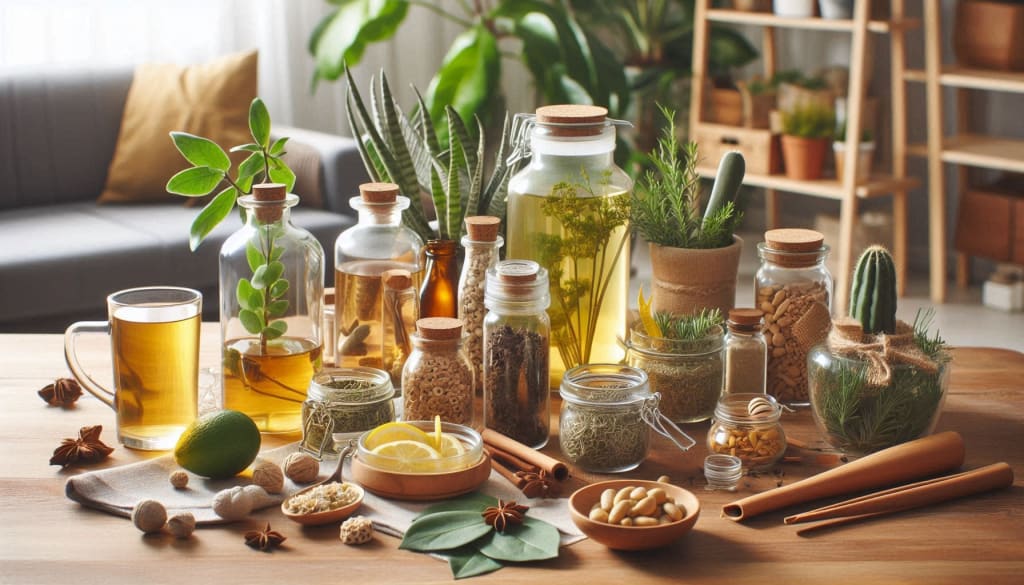
Plant medicine has been used for millennia to support health and wellness, offering a natural alternative to synthetic pharmaceuticals. Whether you are new to herbal remedies or a seasoned practitioner, understanding how to prepare plant medicine effectively is crucial. This essay explores five popular methods for preparing plant medicine: teas, tinctures, infusions, decoctions, and poultices, each with its unique applications and benefits.
1. Teas
Herbal teas are perhaps the most familiar and accessible form of plant medicine. Preparing herbal tea involves steeping dried or fresh plant material in hot water. This method is excellent for extracting water-soluble compounds like vitamins, minerals, and certain active ingredients.
How to Prepare Herbal Tea:
Choose Your Herb: Select high-quality, dried or fresh herbs. Common examples include chamomile for relaxation, peppermint for digestive support, and echinacea for immune health.
Measure: Use approximately one teaspoon of dried herbs or one tablespoon of fresh herbs per cup of water.
Boil Water: Heat water to a rolling boil.
Steep: Pour the hot water over the herbs and let them steep for 5-15 minutes, depending on the herb and desired strength.
Strain and Enjoy: Strain the herbs using a fine mesh strainer or tea infuser, and your tea is ready to drink. You can add honey, lemon, or other flavorings if desired.
2. Tinctures
Tinctures are concentrated extracts of plant materials made by soaking herbs in alcohol or vinegar. They are known for their long shelf life and potent effects. Tinctures are especially useful for preserving the medicinal properties of herbs and providing a convenient method of dosing.
How to Prepare Tinctures:
Choose Your Herb: Fresh or dried herbs can be used. For example, valerian root tincture is popular for anxiety and sleep issues.
Prepare the Mixture: Place the herb in a clean jar and cover it with alcohol (like vodka) or vinegar. The alcohol-to-herb ratio is typically 1:2 for dried herbs and 1:1 for fresh herbs.
Infuse: Seal the jar and store it in a cool, dark place for 4–6 weeks, shaking it daily.
Strain: After the infusion period, strain out the plant material using a fine mesh strainer or cheesecloth.
Bottle and Label: Transfer the liquid to a clean, dark glass bottle, label it, and store it away from light. Tinctures can be taken by dropper directly or mixed with water.
3. Infusions
Infusions are similar to teas but typically involve a longer steeping time, making them ideal for extracting more complex compounds from herbs. They are often used for herbs with tougher, woody parts that require more time to release their properties.
How to Prepare Infusions:
Select Your Herb: Use herbs like nettle or oatstraw, which benefit from a longer steeping time.
Measure and Steep: Use about one ounce of dried herbs per quart of water. Pour boiling water over the herbs and let them steep for 4-8 hours, ideally overnight.
Strain and Store: Strain the herbs and store the infusion in a glass container in the refrigerator. Infusions are usually consumed over a few days.
4. Decoctions
Decoctions are a method used to extract compounds from tougher plant materials, such as roots, barks, and seeds. This technique involves boiling the plant material to break down the cellular structure and release its active ingredients.
How to Prepare Decoctions:
Select and Prepare Herbs: Use dried or fresh roots, barks, or seeds. For instance, a decoction of ginger root can be used to soothe digestive issues.
Boil: Add the plant material to cold water and bring it to a boil. Reduce the heat and simmer for 20-30 minutes.
Strain and Consume: Strain the decoction through a fine mesh strainer or cheesecloth. The resulting liquid can be consumed as is or used in recipes.
5. Poultices
Poultices are applied directly to the skin and are used to treat local issues like bruises, muscle pain, or inflammation. They involve grinding or mashing herbs into a paste and applying it to the affected area.
How to Prepare Poultices
Prepare Herbs: Use fresh herbs like comfrey or arnica. Crush or mash them into a paste using a mortar and pestle.
Apply: Spread the paste onto a piece of cloth or directly onto the skin, covering it with a bandage or cloth to hold it in place.
Leave on and Remove: Allow the poultice to sit for 20-30 minutes before removing. Rinse the area with warm water afterward.
Conclusion
Mastering these methods of preparing the best plant medicine in Canada—teas, tinctures, infusions, decoctions, and poultices—allows you to harness the full potential of herbs and tailor remedies to your needs. Each preparation method has its unique benefits and applications, offering versatile options for improving health and well-being through natural means. By understanding and utilizing these techniques, you can create effective and personalized herbal remedies that support a holistic approach to health.
About the Creator
Enjoyed the story? Support the Creator.
Subscribe for free to receive all their stories in your feed.
Comments
There are no comments for this story
Be the first to respond and start the conversation.