
How to Manage Atrial Fibrillation (AFib) Naturally
Top Remedies and Lifestyle Tips

Atrial fibrillation (AFib) affects millions of people worldwide, often causing symptoms like heart palpitations, fatigue, and dizziness. While medication and procedures are commonly used to treat AFib, many individuals are looking for natural ways to complement their medical care and better manage their condition.
In this guide, we'll walk you through proven natural remedies and lifestyle changes that can help reduce AFib episodes and improve your overall heart health. From dietary changes to stress relief techniques, these approaches may be just what you need to feel more in control of your condition.
1. Heart-Healthy Diet: Nourish Your Heart
The first step in managing AFib naturally is optimizing your diet. What you eat can have a significant impact on your heart’s rhythm and overall health. Here are a few dietary tips to help stabilize your heart function:
a. Increase Omega-3 Fatty Acids
Omega-3s are well-known for their anti-inflammatory properties and heart benefits. Foods rich in omega-3s, like fatty fish (salmon, sardines) and plant-based sources (flaxseeds, chia seeds), help reduce AFib triggers by supporting healthy heart rhythms.
b. Boost Magnesium and Potassium Intake
Magnesium and potassium are essential for maintaining normal heart rhythms. A deficiency in either can trigger AFib episodes. Leafy greens, bananas, avocados, and nuts are excellent sources of these minerals.
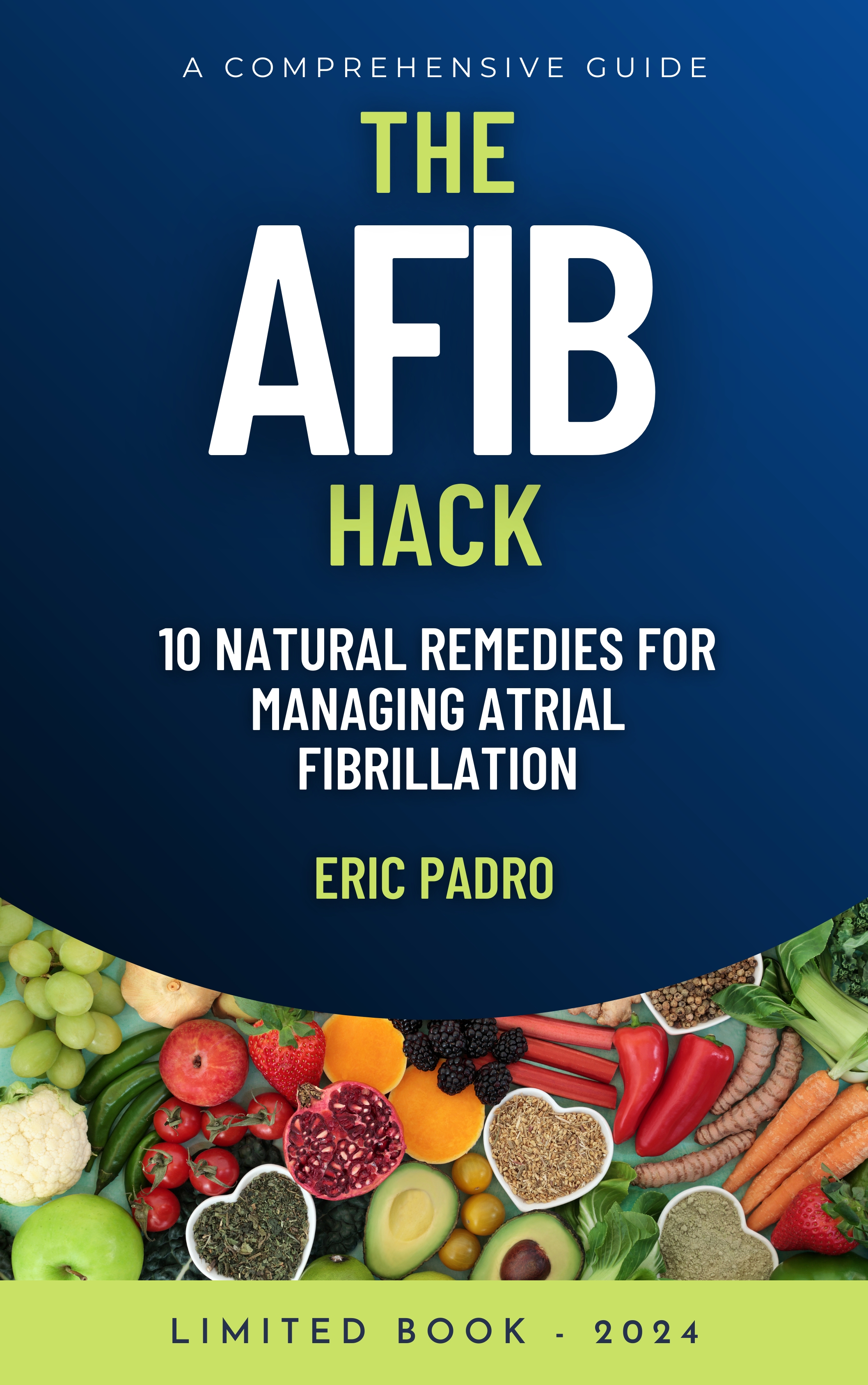
Click here to get a FREE Amazon eBook THE AFIB HACK on Kindle
c. Limit Processed Foods and Excessive Sodium
Processed foods often contain high levels of sodium, which can raise blood pressure and increase the risk of AFib. Focus on whole, unprocessed foods like fruits, vegetables, whole grains, and lean proteins.
d. Avoid Caffeine and Alcohol
Both caffeine and alcohol can be major AFib triggers for some people. While small amounts of caffeine might be fine, it's best to monitor your intake and switch to decaf if needed. As for alcohol, moderation is key—excessive drinking, especially binge drinking, can increase the likelihood of AFib episodes.
2. Manage Stress: Calm Your Heart Naturally
Stress is a known trigger for AFib. When you're stressed, your body's "fight or flight" response kicks in, raising your heart rate and potentially causing irregular heartbeats. Implementing stress-management techniques is a natural and effective way to reduce AFib symptoms.
a. Practice Mindfulness and Meditation
Mindfulness practices help you focus on the present moment, reducing the anxiety that can accompany AFib. Regular meditation sessions can lower your heart rate and help your body relax, making it less likely to experience an AFib episode.
b. Try Yoga for Heart Health
Yoga combines physical activity with relaxation techniques, making it an excellent choice for managing AFib. Gentle poses and deep breathing exercises can help calm your mind and body, promoting a more stable heart rhythm.
c. Deep Breathing and Relaxation Techniques
Controlled breathing exercises, such as deep diaphragmatic breathing, can activate the parasympathetic nervous system (the body’s relaxation response) and help regulate your heart rate. Try practicing slow, deep breaths when you feel stressed to maintain a calm, steady heart rhythm.
3. Exercise Regularly (But Gently)
Regular physical activity is vital for maintaining a healthy heart, but it’s important to choose exercises that won't over-stress your cardiovascular system. Moderate-intensity exercises like walking, swimming, or cycling are excellent for AFib patients.
a. Aim for Moderate Exercise
Avoid high-intensity exercises that may trigger AFib. Instead, aim for moderate activities like brisk walking, light jogging, or swimming. These exercises improve circulation, strengthen the heart, and help with weight management—all factors that reduce the risk of AFib episodes.
b. Yoga and Tai Chi for Gentle Movement
Gentle forms of exercise like yoga or tai chi are particularly beneficial because they incorporate slow, mindful movements and deep breathing, both of which help calm the heart and improve flexibility.
4. Herbal Supplements: Nature’s Heart Helpers
Certain herbal remedies can support heart health, though you should always consult with your healthcare provider before adding any supplements to your routine, especially if you're on medications for AFib.
a. Hawthorn
Hawthorn has been used traditionally to support cardiovascular health and may help improve circulation and heart function. Some studies suggest it can help stabilize heart rhythms.
Click here to get a FREE Amazon eBook THE AFIB HACK on Kindle
b. Motherwort
Motherwort is another herb commonly used in traditional medicine to ease palpitations and promote a calm heart rhythm. It's often recommended for reducing anxiety and stress, which can exacerbate AFib symptoms.
c. Valerian Root
Valerian root is known for its calming effects and may help reduce stress-induced AFib episodes. It works by promoting relaxation and reducing nervous tension.
5. Stay Hydrated
Dehydration can trigger AFib episodes by causing an imbalance in electrolytes (like sodium, potassium, and magnesium), which are crucial for maintaining normal heart rhythms. Make sure to drink plenty of water throughout the day and replenish electrolytes after exercise or on hot days.
a. Add Electrolyte-Rich Drinks
If you're sweating a lot due to exercise or heat, consider adding natural electrolyte drinks or coconut water to your routine. Avoid sugary sports drinks, which may do more harm than good.
6. Get Enough Sleep
Sleep is essential for overall health, and poor sleep or sleep disorders like sleep apnea are linked to a higher risk of AFib. Make sure you're getting 7-8 hours of quality sleep per night. If you suspect you have sleep apnea, consult your doctor, as treating it can significantly reduce AFib episodes.
a. Prioritize Sleep Hygiene
Establish a regular sleep schedule, create a calming bedtime routine, and ensure your sleep environment is quiet, dark, and comfortable. Avoid stimulants like caffeine or heavy meals before bed.
7. Acupuncture: An Alternative Holistic Option
Acupuncture has gained attention as a potential complementary treatment for AFib. The practice involves inserting fine needles into specific points on the body to promote balance and health. Some studies suggest that acupuncture may help regulate heart rhythms and reduce AFib episodes by influencing the autonomic nervous system.
FAQs
1. Can I manage AFib solely through natural remedies?
While natural remedies can greatly help in managing AFib, they may not completely eliminate the need for medical treatment. Always consult with your doctor to find a balanced approach that combines natural methods with medical care.
2. What foods should I avoid with AFib?
It’s best to avoid processed foods high in sodium, excessive alcohol, and too much caffeine. These can all act as AFib triggers by increasing blood pressure or causing electrolyte imbalances.
3. Is stress a major cause of AFib episodes?
Yes, stress can be a significant trigger for AFib. Managing stress through mindfulness, yoga, and deep breathing exercises can help reduce the frequency of episodes.
Final Thoughts: Embracing Natural Remedies for AFib
Managing AFib naturally is about adopting a heart-healthy lifestyle that includes a balanced diet, regular exercise, stress management, and potentially herbal supplements or acupuncture. While these natural approaches can greatly improve your quality of life, it’s essential to work closely with your healthcare provider to ensure you’re using the best strategies for your unique condition. By combining natural remedies with traditional treatments, you can take control of your heart health and reduce the impact of AFib on your life.
Click here to get a FREE Amazon eBook THE AFIB HACK on Kindle
About the Creator
Enjoyed the story? Support the Creator.
Subscribe for free to receive all their stories in your feed.
Comments
There are no comments for this story
Be the first to respond and start the conversation.