
How to maintain a heart-healthy diet suitable for AFib management.
(Simple Guide)
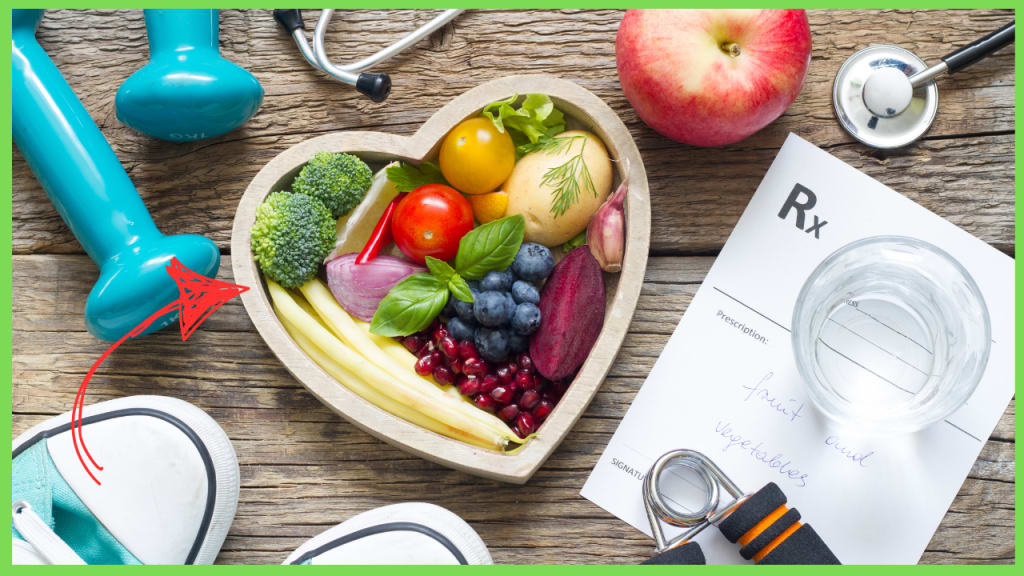
Maintaining a heart-healthy diet is essential for managing atrial fibrillation (AFib) and reducing the risk of complications. Let’s break down the key aspects of a diet that supports heart health and helps manage AFib.
1. Prioritize Whole Foods: The Heart's Best Friend
Eating a heart-healthy diet involves more than just avoiding bad foods—it also involves packing your plate with of items that are inherently heart-healthy. Consider eating a range of fruits, leafy greens, veggies that are high in fiber and antioxidants, and whole grains like brown rice and oats. AFib sufferers frequently have inflammation, which these foods may help lessen.
Who knew that eating a rainbow of foods could make such a difference to your heart?
2. Go Lean on Protein: Let’s Talk About Fish and Poultry
Although red meat may seem appealing, it's preferable to concentrate on lean protein sources like fish, particularly omega-3 fatty acid-rich varieties like mackerel, salmon, and sardines. For patients with AFib, omega-3 fatty acids are especially important because of their anti-inflammatory qualities and potential to lower the likelihood of irregular cardiac rhythms.
If you’re not a fan of fish, you can also consider plant-based proteins such as beans, lentils, and quinoa.
3. Reduce Sodium: Your Heart’s Worst Enemy
Too much salt can lead to increased blood pressure, which is a major risk factor for AFib. Stick to fresh, whole foods instead of processed ones, which are often loaded with hidden sodium. Try seasoning your meals with herbs, spices, or even a squeeze of lemon to add flavor without the added salt.
I once met a patient who swapped salt for garlic in their cooking—now their heart thanks them every day!
4. Healthy Fats Only: Think Olive Oil, Not Butter
The heart can benefit greatly from a shift from saturated to healthy fats. Nuts, avocados, and olive oil are good sources of monounsaturated fats, which reduce harmful cholesterol levels without compromising flavor. Try cooking with olive oil instead of butter or margarine; it's a straightforward substitution with lots of advantages.
Consider heart-healthy fats as the well-oiled chain that keeps your heart pumping smoothly.
5. Limit Sugar and Refined Carbs
Refined carbohydrates and sugary foods can spike blood sugar levels, which can increase the risk of heart disease and worsen AFib. Opt for whole grains and natural sweeteners like fruits when you’re craving something sweet. Balancing blood sugar is particularly important for those with AFib, especially if diabetes is a concern.
Did you know that berries are a great way to satisfy your sweet tooth while keeping your heart happy?
6. Stay Hydrated, But Watch the Caffeine
Hydration is key, but be careful with beverages high in caffeine like coffee and energy drinks, which can sometimes trigger AFib episodes. Water should be your best friend. Add slices of cucumber or mint to your water for a refreshing twist.
What’s better for your heart than a cool glass of water on a hot day?
7. Moderate Alcohol: Keep It to a Minimum
Although the heart may benefit from the odd glass of red wine, excessive alcohol consumption is known to cause arrhythmias. It's recommended to restrict consumption, and you might want to give up alcohol completely if it frequently sets off your episodes.
I had a friend who switched to sparkling water at social gatherings—and found it wasn’t just their heart that thanked them, but their energy levels too!
8. Portion Control: Eat Smart, Not Just Healthy
Even healthy foods can lead to weight gain if eaten in large quantities, which can increase your risk for AFib. Practice mindful eating—pay attention to portion sizes and savor your food. Eating slowly can also prevent overeating, a factor that often sneaks up on us!
>>Download my FREE PDF on the 10 Foods to Avoid if you have AFIB!<<
Conclusion: A Heart-Healthy Diet Tailored for AFib
Making these dietary changes is about empowerment rather than constraint. Every decision you make that promotes heart health advances your efforts to properly manage AFib. Every action you take toward a healthier heart, like cutting back on excess salt or replacing red meat with fish, can help you get there.
Remember, this isn’t just about diet—it’s about nurturing your heart. Every bite is an act of self-care.
With AFib, a heart-healthy diet isn’t just a suggestion; it’s a powerful tool that helps you take control of your health, reduce symptoms, and improve your quality of life. So, let’s get started on building a diet that keeps your heart as strong as it can be!
Join our community online:
https://www.youtube.com/@EricPadro/videos
Download our Spotify Podcast:
About the Creator
Enjoyed the story? Support the Creator.
Subscribe for free to receive all their stories in your feed.
Comments
There are no comments for this story
Be the first to respond and start the conversation.