
How to lose weight fast
How to lose weight fast without exercise

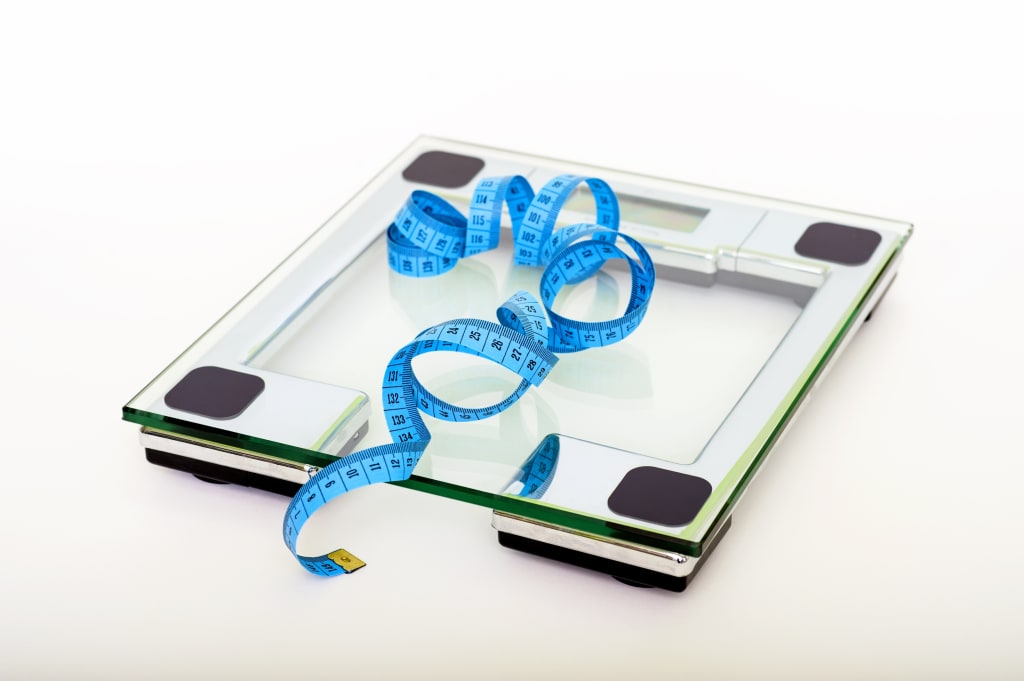
Losing weight can be a challenging and time-consuming process, but it is possible to see significant results in a short period of time if you are committed to making lifestyle changes. Here are some tips for losing weight fast:
Eat a healthy, balanced diet: Focus on eating whole, unprocessed foods such as vegetables, fruits, and lean proteins. Avoid foods that are high in added sugars, saturated and trans fats, and sodium.
Incorporate physical activity into your daily routine: In order to lose weight, you need to burn more calories than you consume. Incorporating physical activity into your daily routine can help you achieve this. Aim for at least 150 minutes of moderate-intensity exercise per week, or 75 minutes of vigorous-intensity exercise.
Reduce portion sizes: Pay attention to how much you are eating and try to reduce your portion sizes. Using smaller plates and bowls can help you control your portions.
Stay hydrated: Drinking plenty of water can help you feel full and satisfied, which can help you eat less. Aim for at least 8 cups of water per day.
Get enough sleep: Adequate sleep is important for weight loss, as it can help regulate hunger hormones and improve energy levels. Aim for 7-9 hours of sleep per night.
Seek support: Losing weight can be a difficult journey, so it can be helpful to have the support of friends, family, or a healthcare professional. Consider joining a support group or working with a registered dietitian to help you stay on track.
By following these tips and making healthy lifestyle changes, you can lose weight fast and improve your overall health. Remember to be patient and consistent, as weight loss takes time and effort.
While exercise is an important part of maintaining a healthy weight, it is possible to lose weight without exercise. Here are some tips for losing weight without exercise:
Eat a healthy, balanced diet: The foundation of any weight loss program is a healthy diet. Focus on eating whole, unprocessed foods such as vegetables, fruits, and lean proteins. Avoid foods that are high in added sugars, saturated and trans fats, and sodium.
Reduce portion sizes: Pay attention to how much you are eating and try to reduce your portion sizes. Using smaller plates and bowls can help you control your portions.
Stay hydrated: Drinking plenty of water can help you feel full and satisfied, which can help you eat less. Aim for at least 8 cups of water per day.
Eat slowly: Eating slowly allows your body to register when you are full, which can help you eat less. Try to take your time when eating, and put your fork down between bites.
Get enough sleep: Adequate sleep is important for weight loss, as it can help regulate hunger hormones and improve energy levels. Aim for 7-9 hours of sleep per night.
Seek support: Losing weight can be a difficult journey, so it can be helpful to have the support of friends, family, or a healthcare professional. Consider joining a support group or working with a registered dietitian to help you stay on track.
Consider medication or surgery: If you have tried other weight loss strategies and have been unable to lose weight, you may want to consider medication or surgery. There are several prescription medications and surgical procedures that can help with weight loss, but it's important to discuss these options with a healthcare professional to determine if they are appropriate for you.
Find non-exercise activities that you enjoy: While exercise is important for overall health, there are many non-exercise activities that can help you burn calories and lose weight. Consider activities such as gardening, dancing, or cleaning the house.
Try mindful eating: Mindful eating involves paying attention to your food and eating habits, and it can help you make healthier choices. Try to focus on the taste, texture, and appearance of your food, and be aware of your hunger and fullness levels.
Don't skip meals: Skipping meals can actually lead to weight gain, as it can cause you to become excessively hungry and make poor food choices. Instead of skipping meals, try to eat regular, balanced meals throughout the day.
By implementing these strategies and making healthy lifestyle changes, you can lose weight without exercise. Remember to be patient and consistent, as weight loss takes time and effort. If you are unable to lose weight or are concerned about your health, it is important to consult with a healthcare professional.
Read full blog: Click here
About the Creator
Amit Deb
I`m not a professional writer but often try to give my readers the best they are searching for. Hope my posts will help you the best.
Enjoyed the story? Support the Creator.
Subscribe for free to receive all their stories in your feed.
Comments
There are no comments for this story
Be the first to respond and start the conversation.