
How to Improve Sleep Quality Despite AFib Disruptions
Complete Guide

Dealing with atrial fibrillation (AFib) can feel like a rollercoaster, especially when it interferes with one of life’s most essential needs—sleep. If you’ve ever lain awake at 2 AM, feeling your heart flutter like a restless bird, you’re not alone. Sleep disturbances are a common struggle for those living with AFib, but thankfully, there are ways to regain some control over your sleep quality.
Why Does AFib Affect Sleep?
Let’s get one thing straight: your heart and sleep are more closely linked than you might realize. When AFib kicks in, it disrupts your heart’s normal rhythm, which can make it hard to relax or even stay asleep. Add to that the anxiety that often accompanies the condition, and it’s no wonder sleep feels elusive. Worse yet, poor sleep can create a vicious cycle—lack of sleep can trigger more frequent AFib episodes, and more AFib episodes lead to more sleepless nights. It’s a catch-22!
1. Create a Sleep-Friendly Environment
First things first—your bedroom should be a sanctuary of calm. Think of it as preparing for battle, but instead of armor, you’re setting up the ultimate comfort zone. Keep the room cool, dark, and quiet. You might want to invest in blackout curtains or a white noise machine if external noises are the culprit. Eliminating distractions is key to helping your body settle into a natural sleep cycle.
But here's where it gets tricky: people with AFib often experience nighttime palpitations that can keep them on edge. One trick is to try deep breathing exercises before bed—inhale through your nose, exhale through your mouth, and focus on slowing your heart rate. It might sound simple, but this calming technique can help signal to your body that it’s time to wind down.
2. Mind Your Sleep Position
Did you know that how you sleep could influence AFib episodes? Some AFib patients report feeling more palpitations when they lie on their left side. This is because lying on the left side puts pressure on the vagus nerve, which can trigger arrhythmias in certain people. Try switching to your right side or sleeping with your upper body slightly elevated—sometimes the simplest tweaks can make a big difference.
3. Watch Out for Evening Triggers
AFib has a way of crashing the party, especially when you're trying to relax in the evening. Alcohol, caffeine, and large meals late at night can all be triggers for AFib episodes, making sleep an even more distant dream. Stick to lighter meals in the evening and give your body a couple of hours to digest before lying down.
>>Download my FREE PDF on the 10 Foods to Avoid if you have AFIB!<<
Alcohol is another big one to consider. While a glass of wine might seem like the perfect way to unwind after a long day, it can actually increase your chances of an AFib episode, not to mention disrupt your sleep cycle. If you’re finding your sleep frequently interrupted, it might be worth cutting back on the nighttime sips.
4. Manage Stress and Anxiety
Anxiety is like a match to the fire when it comes to AFib. Stress and worry don’t just keep your mind racing; they also have a sneaky way of messing with your heart rhythm. Implementing stress-reducing activities like yoga, meditation, or even taking a few moments to practice mindfulness can help lower both your mental and physical tension.
For some, guided sleep meditations or calming podcasts can be a game changer. There are plenty of apps out there that offer soothing soundscapes or sleep stories that gently guide you into dreamland. Think of it as a lullaby for adults—no shame in that!
5. Work with Your Doctor
If sleep disruptions become a regular occurrence, it might be time to check in with your healthcare provider. Managing AFib doesn’t just mean addressing heart health—it’s about looking at the whole picture, and sleep is a huge part of that.
There are newer treatments and medications that may help reduce AFib episodes, leading to more restful nights. For instance, catheter ablation, a minimally invasive procedure, has become more common for people whose AFib isn’t well-controlled by medication. Also, wearable devices like smartwatches now allow you to monitor your heart rhythms in real-time, offering valuable data that you can share with your doctor.
6. Exercise, but Time It Right
Exercise can be a double-edged sword when it comes to AFib and sleep. While staying active is one of the best things you can do for your heart, working out too close to bedtime might keep you awake longer. Aim for earlier in the day to get your heart pumping without disrupting your natural wind-down process.
Interestingly, weight management has become a key focus in preventing and managing AFib. Studies show that individuals who maintain a healthy weight often experience fewer AFib episodes and better sleep quality. So, keeping up with regular, moderate exercise during the day could also contribute to a sounder sleep at night.
7. Consider Cognitive Behavioral Therapy for Insomnia (CBT-I)
CBT-I is a structured program that helps address the thoughts and behaviors that prevent good sleep. This therapy has been found effective not only for insomnia but also for improving sleep in people with AFib. By focusing on changing your sleep habits and challenging the mental blocks preventing rest, CBT-I can be a long-term solution to improving your sleep quality despite the disruptions of AFib.
>>Download my FREE PDF on the 10 Foods to Avoid if you have AFIB!<<
Conclusion: Take Control of Your Night
Living with AFib doesn’t mean you’re destined for sleepless nights forever. By making simple adjustments—whether that’s changing your sleep position, avoiding triggers, or incorporating mindfulness into your bedtime routine—you can improve your sleep quality and regain some peace of mind. And always remember, if AFib is making your nights miserable, don’t hesitate to reach out to your doctor for guidance on the best path forward.
So tonight, before you hit the pillow, think of your sleep as the ultimate investment in your heart health—and rest easy knowing that you’re taking steps to improve it!
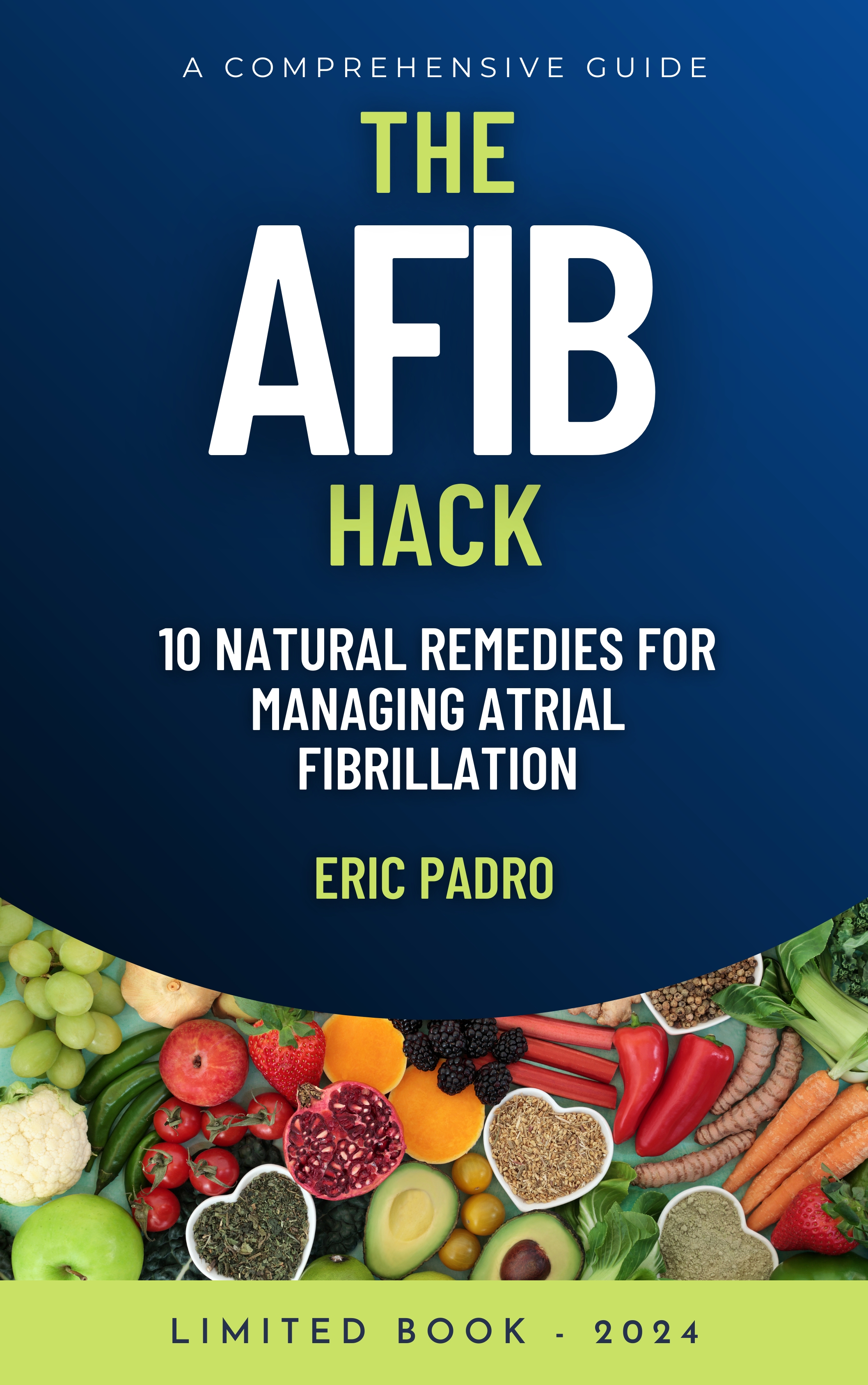
Join our community online:
https://www.youtube.com/@EricPadro/videos
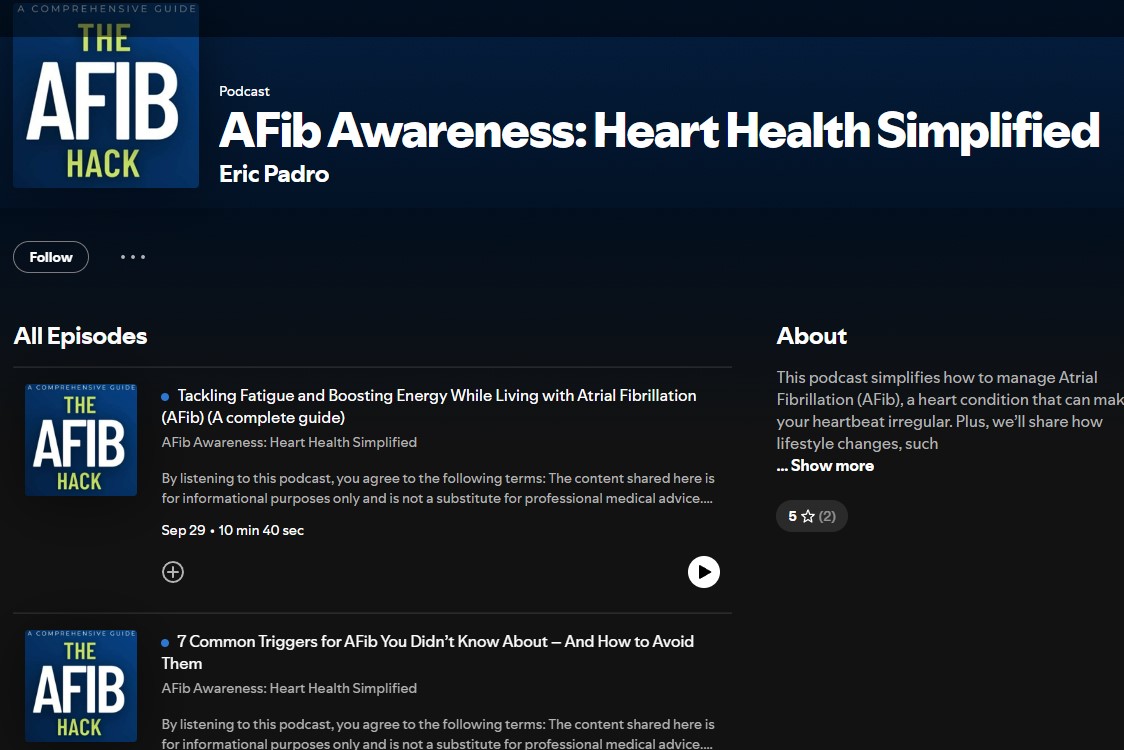
Download the fastest-growing AFIB podcast on Spotify!
About the Creator
Enjoyed the story? Support the Creator.
Subscribe for free to receive all their stories in your feed.
Comments
There are no comments for this story
Be the first to respond and start the conversation.