
How To Identify Fake Products Using Barcode: A Comprehensive Guide
How To Identify Fake Products using barcode
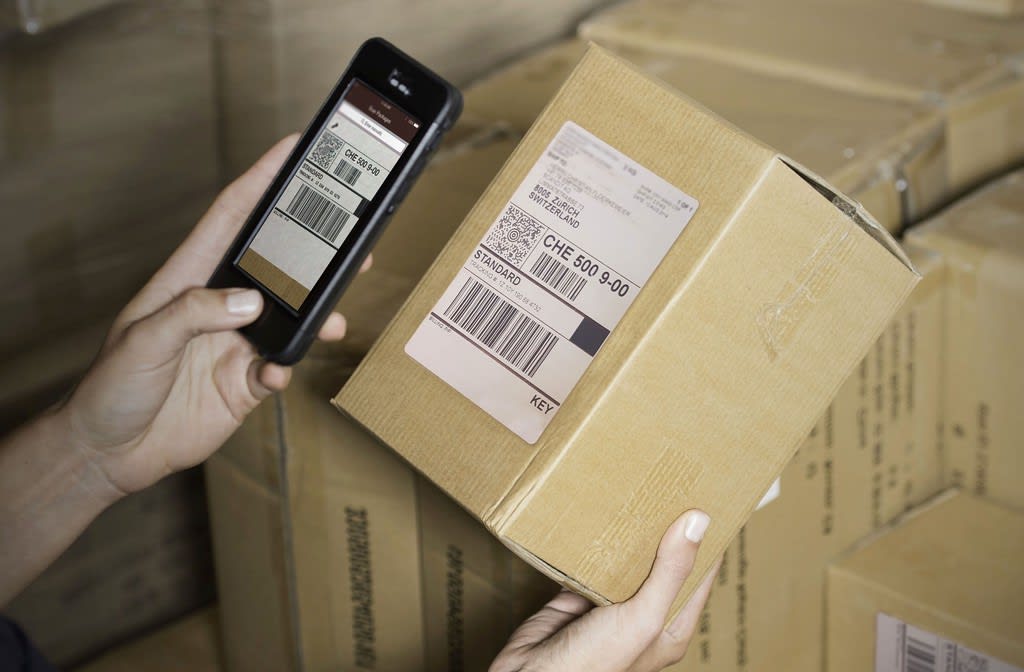
In today's world, where counterfeit products are increasingly being sold in various markets, it has become essential for consumers to learn how to spot fake items before purchasing them. One effective method for identifying fake products is through barcode scanning. Barcodes are used to uniquely identify products, and checking them can help determine whether an item is genuine or counterfeit. This blog will walk you through how to identify fake products using barcode, with a focus on understanding the technology, tools, and techniques necessary to verify product authenticity.
What Is a Barcode and Why Is It Important?
Before diving into how to identify fake products using barcode, it’s important to understand what a barcode is. A barcode is a machine-readable representation of data that is attached to most retail products. It contains information such as the manufacturer, product details, and pricing. Barcodes are unique to each product, making them a reliable tool for product identification.
For consumers, barcodes can act as a crucial line of defense against purchasing counterfeit goods. In many cases, counterfeiters either fail to replicate barcodes or use fake barcodes that don't match the product they're trying to imitate. By checking the barcode, you can quickly determine if a product is likely to be authentic or not.
How Does Barcode Work in Product Identification?
Barcodes consist of a series of lines or squares that represent numbers or letters, each corresponding to specific data about the product. The most commonly used barcode is the UPC (Universal Product Code), which is used in retail. There are also other types, such as EAN (European Article Number) and QR codes, which contain more detailed information.
When a barcode is scanned, it returns product details such as:
Product name
Manufacturer information
Country of origin
Price
If the barcode does not match the information on the product or is unrecognized by barcode scanners, the product may be fake.
How To Identify Fake Products Using Barcode
Now that you understand the basics of barcodes, let’s look at specific methods for how to identify fake products using barcode. There are several key steps to take:
1. Use Barcode Scanners or Apps
The most straightforward way to check a product’s barcode is by scanning it. There are a number of smartphone apps available that can scan barcodes and instantly provide product details. Some popular barcode scanning apps include:
ShopSavvy
ScanLife
RedLaser
These apps allow you to scan the barcode and check if the product matches the details from the database. If there is no match, it's a good sign that the product might not be authentic.
2. Verify the Manufacturer Information
Once you scan the barcode, check the manufacturer’s details. A legitimate product will have consistent and clear manufacturer information that matches what is listed on the packaging. Fake products often have mismatched or incomplete details. For example, a genuine smartphone will link to the official manufacturer’s website, whereas a counterfeit one might lead to a generic or suspicious site.
3. Cross-Check Product Databases
Many retailers and manufacturers have their own product databases. If you are unsure about the authenticity of a product, cross-check the barcode with the manufacturer’s online database. These databases store information about genuine products and can quickly tell you if the barcode matches the real product.
4. Look for Barcode Irregularities
Fake products often have poorly printed barcodes. While barcodes are supposed to be clearly visible and easy to scan, counterfeit products may feature barcodes that are distorted, blurry, or have incorrect spacing between lines. If the barcode on the product looks off or is difficult to scan, this could be an indicator that it’s a counterfeit.
5. Compare the Price with Market Standards
Although not directly related to the barcode itself, the price of the product can give you valuable insights when determining authenticity. If the product is priced much lower than similar products, it might be a fake. Counterfeit goods are often sold at significantly lower prices to entice unsuspecting buyers. A quick comparison of the barcode data with similar products can help you assess if the price is too good to be true.
6. Check for Product Certifications and Security Labels
Genuine products often come with additional security labels or certifications that counterfeit goods lack. These security features can be scanned via barcode and will often link to a validation service, verifying the authenticity of the product.
Benefits of Identifying Fake Products Using Barcode
Learning how to identify fake products using barcode offers numerous benefits:
Increased Consumer Protection: Scanning barcodes allows consumers to ensure that they are buying legitimate products, thus protecting themselves from inferior or dangerous counterfeits.
Fighting Fraud: Identifying fake products helps combat the growing issue of counterfeit goods in the market, which can harm brands and consumers alike.
Enhancing Product Transparency: Barcode scanning helps consumers make informed purchasing decisions by offering transparency regarding product details.
Common Issues When Identifying Fake Products Using Barcode
Although barcode scanning is a reliable method, it’s not foolproof. Some issues may arise when trying to identify fake products:
Damaged Barcodes: Sometimes, barcodes are damaged during shipping or handling, making it difficult to scan. This could cause a legitimate product to appear fake, even though it is authentic.
Fake Barcodes: Some counterfeiters are adept at replicating barcodes, making it challenging to spot a fake using barcodes alone.
Outdated Databases: Barcode databases aren’t always up-to-date with the latest product releases. This can cause confusion if a legitimate product is not yet listed.
Conclusion
In a world full of counterfeit goods, learning how to identify fake products using barcode can significantly improve your shopping experience. By scanning the barcode, checking manufacturer information, cross-referencing product databases, and looking for irregularities, you can easily spot counterfeit products before they reach your hands. It’s a simple yet effective strategy to ensure that you are buying genuine items and protecting yourself from fraudulent sellers.
FAQs
1. Can fake products have legitimate barcodes? Yes, counterfeiters can replicate barcodes. However, there may still be discrepancies in the product details or overall quality, which can give them away.
2. What should I do if the barcode does not match the product? If the barcode does not match the product or returns no information, it’s wise to avoid purchasing it. You may want to contact the seller or manufacturer for further verification.
3. Are there any apps for scanning barcodes? Yes, there are numerous apps like ShopSavvy, ScanLife, and RedLaser that allow you to scan barcodes and check product authenticity.
4. How reliable is barcode scanning for detecting fake products? Barcode scanning is generally reliable, but it’s not foolproof. For extra assurance, check for other authenticity markers such as product packaging, price, and certifications.
5. What is the most common sign of a counterfeit product? The most common sign of a counterfeit product is a poorly printed barcode or an unrecognized barcode that doesn’t match the product details. Additionally, counterfeit goods are often priced significantly lower than genuine products.
About the Creator
Enjoyed the story? Support the Creator.
Subscribe for free to receive all their stories in your feed.
Comments
There are no comments for this story
Be the first to respond and start the conversation.