
How to Detect a Blood Clot in Your Leg: Essential Tips and Signs to Look For
Learn how to identify a blood clot in your leg with this comprehensive guide. Discover the common signs of deep vein thrombosis (DVT), such as swelling, pain, skin discoloration, and warmth, and understand when to seek medical attention. Find out how blood clots are diagnosed, treated, and prevented to ensure better vascular health. For expert care and consultation, trust Vein & Vascular Medicine Clinic.
Introduction:
Blood clots in the legs, medically known as deep vein thrombosis (DVT), are a serious health risk if not identified and treated early. These clots form when blood thickens and clumps together, causing a blockage in the blood vessels. If left untreated, they can lead to dangerous complications, such as a pulmonary embolism, where the clot breaks free and travels to the lungs. In this guide, we'll walk you through how to detect a blood clot in your leg, key symptoms to be aware of, and steps to take if you suspect you have one. For expert care and consultation, trust Vein & Vascular Medicine Clinic, your trusted partner in vascular health.
What is a Blood Clot in the Leg?
A blood clot occurs when blood thickens and forms a mass that can block veins. Though blood clots are a natural response to injury, they can be harmful when they develop in veins, particularly in the legs. This condition, known as deep vein thrombosis (DVT), can cause severe complications if the clot breaks free and moves to other organs, such as the lungs.
How to Check for a Blood Clot in Your Leg?
Recognizing the signs of a blood clot early can help prevent serious health issues. Here are the common symptoms you should watch for:
- Swelling in One Leg:
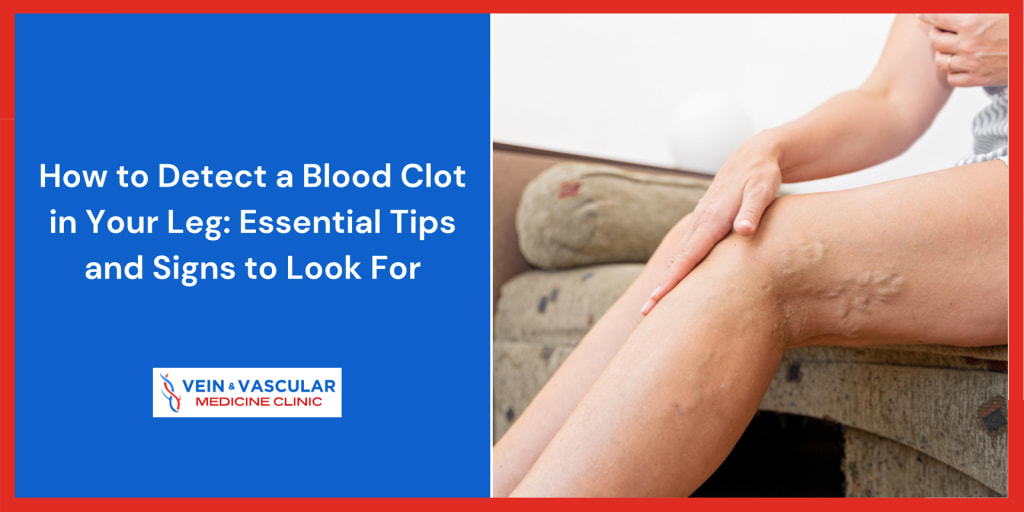
If you notice swelling in just one leg, especially around the calf or thigh, it could be an indication of a clot. The swollen area may feel tight or heavier than usual.
- Pain or Tenderness:
Pain in the affected leg is common with blood clots. The pain may begin as a mild ache but intensify over time, often resembling cramps or soreness, especially when standing or walking.
- Changes in Skin Color:
A blood clot can cause discoloration of the skin, leading to redness or a bluish tint in the affected area. This is a key symptom that requires immediate medical attention.
- Warmth in the Affected Area:
The skin over the clot may feel warm to the touch. This warmth, combined with swelling and tenderness, is a sign that you should consult with a healthcare professional.
- Cramps or Tightness in the Leg:
Unexplained cramps, particularly in the calf area, may signal a blood clot. These cramps are usually different from normal muscle cramps and may persist despite trying to relieve them.
When to Seek Medical Attention:
If you experience any of the following, it’s essential to seek medical advice immediately:
- Persistent swelling or pain in one leg
- Severe pain, particularly when walking or standing
- Difficulty breathing or chest pain (if the clot has moved to the lungs)
- Symptoms that do not improve with rest or simple home remedies
Early detection is key to preventing complications such as pulmonary embolism or stroke. Vein & Vascular Medicine Clinic is here to provide expert care and guidance for all your vascular health needs.
How is a Blood Clot Diagnosed?
To confirm the presence of a blood clot, your doctor may recommend the following diagnostic methods:
- Ultrasound: This non-invasive imaging technique is commonly used to visualize the veins and detect clots.
- D-dimer Blood Test: This test measures substances released when a clot breaks down, helping to detect the presence of a clot in your blood.
- CT or MRI Scans: In certain cases, more detailed imaging may be necessary to get a clearer picture of the clot’s location and size.
Your healthcare provider will decide on the best approach based on your symptoms and overall risk factors.
Treatment for Blood Clots in the Leg
Once diagnosed, blood clots are typically treated to prevent further complications. Common treatment options include:
- Blood Thinners (Anticoagulants):
These medications help prevent the clot from growing and stop new clots from forming. They don’t dissolve existing clots but reduce the risk of more serious health problems.
- Compression Stockings:
Compression stockings are designed to improve blood flow and reduce swelling. They are commonly recommended for people with DVT to promote better circulation in the legs.
- Surgical Intervention:
In severe cases, a procedure may be required to remove the clot. This can involve thrombectomy or the use of clot-dissolving medications.
- Lifestyle Adjustments:
Regular physical activity, leg exercises, and avoiding prolonged periods of immobility can significantly reduce the risk of developing blood clots.
How to Prevent Blood Clots in Your Legs
- Preventing blood clots is especially important for individuals at higher risk. Here are some key steps to reduce your risk:
- Stay Active: Regular physical activity promotes good circulation and reduces the risk of clots forming.
- Hydrate: Drinking plenty of water helps maintain proper blood flow and prevents thickening.
- Wear Compression Stockings: Compression stockings may be recommended by your doctor to help with circulation, especially if you have a higher risk of DVT.
- Elevate Your Legs: Elevating your legs periodically can help improve circulation, particularly if you spend long periods sitting or standing.
Conclusion:
Identifying the signs of a blood clot early is crucial to avoiding severe complications. If you suspect you may have a clot, don’t delay seeking medical attention. Vein & Vascular Medicine Clinic offers comprehensive care to diagnose and treat blood clots. Early intervention can make a significant difference in your health and recovery.
Call to Action:
Concerned about blood clots? Contact Vein & Vascular Medicine Clinic today for expert consultation and treatment. Schedule an appointment with our experienced team and take the first step toward improving your vascular health.
About the Creator
Vein & Vascular Medicine Clinic
At Vein & Vascular Medicine Clinic in East Brunswick, NJ, we specialize in advanced treatments for varicose veins, chronic venous insufficiency, and peripheral artery disease.
Enjoyed the story? Support the Creator.
Subscribe for free to receive all their stories in your feed.
Comments
There are no comments for this story
Be the first to respond and start the conversation.