
How to Cope with Side Effects of AFib Medications Effectively
(Easy To Follow Guide)

How to Cope with Side Effects of AFib Medications Effectively
Medications are essential for controlling cardiac rhythm and lowering stroke risk when treating atrial fibrillation (AFib). However, AFib medicines can have their own set of adverse effects, ranging from fatigue and dizziness to more serious issues including liver toxicity, just like many other treatments. So how can you properly handle these difficulties without compromising the therapeutic benefits?
Know What to Expect
First and foremost, understanding the possible side effects of your medications can help reduce anxiety and prepare you for what might come. Some of the most common side effects of AFib medications include:
Fatigue: Feeling tired, especially after taking beta-blockers or calcium channel blockers.
Dizziness: A potential side effect of anti-arrhythmic drugs, especially if blood pressure drops too low.
Digestive Issues: Nausea, constipation, or diarrhea can occur with some medications.
Liver or Lung Concerns: While less common, certain medications, like amiodarone, may affect liver or lung function.
Did you know that medications like blood thinners, although crucial for reducing stroke risk, may increase your chances of bleeding? This is just one example of the balancing act many AFib patients face. But the good news is that there are ways to mitigate these side effects.
Communicate with Your Healthcare Team
It may seem obvious, but maintaining regular communication with your healthcare team is one of the best strategies to control the negative effects of medicine. No matter how slight the consequences, report any changes in your emotional state. This can assist your physician in modifying your treatment regimen before a side effect gets worse. Catheter ablation is one alternate therapy option if a specific medicine is generating bothersome symptoms.
This is a comforting idea: Many side effects lessen with time as your body responds to the medicine. But don't hesitate to ask for help!
Lifestyle Changes Make a Difference
Never undervalue the impact that modifying one's lifestyle can have on controlling the symptoms of AFib and lowering the adverse effects of medicines. Frequent physical activity can help prevent weariness and enhance general heart health. Examples of this activity include walking and gentle aerobics. Conversely, exercise caution when overdoing it; it all comes down to striking a balance.
In addition to easing digestive problems that occasionally accompany AFib medication, a heart-healthy diet high in fruits, vegetables, and whole grains is also beneficial. Cutting back on alcohol and caffeine can help you even more, particularly if you find that they exacerbate symptoms like palpitations or dizziness.
And let’s not forget about stress. High-stress levels can worsen both AFib symptoms and medication side effects. Engaging in stress-reducing activities like yoga, meditation, or even just deep breathing exercises can work wonders.
>>Download my FREE PDF on the 10 Foods to Avoid if you have AFIB!<<
Talk to Your Doctor About Alternatives
If certain medications are causing more trouble than they’re worth, ask your doctor about alternative treatments. Advances in AFib treatments in 2024, such as catheter ablation, offer solutions that may reduce your reliance on medication. There are also newer anti-arrhythmic drugs being tested that could be safer for long-term use without the severe side effects of traditional options like liver or lung damage.
Be Aware of Interactions
It's critical to keep in mind that over-the-counter vitamins or other prescriptions may conflict with therapy for atrial fibrillation. For example, painkillers and blood thinners may raise your risk of bleeding, so always consult your doctor before starting a new pharmaceutical regimen. Similarly, herbal supplements that seem safe may interact negatively with your prescription medications.
When to Seek Help Immediately
While many side effects are manageable, some require urgent attention. Call your doctor or seek emergency care if you experience symptoms like:
Severe shortness of breath or chest pain
Yellowing of the skin or eyes (a sign of liver trouble)
Coughing up blood or signs of excessive bleeding
Any severe allergic reaction (swelling, difficulty breathing, or rash)
>>Download my FREE PDF on the 10 Foods to Avoid if you have AFIB!<<
Small Adjustments, Big Results
Dealing with side effects can feel overwhelming, but it’s important to remember that small changes can make a big difference. Whether it’s tweaking your diet, exercising regularly, or simply getting better at communicating with your healthcare team, these steps can ease your experience and help you thrive while managing AFib.
One last thing—don’t forget to be patient with yourself. Adjusting to new medications and coping with side effects takes time, but the end goal is to protect your heart and live a healthy, active life.
So, what changes can you make today to start feeling better tomorrow?
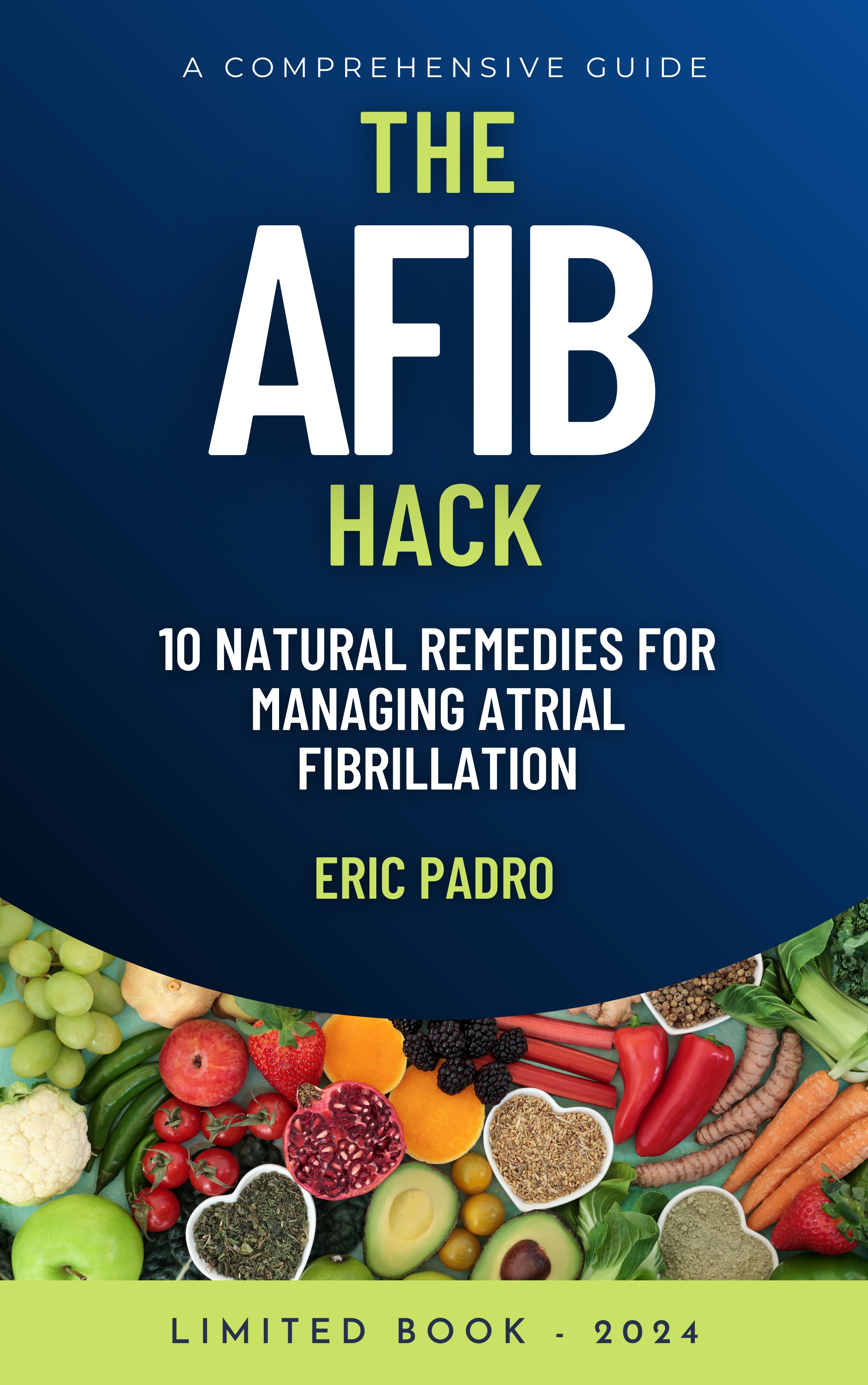
Now available on Amazon
Join our community online:
https://www.youtube.com/@EricPadro/videos
Download our Spotify Podcast:
https://open.spotify.com/show/0WVBHhwi01mw9WpUPT1SnV
About the Creator
Enjoyed the story? Support the Creator.
Subscribe for free to receive all their stories in your feed.
Comments
There are no comments for this story
Be the first to respond and start the conversation.