
How to Choose the Right Type of Sanitary Pads
Types of sanitary pads
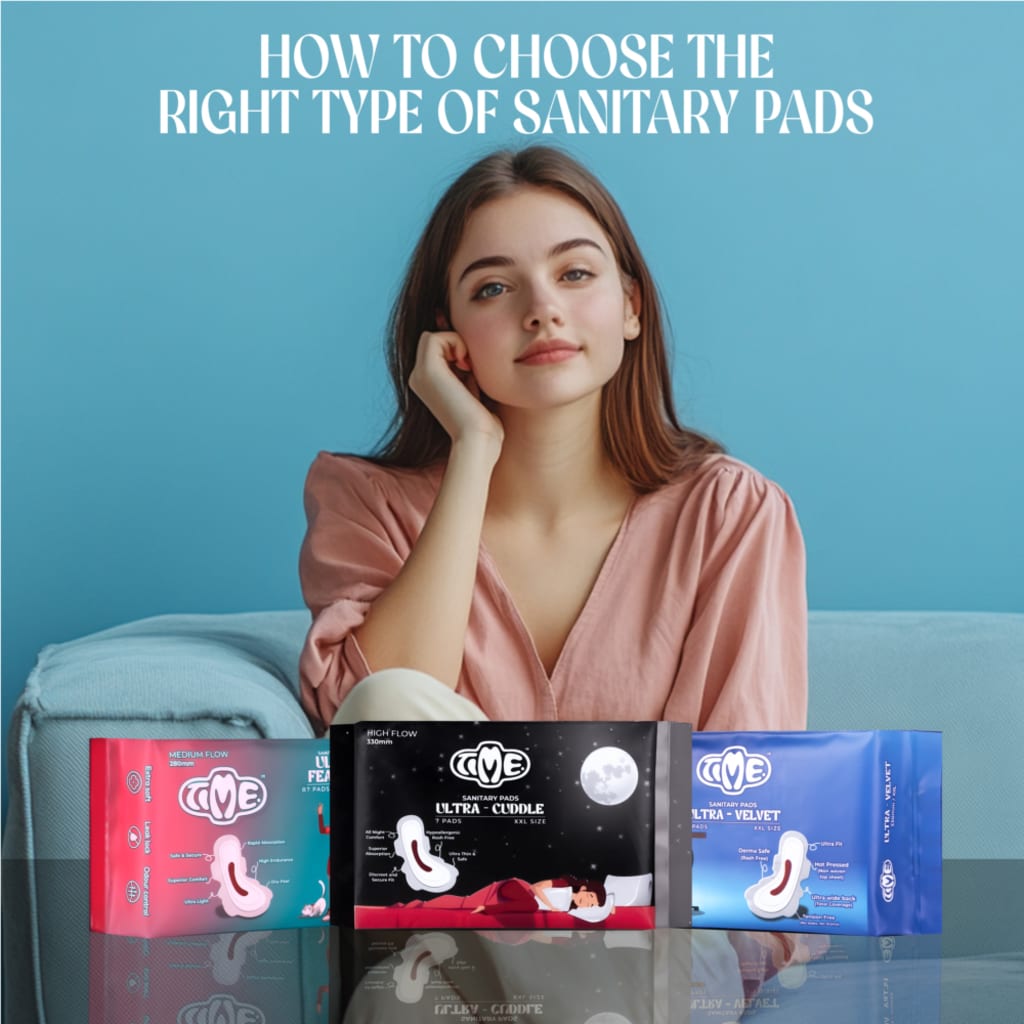
Choosing the right sanitary pad is an essential aspect of menstrual hygiene. With countless options available, finding the one that fits your needs can seem overwhelming. The right pad provides comfort, protection, and confidence, ensuring you stay worry-free throughout your period. Here’s a comprehensive guide to help you choose the best sanitary pad for your unique requirements.
1. Understand Your Flow
Your menstrual flow varies throughout your cycle, and understanding its pattern is the first step in selecting the right pad.
Light Flow: Opt for thin or pantyliners designed for minimal absorbency.
Moderate Flow: Regular pads with medium absorbency work well for most people.
Heavy Flow: Look for pads labeled as "super" or "ultra-absorbent" for heavy flow days or overnight use.
2. Decide Between Day and Night Use
Day and night pads are designed differently to suit specific needs:
Day Pads: These are usually shorter and thinner, ideal for comfort and mobility.
Night Pads: Longer with higher absorbency, night pads prevent leaks while you sleep.
3. Consider Material Preferences
Material choice plays a crucial role in your comfort and skin health:
Cotton Pads: Soft and breathable, ideal for sensitive skin.
Synthetic Pads: Lightweight and slim, suitable for those who prefer discreet options.
Organic Sanitary Pads: Free from chemicals, dyes, and fragrances, these are eco-friendly and gentle on the skin.
4. Evaluate Size and Shape
Sanitary pads come in various sizes and shapes to cater to individual preferences:
Regular: Standard size for moderate flow.
Large or Extra-Large: Provides additional coverage for heavy flow or overnight use.
Winged Pads: Wings help secure the pad in place, preventing shifting and leaks.
Choose a size and shape that matches your body type and activity level.
5. Opt for Additional Features
Modern sanitary pads come with additional features for enhanced comfort and convenience:
Leak Guards: Prevent leaks along the edges.
Odor Control: Neutralizes menstrual odors.
Ultra-Thin Design: Offers discreet protection while maintaining high absorbency.
6. Factor in Sustainability
If you’re eco-conscious, consider reusable pads or biodegradable options:
Reusable Pads: Washable and durable, these reduce waste and are cost-effective over time.
Biodegradable Pads: Made from natural materials that decompose quickly, minimizing environmental impact.
7. Trial and Feedback
Everyone’s needs are unique, so experimenting with different brands and types can help you find the perfect match. Pay attention to:
Comfort: Does the pad feel right?
Protection: Is it reliable against leaks?
Skin Reaction: Does it cause irritation or discomfort?
Tips for Maintaining Hygiene
Maintaining proper hygiene during your period is essential to avoid infections, irritation, and discomfort. Regardless of the type of sanitary pad you use, following these hygiene tips ensures a healthy and stress-free menstrual experience:
1. Change Pads Regularly
It’s important to change your pad every 4-6 hours, even on light flow days. This practice helps prevent bacterial growth, which can cause unpleasant odors and increase the risk of infections like rashes or UTIs. On heavy flow days, you might need to change your pad more frequently to ensure optimal comfort and cleanliness.
2. Carry Extras
Always keep extra pads in your bag to handle unexpected situations. Whether you’re at work, school, or traveling, having a backup ensures you're prepared for sudden flow changes or emergencies. You can also carry a small pouch or kit with pads, tissues, and sanitizers for added convenience and hygiene.
3. Practice Proper Disposal
Dispose of used pads responsibly by wrapping them in paper or disposal bags to contain odors and prevent the spread of bacteria. Avoid flushing pads down the toilet as it can clog the plumbing and harm the environment. Instead, use bins designated for sanitary products or general waste bins to ensure eco-friendly disposal.
4. Wash Your Hands Before and After
Always wash your hands thoroughly before changing a pad to avoid transferring bacteria. After changing, clean your hands again to remove any germs you might have come in contact with. Using a hand sanitizer can be helpful if you're in a place without access to soap and water.
5. Keep the Vaginal Area Clean
During your period, it’s vital to clean your intimate area gently with water or a mild, unscented soap. Avoid using harsh soaps, scented wipes, or douches as they can disrupt the natural pH balance and lead to irritation or infections. Pat the area dry before putting on a fresh pad.
Conclusion
Choosing the right sanitary pads can significantly impact your period experience. Consider factors like flow, material, size, and sustainability to find a pad that meets your needs and preferences. Time Pads offers a diverse range of high-quality sanitary pads designed to empower women with comfort, protection, and confidence. Explore the collection today and transform your period care routine!
About the Creator
Time Sanitary Pads
Discover ultimate period comfort with Time Sanitary Pads. Engineered for great protection and skin-friendly materials, ensuring worry-free, comfortable periods.
Enjoyed the story? Support the Creator.
Subscribe for free to receive all their stories in your feed.
Comments
There are no comments for this story
Be the first to respond and start the conversation.