
How to Build a Successful Food Delivery App in Canada
How to Build a Successful Food Delivery App in Canada

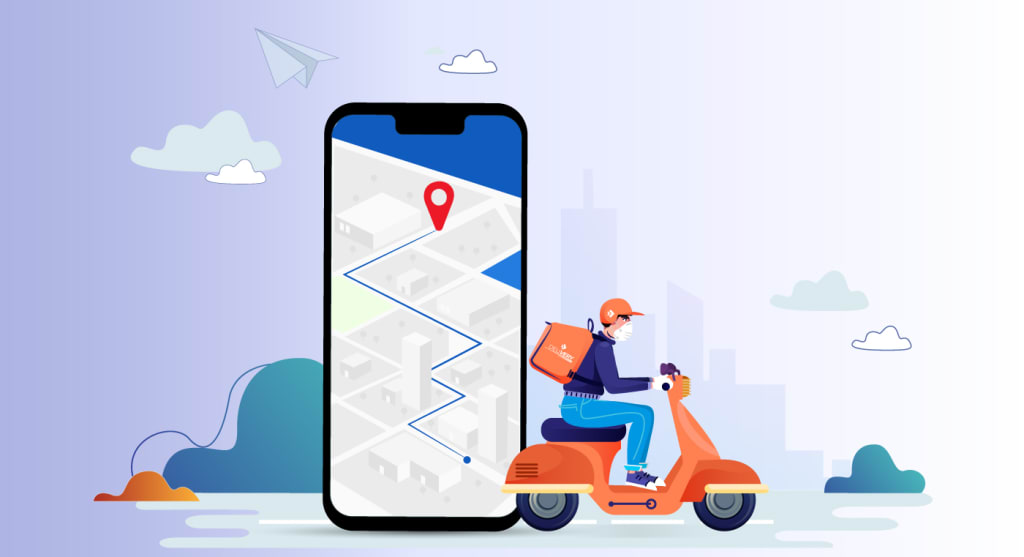
Food delivery apps are booming, and the Canadian market is no exception. With the rise of convenience-oriented lifestyles, more Canadians are opting to have their meals delivered rather than cooking at home or dining out. If you're looking to build a successful food delivery app in Canada, you're stepping into a promising and growing market. However, it's essential to understand the dynamics and nuances of this industry to create an app that stands out. In this article, we'll walk you through the key steps to develop a successful food delivery app development tailored to the Canadian market.
1. Introduction
The Rising Demand for Food Delivery Apps in Canada
In recent years, food delivery services have become an essential part of daily life for many Canadians. With busy schedules, the convenience of ordering food through an app has become increasingly attractive. In fact, data shows that food delivery app usage in Canada has seen a significant surge, particularly post-pandemic. Whether it's a quick lunch, a special dinner, or late-night cravings, people are relying on food delivery apps more than ever.
Why Now is the Best Time to Build a Food Delivery App
If you’ve been considering creating a food delivery app, now is an ideal time. With the growing trend of online ordering, the demand for seamless delivery experiences is greater than ever. Canada's diverse population, with a wide range of food preferences, provides an exciting opportunity for a food delivery service that can cater to different tastes and dietary needs.
2. Understanding the Food Delivery Market in Canada
Current Trends in the Canadian Food Delivery Industry
The Canadian food delivery industry is experiencing rapid growth. People are looking for convenience, variety, and speed when it comes to food delivery. With that in mind, key trends include:
Sustainability: More customers are looking for eco-friendly packaging and delivery methods.
Health-Conscious Choices: There’s a growing demand for apps that offer healthier food options or cater to specific dietary needs like vegan, gluten-free, or keto.
Contactless Delivery: With hygiene being a concern, contactless delivery has gained popularity.
Popular Food Delivery Services in Canada
Some of the major players in the Canadian food delivery market include Uber Eats, SkipTheDishes, and DoorDash. While these services dominate the market, there’s still ample space for new players, especially those who can bring something unique to the table. Whether it’s offering specialized cuisines, better user experiences, or more personalized services, there’s room for growth.
3. Key Features of a Successful Food Delivery App
A successful food delivery app isn't just about delivering food to the user. It’s about delivering an exceptional user experience. Here are some key features to include in your app:
User-Friendly Interface
Make sure your app is easy to navigate. From browsing menus to placing orders, users should be able to interact with the app effortlessly. Clean design and clear categories help users find what they're looking for quickly.
Real-Time Tracking System
Real-time tracking lets users track their food delivery as it happens. This feature provides transparency and reassurance, ensuring that customers know exactly when their meal will arrive.
Secure Payment Gateway
Ensure your app includes a secure and convenient payment gateway. Offering multiple payment options (credit card, PayPal, mobile wallets) increases user convenience.
Reviews and Ratings System
Allow users to leave reviews and rate their experience with both the app and the food. This feedback helps improve service and builds trust among users.
4. Steps to Build a Food Delivery App in Canada
Step 1: Market Research and Target Audience
Before diving into development, it’s crucial to understand your target market. Research the preferences, behaviors, and pain points of potential users. Who are your competitors, and what can you offer that sets you apart?
Step 2: Defining Your Business Model
The business model for your app will determine how you make money. Are you going to charge restaurants a commission? Will you have a delivery fee or offer a subscription-based model? Clearly define your business structure.
Step 3: Choosing the Right Platform and Technology Stack
The platform you choose will depend on your target audience. Do you want to build an iOS, Android, or cross-platform app? Also, choose the right technology stack for your app development—this includes programming languages, frameworks, and tools.
Step 4: Design and User Experience (UX/UI)
Designing an intuitive and visually appealing app is key. Focus on the user experience—ensure it’s seamless and quick to use, with smooth navigation and easy-to-read menus.
Step 5: App Development (Frontend and Backend)
The frontend handles the part that users interact with, while the backend takes care of the servers, databases, and logic behind the scenes. Invest in robust and scalable backend technology to handle the traffic and data flow.
Step 6: Testing the App
Testing is a critical step. Beta test your app with real users to identify bugs, glitches, and any usability issues. Use the feedback to fine-tune the app before its official launch.
5. Integration with Local Restaurants and Delivery Partners
Building Strong Partnerships with Local Restaurants
The success of your app depends on the quality and variety of food options available. Build strong partnerships with local restaurants and ensure a diverse range of cuisines and meal options.
How to Manage and Onboard Delivery Drivers
Onboarding delivery drivers is another essential part of the process. Make sure they are trained, insured, and equipped with the necessary tools to deliver efficiently.
6. Legal Requirements and Compliance in Canada
Understanding the Legal Landscape
You must comply with local laws and regulations. This includes understanding business registration, insurance requirements, and employment laws for delivery drivers.
Licensing and Business Registration in Canada
Register your business with the relevant Canadian authorities and ensure you have the proper licenses to operate a food delivery service.
Health and Safety Regulations
Ensure your app and business model comply with health and safety standards, especially when it comes to food handling and delivery.
7. Monetization Strategies for Your Food Delivery App
You can generate revenue from your app through several models:
Subscription-Based Model
Offer premium subscriptions to customers for benefits like free delivery or discounts.
Commission-Based Model
Take a percentage of each order placed through the app.
Delivery Fee Model
Charge users a flat delivery fee based on distance or the time of day.
8. Marketing Your Food Delivery App
Social Media and Influencer Marketing
Leverage social media platforms to promote your app. Influencer marketing can also help you reach a broader audience.
Paid Ads and Google AdWords
Invest in paid advertising to boost visibility and attract new users. Use Google AdWords to target specific demographics.
Local Partnerships and Promotions
Collaborate with local businesses and restaurants to run joint promotions or offer special discounts.
9. Challenges You Might Face When Building a Food Delivery App
Competition in the Market
With major players like Uber Eats and DoorDash, competing in the food delivery market can be tough. Find ways to differentiate your app and add value to users.
Technical and Operational Challenges
Building a scalable, efficient, and bug-free app can be technically challenging. You’ll need a skilled development team to overcome these hurdles.
Customer Retention and Satisfaction
Keeping customers happy is crucial. Offer excellent customer service, rewards, and continuous improvements to ensure long-term success.
10. Tips for Scaling Your Food Delivery App
Expanding to Other Cities in Canada
Once your app is successful in one city, consider expanding to other regions. Ensure you’ve built a scalable infrastructure to handle more users.
Introducing New Features and Services
Continuously innovate by adding new features, such as loyalty programs or meal prep options, to keep users engaged.
Continuous Feedback Loop
Listen to your users and make adjustments based on their feedback. This is key to improving the app and retaining customers.
11. Conclusion
Building a successful food delivery mobile app development in Canada requires careful planning, market research, and a solid business model. By focusing on user experience, integrating local partnerships, and complying with legal requirements, you can carve out a niche in this thriving market. Always be prepared to face challenges and adapt to changes to ensure your app's success.
About the Creator
Mobile App Development Company in Canada
Devherds Software Solutions is a leading mobile app development company in Canada. We specialize in creating innovative, user-friendly mobile applications. Visit our website at: https://devherds.com/mobile-app-development-company-canada
Enjoyed the story? Support the Creator.
Subscribe for free to receive all their stories in your feed.
Comments
There are no comments for this story
Be the first to respond and start the conversation.