
How Restorative Dentistry Brings Function Back to Your Bite
Rebuilding Confidence and Comfort with Every Tooth Restored
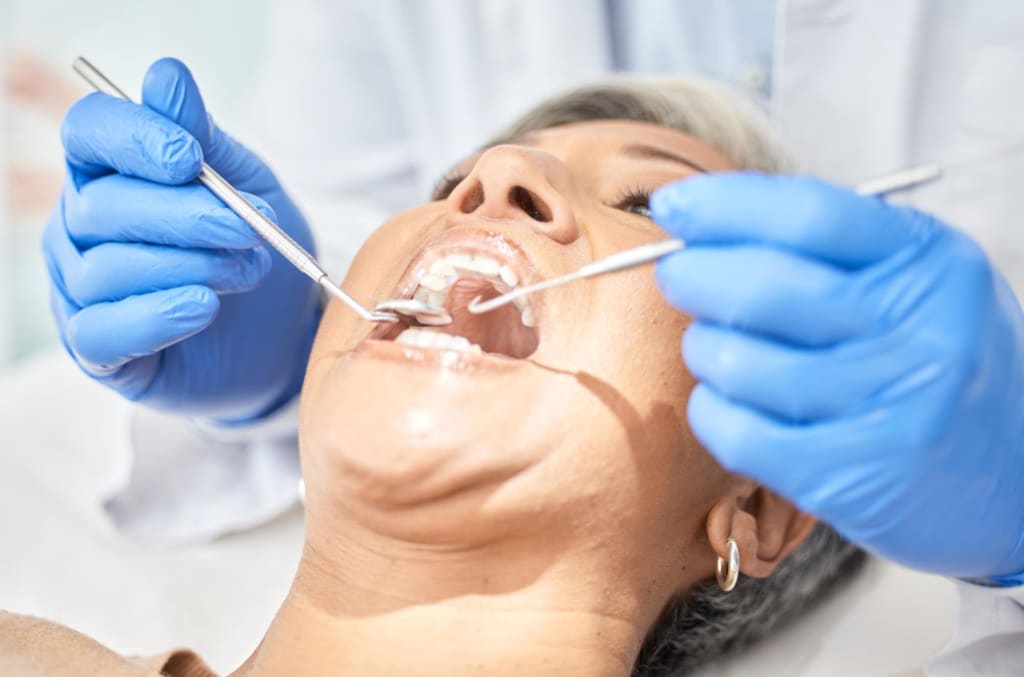
Eating, speaking, and smiling should all feel effortless. However, these daily functions can become challenging when teeth are missing, damaged, or decayed.
That’s where restorative dentistry comes in. More than just cosmetic repair, restorative dentistry focuses on rebuilding the function and strength of your teeth so you can live, speak, and chew comfortably.
What Is Restorative Dentistry?
Restorative dentistry is diagnosing and treating oral health issues that entail restoring the mouth to full functionality and aesthetics. Whether replacing a missing tooth, repairing a chipped molar, or treating decay, the goal is to restore your bite and improve oral health.
Some of the most common restorative procedures include:
- Fillings for cavities
- Crowns to cap damaged or weak teeth
- Bridges to replace missing teeth
- Dental implants for permanent tooth replacement
- Dentures (full or partial)
Why Function Matters as Much as Appearance
While it’s true that restorative procedures often improve the look of your smile, their primary goal is functional. Think of it like fixing a broken part of a machine.
If even one gear (or tooth) isn’t working correctly, the entire system (your bite) can be affected. A misaligned or incomplete bite can lead to a range of issues, including:
- Difficulty chewing certain foods
- Speech problems
- Jaw pain or discomfort
- Excessive wear on surrounding teeth
- Shifting teeth
- Headaches and TMJ disorders
By restoring your teeth, you improve not just aesthetics but also rebuild a solid foundation for long-term comfort and function.
Restorative Dentistry Options That Fit Your Needs
Restorative dentistry is never a one-size-fits-all solution. Based on your needs, your dentist will prescribe some treatments that suit your case.
Fillings and Bonding
When decay is caught early, a simple filling can stop it from spreading. Tooth-coloured composite resin fills cavities, restores shape, and prevents further damage. Bonding may be used to reshape the tooth for minor chips or cracks.
Crowns
A crown is a protective cover over a broken tooth. It reinforces weak or cracked teeth and restores their original shape and function. Crowns can be suggested as a follow-up to root canal therapy or to replace large fillings.
Bridges
If a number of teeth are missing, a dental bridge can repair the gap. Bridges are fixed to neighbouring teeth or implants, stopping teeth from drifting and protecting your natural bite pattern.
Dental Implants
The ideal tooth replacement is by implants. This involves the surgical insertion of a titanium post into the jawbone and a custom-made crown placed on top of the post. The implants act and feel just like natural teeth and prevent bone loss.
Dentures
Compared to earlier times, modern dentures are much more comfortable and natural-looking. Whether full or partial, they restore multiple missing teeth, making speaking and eating easier.
A Restored Bite Means a Better Quality of Life
One of the most overlooked benefits of restorative dentistry is improving your daily quality of life. Patients often report increased confidence when eating out, laughing freely, or taking photos.
Beyond aesthetics, functional freedom comes with having a healthy, dependable bite. You’ll be able to:
- Enjoy a wider variety of foods
- Speak clearly without slurring or lisps
- Reduce discomfort when biting and chewing
- Prevent additional oral health issues down the road
Preventing the Need for Major Restorative Work
While restorative dentistry can correct many problems, prevention is still key. The best you can do to fight decay and damage is to maintain good oral hygiene and visit your dentist regularly.
With early detection, it can be the difference between a basic filling and a more involved process, such as a crown or an implant. Here’s how you can maintain your oral health:
- Brush twice a day and floss daily
- Hard or sticky food that may crack teeth should be avoided
- Make sure to visit your dentist frequently to have check-ups and cleaning.
- Wear a mouthguard during sports
- Address teeth grinding (bruxism) if you have it
Final Thoughts
Your teeth are essential tools for eating, speaking, and expressing yourself. If dental damage has limited your ability to enjoy life, restorative dentistry offers a reliable path forward.
Whether you need a small filling or a full-mouth reconstruction, the goal remains the same: restoring function, improving comfort, and supporting long-term oral health.
If you're considering or looking for compassionate, skilled care in restorative dentistry in Bondi, our team is ready to help you reclaim your bite. Book a consultation today and take the first step toward a healthier, more confident smile.
About the Creator
Bondi Dental
Bondi Dental opens 7 days a week, providing general and preventive care, cosmetic dentistry, and restorative dentistry. Call (02) 9365 7187 or visit us at 136 Curlewis St, Bondi Beach NSW 2026.
Enjoyed the story? Support the Creator.
Subscribe for free to receive all their stories in your feed.
Comments
There are no comments for this story
Be the first to respond and start the conversation.